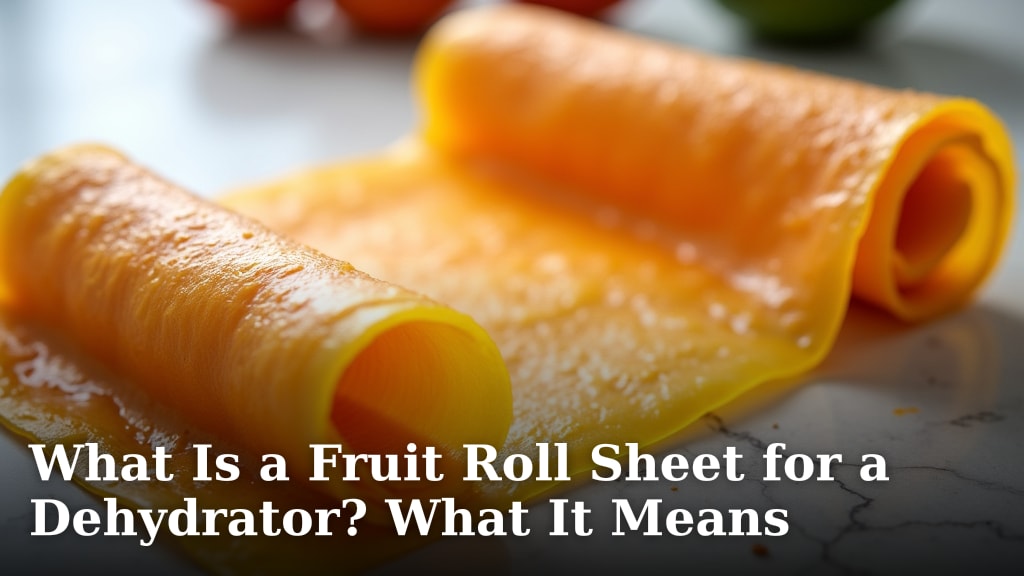
What Is a Fruit Roll Sheet for a Dehydrator? What It Means
A fruit roll sheet for a dehydrator is a non-stick liner designed to catch drips and prevent sticky fruit leathers from adhering to the dehydrator tray. It’s essentially a flexible, food-safe mat that creates a smooth surface for your homemade fruit snacks. You’ll often find them made from silicone or BPA-free plastic. These sheets make cleanup much easier and help ensure your fruit leathers peel off cleanly.
Using a fruit roll sheet means you can spread fruit purees thinly and evenly. This helps them dehydrate more uniformly. It’s a simple tool that improves the dehydrating process for sticky, wet foods like fruit purees and jerky marinades. Many dehydrator models come with them, but you can also buy them separately to fit various tray sizes. They are a must-have accessory for anyone serious about making fruit leathers or similar items.
- Fruit roll sheets are non-stick liners for dehydrator trays.
- They prevent sticky foods like fruit leathers from sticking.
- They also catch drips and make cleanup much easier.
- Often made of silicone or BPA-free plastic.
- They help your fruit leathers peel off cleanly.
Now, let’s dive a bit deeper into what makes these sheets so handy and what you should know before using one.
Understanding Your Dehydrator’s Fruit Roll Sheet
So, what exactly is this fruit roll sheet we keep mentioning? It’s a simple yet clever accessory for your food dehydrator. Think of it as a specialized baking mat, but designed for the low-and-slow world of dehydration. Its main job is to provide a smooth, non-stick surface for foods that would otherwise cling stubbornly to your dehydrator trays. This is especially true for anything wet or sticky.
Essentially, it’s a flexible mat that you place directly onto your dehydrator’s mesh or slatted tray. It creates a solid base. This solid base is essential for liquids and purees. Without it, they’d just drip through the holes or bake on stubbornly. The sheet acts as a barrier, catching drips and holding your food in place. It makes handling and removing your dehydrated creations much easier.
What’s It Made Of?
You’ll typically find fruit roll sheets made from two main materials: silicone or a food-grade plastic. Both have their benefits. Silicone sheets are very popular because they are extremely flexible and durable. They can withstand a wide range of temperatures, which is perfect for dehydrators. They also tend to be very easy to clean. Many people find them to be the best option for regular use.
Plastic sheets, often marketed as BPA-free, are another common choice. They offer a similar non-stick surface. Some people prefer them because they can be a bit stiffer, which might make them easier to handle when transferring from the dehydrator. Regardless of the material, the key feature is that it’s food-safe and designed to be non-stick. This ensures your food doesn’t pick up any unwanted flavors or chemicals.
Why You Need a Fruit Roll Sheet
Let’s get straight to the point: why is this accessory so important? Its primary function is to prevent sticking. If you’ve ever tried to make fruit leather, you know how frustrating it can be when the sticky, sweet mixture hardens directly onto the tray. It can be a real battle to peel it off. Sometimes, pieces get left behind, making a mess.
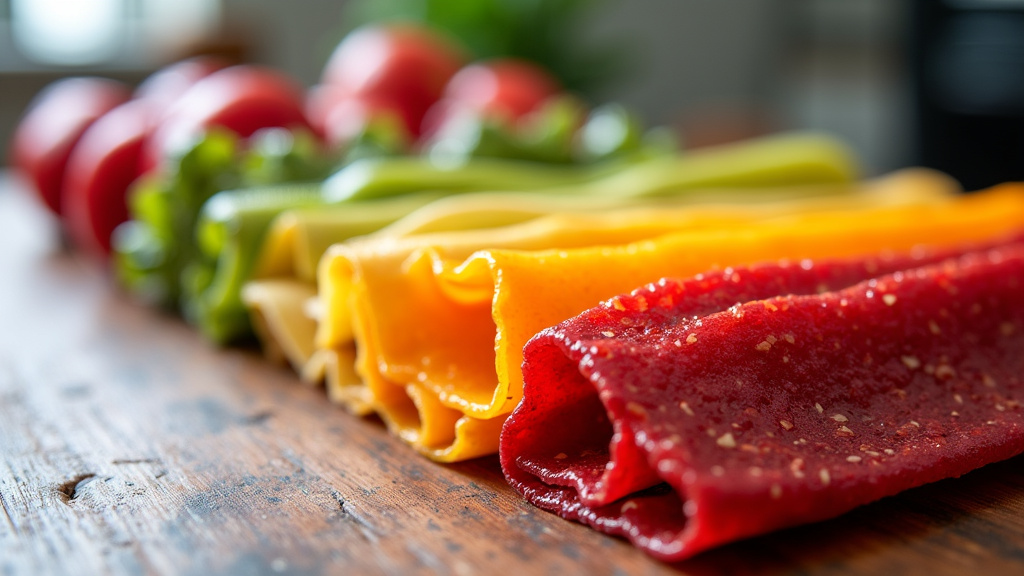
A fruit roll sheet provides a perfectly smooth surface. This means your fruit leather, or any other sticky food, can be spread thinly and evenly. When it’s time to remove your finished product, it should peel away in one large piece. This makes the whole process much more enjoyable and successful. You get a cleaner, more professional-looking result every time.
Making Cleanup a Breeze
Beyond preventing sticking, the cleanup benefit is huge. Imagine finishing a batch of delicious fruit leather. Instead of spending ages scrubbing dried-on fruit bits off your dehydrator trays, you simply remove the fruit roll sheet. Most silicone sheets can be wiped clean with soap and water. Some are even dishwasher safe. This saves you a considerable amount of time and effort.
Think of it like this: would you bake cookies directly on a metal baking sheet? Probably not; you’d use parchment paper or a silicone baking mat. A fruit roll sheet serves a similar purpose for your dehydrator. It protects your equipment and makes the post-dehydration cleanup incredibly simple. This ease of cleaning is often cited as the number one reason users love these sheets.
Enhancing Dehydration Quality
Using a fruit roll sheet can actually improve the quality of your dehydrated foods. When you spread fruit puree on a mesh tray, some of it might seep through. This means you end up with thinner spots and uneven drying. A solid sheet prevents this. It allows you to create a uniform layer of fruit puree across the entire surface of the sheet.
This even thickness is key for consistent dehydration. Food dries more uniformly when it’s the same depth everywhere. This means you won’t have parts that are leathery and parts that are still a bit moist. Many food safety guidelines recommend thorough drying to prevent spoilage (CDC). A fruit roll sheet helps you achieve that ideal, consistent dryness. This is true for fruit leathers, vegetable purees, and even things like raw food crackers.
What Foods Can You Make on a Fruit Roll Sheet?
While they’re called “fruit roll sheets,” their use extends beyond just fruit leather. Any food that is wet, sticky, or prone to dripping can benefit from being dehydrated on one of these mats. Think of making your own yogurt melts for babies. The yogurt needs a solid surface to dry without falling through the mesh.
Another popular item is raw food crackers. These are often made from blended seeds, vegetables, and sometimes fruits. The mixture is spread very thinly, and a fruit roll sheet is perfect for this. It prevents the delicate crackers from breaking as they dry and makes them easy to remove without sticking. You can also use them for things like dried sauces or marinades for jerky, catching any oily drips.
Jerky and Marinades
While not their primary advertised purpose, fruit roll sheets can be surprisingly useful when making jerky. When you marinate meat for jerky, there’s often excess marinade. Placing marinated strips on a mesh tray can lead to marinade dripping onto lower trays. A fruit roll sheet on the bottom tray can catch these drips, keeping your dehydrator cleaner.
For very delicate or finely minced meat mixtures used in jerky, a fruit roll sheet can also provide a smoother surface. It helps prevent the mixture from sticking excessively. However, for traditional jerky strips, you still need air circulation. So, you wouldn’t typically place the meat directly on the sheet itself unless you’re making something more like a jerky paste. They are best for catching drips from above or for pureed items. It’s important to know what foods should not be dehydrated, especially high-sugar foods that can cause issues.
Other Creative Uses
We’ve found that people get quite creative with their dehydrator accessories. Some users employ fruit roll sheets for drying herbs. While herbs don’t usually stick, the sheet can make them easier to collect once dried. Others use them to dry flowers for crafts or potpourri, ensuring the petals don’t fall through the tray.
If you’re experimenting with making your own pet treats, especially those with wet ingredients, a fruit roll sheet can be a lifesaver. It provides a clean, non-stick surface for drying. Remember, the key is any food that is too wet or sticky for a mesh tray. Always ensure the sheet is food-safe and properly cleaned between uses, especially if you’re switching between different types of food.
Choosing and Using Your Fruit Roll Sheet
When selecting a fruit roll sheet, consider the size of your dehydrator trays. Many sheets are sold in standard sizes, but you can also find larger ones that you can cut down to fit. Look for sheets that are explicitly labeled as food-grade and BPA-free. Silicone is a popular choice due to its flexibility and longevity.
Before using, make sure your sheet is clean. If it’s new, give it a good wash. When spreading your fruit puree, aim for an even layer. A good rule of thumb is about 1/4 inch thick, but this can vary depending on the fruit and your desired texture. You want it thin enough to dry properly, but not so thin that it becomes brittle.
Caring for Your Fruit Roll Sheets
Proper care will ensure your fruit roll sheets last a long time. After each use, let them cool slightly. Then, wash them with warm, soapy water. For stubborn residue, a soft sponge or cloth usually works well. Avoid abrasive scrubbers, as these can scratch the surface and potentially damage the non-stick properties.
Many silicone sheets are also dishwasher safe, which can be a great convenience. Just place them on the top rack. Ensure they are completely dry before storing them. We recommend storing them flat or rolled loosely to prevent creasing. If you cut a larger sheet to fit your trays, keep the original packaging or a safe spot for it to avoid damage.
Key Considerations for Your Dehydrator Setup
When you’re setting up your dehydrator with a fruit roll sheet, there are a few things to keep in mind. Make sure the sheet is lying flat on the tray. Any wrinkles or folds could lead to uneven drying or thin spots in your fruit leather.
Also, consider the airflow. While the sheet provides a solid surface, it doesn’t completely block airflow. Most dehydrator trays are designed to allow air to circulate from the bottom up. The sheet typically has small holes or is made of a material that still permits some air movement. If your sheet is completely solid, you might need to adjust your drying times slightly, as airflow can be reduced.
Is it Really Necessary?
So, do you absolutely need one? If you plan on making fruit leathers, yogurt drops, or raw food crackers, then yes, we strongly recommend it. It makes these specific tasks so much easier and more successful. It prevents a lot of frustration. For general drying of things like apple slices or jerky, it’s not strictly necessary, but it can still be helpful for catching drips.
Think of it as an investment in easier cleanup and better results for certain types of dehydrated foods. If you’re just starting out and mostly plan to dry fruits and vegetables, you might hold off. But if you’re eager to explore the world of fruit leathers and sticky treats, a fruit roll sheet is an almost essential accessory.
A Quick Checklist for Fruit Roll Sheets
To sum things up, here’s a quick rundown of what to remember:
- Non-Stick Surface: Its main job is to stop sticky foods from clinging.
- Material Matters: Silicone and BPA-free plastic are common and safe.
- Cleanup Aid: Makes washing your dehydrator trays much easier.
- Even Drying: Helps create uniform thickness for consistent results.
- Versatile Uses: Great for fruit leather, yogurt melts, raw crackers, and more.
- Care for It: Wash gently and store properly for longevity.
Conclusion
You’ve learned that a fruit roll sheet is a simple yet essential accessory for your food dehydrator. It’s your go-to for preventing sticky messes and ensuring your homemade fruit leathers and other pureed snacks peel off cleanly. We found that this non-stick liner also makes cleanup remarkably easy and helps achieve more uniform drying. It’s a small addition that greatly improves your dehydrating experience. If you’re ready to make perfect fruit leathers or even experiment with yogurt melts and raw crackers, it’s time to get yourself a fruit roll sheet and see the difference it makes.
Frequently Asked Questions
Are fruit roll sheets safe to use?
Yes, most fruit roll sheets are made from food-grade silicone or BPA-free plastic. These materials are designed to be safe for contact with food and can withstand the temperatures used in dehydration. Always check the product description to ensure it’s labeled as food-safe.
Can I use parchment paper instead of a fruit roll sheet?
While parchment paper can work in a pinch for some items, it’s not ideal for fruit leathers. Parchment paper can sometimes stick, and it doesn’t provide the same level of flexibility or durability as a dedicated fruit roll sheet. It also doesn’t catch drips as effectively.
How do I clean my fruit roll sheet?
Cleaning is usually straightforward. You can typically wash them with warm, soapy water and a soft sponge. Many silicone sheets are also dishwasher safe, usually on the top rack. Avoid using abrasive scrubbers that could damage the non-stick surface.
Do I need a fruit roll sheet if I only plan to dehydrate whole fruits and vegetables?
If you’re only dehydrating foods like apple slices, banana chips, or vegetable pieces, a fruit roll sheet isn’t strictly necessary. These items don’t stick and can be placed directly on the mesh trays. However, they are very helpful if you ever want to make fruit leathers or sticky purees.
Can I cut a larger fruit roll sheet to fit my dehydrator trays?
Yes, you can often cut larger silicone or plastic fruit roll sheets to fit your specific dehydrator trays. Use sharp scissors for a clean cut. Just ensure you measure carefully before cutting to get the best fit, and be mindful of any markings or patterns on the sheet that might interfere with your food.