Can You Over Dehydrate Food? What to Know
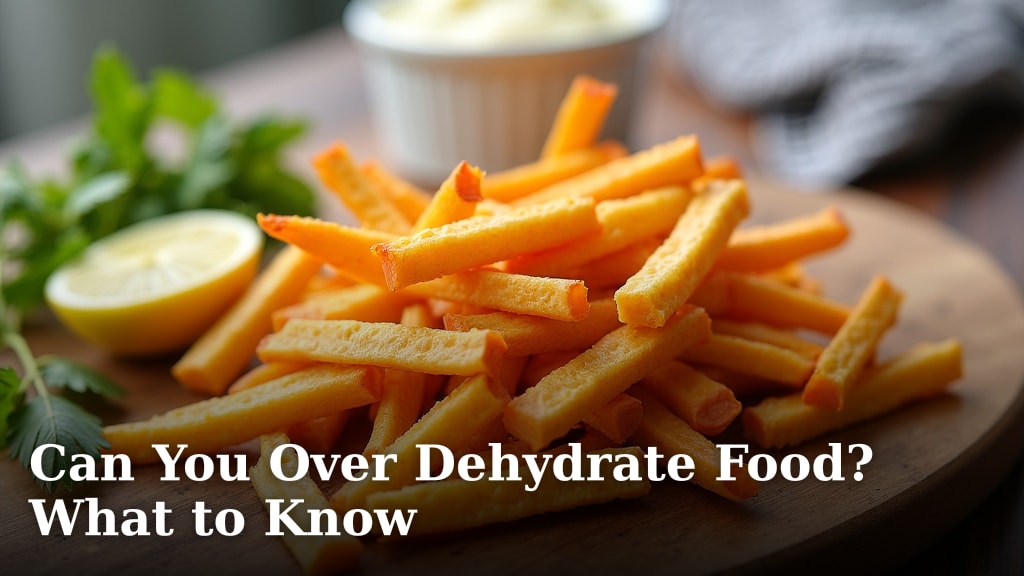
Yes, you absolutely can over-dehydrate food, though it’s not usually a cause for alarm. Over-dehydrating means removing too much moisture, which can make food excessively dry, brittle, and lose some of its original texture and flavor. While not harmful, it can make your dried snacks less enjoyable. You might notice your dehydrated fruit becoming hard like candy or jerky turning too tough to chew easily.
It’s a common concern for beginners learning to use a dehydrator or oven. The goal is to remove enough water to prevent spoilage, but not so much that the food becomes unpalatable. Understanding the signs of over-dehydrating helps you achieve that perfect dried consistency. You want food that is preserved but still pleasant to eat, not something that crumbles to dust or becomes rock-hard.
- Over-dehydrating removes too much moisture.
- This makes food overly brittle and less flavorful.
- It’s not dangerous, but affects taste and texture.
- Watch for signs like extreme hardness or crumbliness.
Let’s walk through exactly what over-dehydrating looks like and how to avoid it.
When Your Dehydrated Food Gets Too Dry
You’ve likely put in the effort to dry your food perfectly. But sometimes, things can go a bit too far. It’s possible to over-dehydrate food. This means you’ve removed too much moisture. The result is food that’s not quite right. It might be hard, brittle, or lose its enjoyable taste. This isn’t dangerous, but it does affect how much you’ll like your dried snacks. Let’s look at what happens and how you can avoid it.
What Does “Over-Dehydrated” Actually Mean?
Over-dehydrating occurs when food dries out past the ideal point. The goal of dehydrating is to remove enough water to stop bacteria and mold from growing. This preservation is key for long-term storage. However, if you keep drying the food for too long, or at too high a temperature, you can remove too much of the remaining moisture. This can leave the food crumbly, extremely hard, or even dusty. Think of it like leaving bread out for weeks versus just a day. The first is dry and stale, the second is just slightly firm.
Signs Your Food Might Be Too Dry
Paying attention to your food as it dries is important. You’ll start to notice clear signals that you’re heading into over-dehydrated territory. Your senses are your best tool here. Look, feel, and even smell your food during the drying process.
Visual Cues to Watch For
When food is over-dehydrated, its appearance changes. It might lose its vibrant color. The food can look dull or faded. For fruits, you might see them shrink more than expected. They can also become translucent or almost glassy. Vegetables might look very dark or appear to be “burnt” without being actually burnt. This visual change is often the first sign something is wrong.
Texture is Key: The Feel Test
The most obvious sign is texture. If you touch your dehydrated food and it feels rock-hard, it’s likely overdone. For fruits, instead of being pliable and chewy, they might snap like a twig. For jerky, it can become so tough that it’s difficult to even bend, let alone chew. If your food crumbles into dust when you touch it, that’s a definite sign of over-dehydration. The food should have a slightly leathery or chewy feel, not be brittle.
Changes in Smell and Taste
While less common, over-dehydrating can affect the smell and taste. Food that is extremely dry might have a muted flavor. Some foods can develop a slightly “toasted” or even burnt smell and taste if dried for too long at high heat. This happens because the natural sugars and oils in the food can degrade. You want your food to taste like a concentrated version of itself, not like something burnt or flavorless.
Why Does Over-Dehydrating Happen?
Several factors can contribute to accidentally drying your food out too much. Understanding these can help you prevent it next time.
Incorrect Temperature Settings
Using a dehydrator or oven set too high is a common mistake. Higher temperatures dry food faster, but they also increase the risk of over-drying and cooking the food. Many fruits and vegetables do best at temperatures between 125°F and 135°F (52°C to 57°C). Lean meats for jerky usually require a slightly higher temperature, around 155°F (68°C), but this still needs careful monitoring. Always check your dehydrator’s manual or reliable guides for recommended temperatures for specific foods. We found that sticking to recommended temperature ranges is often enough to prevent this issue.
Leaving Food in Too Long
This might seem obvious, but time is a critical factor. Dehydrating times vary greatly depending on the food type, thickness, humidity, and your specific appliance. Some foods might take only a few hours, while others can take 10-12 hours or more. Over-dehydrating often happens when you leave the food in the dehydrator past the point where it reaches the desired dryness. It’s better to check your food frequently, especially towards the end of the expected drying time. You can always dry it more, but you can’t add moisture back easily.
Not Monitoring Humidity and Airflow
Good airflow is essential for effective dehydration. It helps move moist air away from the food, allowing it to dry evenly. If airflow is poor, certain parts of the food might dry out much faster than others, and some might even spoil. High humidity in your kitchen can also slow down the drying process, potentially leading you to run the dehydrator longer than needed. Ensure your dehydrator is placed in a well-ventilated area. Avoid overcrowding trays, as this can restrict airflow.
How to Achieve the Perfect Dried Consistency
The sweet spot for dried food is when it’s safe from spoilage but still pleasant to eat. This “leathery” or “chewy” consistency is the goal.
Understanding “Done” for Different Foods
What “done” looks like varies. For fruits, they should be pliable and leathery. When you cool them completely, they shouldn’t feel sticky. Some moisture should still be present, allowing them to be slightly chewy. Think of a raisin, not a piece of hard candy. For vegetables, they should be brittle and easily crumbled. They shouldn’t be leathery. Jerky should be pliable and tough, bending without breaking. It should have little to no oil on the surface. Many guidelines, like those from the National Center for Home Food Preservation, suggest testing for dryness by placing cooled pieces in an airtight container for a day. If no condensation forms, it’s properly dried.
The Importance of Cooling and Testing
Always let your dehydrated food cool completely before testing for dryness. Warm food can feel softer and moister than it actually is. Once cooled, try the bend test for fruits and jerky, or crumble test for vegetables. Place a few pieces in an airtight container or a sealed bag. After 24 hours, check for any signs of condensation or moisture. If you find any, your food needs more drying time. If the container is dry, your food is ready for storage.
Cooling and Storing Properly
Once your food has reached the perfect state, cool it fully on racks. This allows air to circulate and ensures no residual heat causes spoilage. Store your dried foods in airtight containers. Glass jars, vacuum-sealed bags, or food-grade plastic containers work well. Keep them in a cool, dark, and dry place. Properly stored, most dehydrated foods can last for many months, sometimes up to a year or longer.
What If You Accidentally Over-Dehydrate?
Don’t despair if you find your food is a bit too dry. There are usually ways to salvage it or at least still use it.
Rehydrating Slightly Dry Foods
If your food is just a little too dry and brittle, you might be able to rehydrate it. For fruits, a short soak in warm water or fruit juice can help. Just a few minutes is often enough. For vegetables, a quick simmer in water or broth can bring them back. Be careful not to overdo the rehydration, or you’ll end up with mushy food. If the food is extremely dry and dusty, it might be beyond simple rehydration. We found that for severely over-dried items, adding them to soups, stews, or baked goods can be a good way to use them up.
Using Over-Dried Foods Creatively
Even if your food is too hard to eat as a snack, it might still be useful. You can grind very dry fruits into powders to add flavor to smoothies or baked goods. Over-dried vegetables can be ground into powders for seasoning mixes. Extremely brittle jerky might be too tough to chew, but its flavor is likely still there. You could chop it very finely and add it to pasta sauces or chili for a smoky, meaty taste. Think of it as a concentrated flavor booster rather than a standalone snack.
Learning from the Experience
Every batch of dehydrated food is a learning opportunity. If you over-dry your food, take note of the temperature, time, and conditions. Adjust your approach for the next batch. Were the trays too full? Was the temperature set too high? Did you forget to check it for several hours? Identifying the cause helps you refine your technique. You’ll soon get a feel for how long and at what temperature to dry different items. You want food that is preserved, safe, and delicious. To ensure you’re working with the right ingredients, learn what foods can be dehydrated.
A Checklist for Perfect Dehydration
Here’s a quick way to remember the key steps to avoid over-drying:
- Set the Right Temperature: Always use recommended temperatures for your food type.
- Check Often: Especially towards the end, check for dryness every hour or so.
- Know What “Done” Looks Like: Understand the ideal texture and pliability for each food.
- Cool Before Testing: Always let food cool completely before judging its dryness.
- Proper Storage: Use airtight containers in a cool, dark, dry place.
- Adjust as Needed: Learn from each batch and fine-tune your process.
Conclusion
You’ve learned that while over-dehydrating food is possible, it’s rarely a disaster. It simply means you’ve removed too much moisture, leading to a less enjoyable texture and flavor. The key is careful monitoring during the drying process. By watching for visual cues, feeling the texture, and understanding the right temperature and time for your food, you can avoid this common pitfall. Don’t be discouraged if your first attempts aren’t perfect; each batch offers a chance to refine your technique. Keep practicing, and you’ll soon master the art of perfectly dehydrated snacks that are both safe and delicious.
Frequently Asked Questions
What’s the biggest mistake people make when dehydrating food?
A common mistake is using a temperature that’s too high. This can dry the food too quickly, leading to it being over-dried on the outside while still not fully preserved inside. It also increases the risk of the food “cooking” rather than just drying.
Can I fix food that’s too dry and brittle?
Sometimes! If your food is only slightly over-dried, you might be able to rehydrate it with a short soak in water or juice. For severely over-dried items, it’s often best to use them in cooking, like adding them to soups or grinding them into powders for seasonings.
How do I know when fruit is perfectly dehydrated?
Perfectly dehydrated fruit should be pliable and leathery, not sticky or hard. It should bend without breaking. After cooling, it shouldn’t feel moist or leave any condensation in an airtight container.
Is over-dehydrated food still safe to eat?
Yes, over-dehydrated food is generally safe to eat. The issue is primarily with its texture and flavor, making it less appealing. It’s not a safety concern like under-dehydrated food, which could spoil.
Why does my dehydrated food look glassy?
A glassy appearance often means the food has been over-dried, especially fruits. This happens when too much moisture is removed, causing the natural sugars to crystallize and give it a shiny, hard look rather than a chewy texture.