
What Is a Dehydrator Used For? What This Means
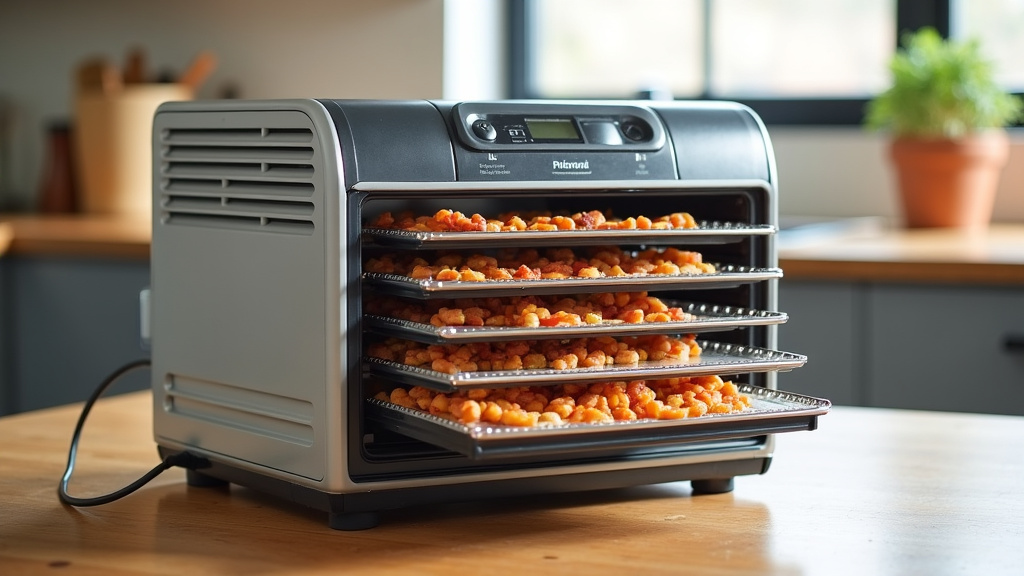
A dehydrator is a kitchen appliance that removes moisture from food using gentle heat and airflow. This process preserves food for long-term storage and creates healthy, shelf-stable snacks.
We found that many people use it to save money on groceries and reduce waste. You can transform seasonal fruits, garden vegetables, and even meats into items that last for months without refrigeration.
- Preserve fruits, vegetables, herbs, and meat for long-term storage.
- Create healthy, homemade snacks like fruit leather and beef jerky.
- Save money by buying in bulk or preserving your garden harvest.
- Enjoy outdoor activities with lightweight, non-perishable trail food.
- Prepare emergency food supplies that are ready to eat.
Below, we break down the many practical uses for a dehydrator and how it can become a valuable tool in your kitchen.
What Does a Dehydrator Actually Do?
A dehydrator works like a gentle, consistent oven that removes water from food. It uses low heat and circulating air to evaporate moisture. This simple process stops bacteria and mold from growing. You’re essentially creating food that’s shelf-stable for months. Think of it as a time machine for your groceries, keeping them fresh long past their season.
Common Uses for a Dehydrator
People reach for a dehydrator for many practical reasons. We found that the most popular uses center around saving food and creating healthy snacks. Let’s look at the biggest categories.
Preserving Fruits and Vegetables
This is the classic use. You can turn berries, apples, bananas, and mangoes into chewy, sweet snacks. For vegetables, think of tomato powder, onion flakes, or dried zucchini chips. The key is to slice them evenly so they dry at the same rate. The process locks in most of the vitamins and fiber (NIH).
- Produce lasts longer. Dried fruit can keep for 6-12 months in an airtight container.
- Reduces kitchen waste. Don’t toss that bruised apple. Dry it.
- Creates ingredients for cooking. Dried mushrooms or bell peppers add deep flavor to soups.
Making Homemade Snacks
Store-bought snacks are often full of added sugar and preservatives. With a dehydrator, you control the ingredients. You can make fruit leather, apple chips, or kale crisps. It’s a fantastic way to get kids involved in the kitchen. They love watching the food transform.
Preparing Meat and Jerky
Dehydrating lean cuts of beef, turkey, or even fish makes excellent jerky. You can control the salt and spice levels. For safety, the USDA recommends heating meat to 160°F (71°C) before dehydrating to kill any bacteria. Always follow tested jerky recipes to ensure it’s safe to eat.
Creating Herbs and Seasonings
Do you have a garden overflowing with basil or rosemary? A dehydrator can quickly dry them. Dried herbs retain their flavor for months. You can also make custom seasoning blends by dehydrating combinations of herbs and vegetables together. It’s cheaper than buying them pre-packaged.
Preparing for Emergencies and Outdoor Activities
Dehydrated food is lightweight and doesn’t need refrigeration. This makes it perfect for camping, hiking, or building an emergency food supply. We found that many families use dehydrators to store fruits, vegetables, and jerky for long-term use. It’s a smart way to be prepared.
Why Dehydrating Makes Sense for You
Beyond just preserving food, dehydrating offers real benefits for your daily life. It aligns with saving money and eating healthier without a lot of fuss.
Save Money and Reduce Waste
Think about seasonal produce prices. Berries are cheap in summer, but expensive in winter. If you buy in bulk during peak season and dehydrate them, you’re buying at the lowest price. We found that this practice can significantly reduce your grocery bill over time. You also stop throwing away produce that’s starting to go bad.
Eat Healthier Snacks
Commercial snacks often have hidden sugars and sodium. When you make your own, you decide what goes in. Dried fruit is a naturally sweet snack. Vegetable chips can be a crunchy, low-calorie alternative to potato chips. It’s a simple swap that supports better eating habits (Cleveland Clinic).
Enjoy Foods Year-Round
Love fresh peaches in August? Dehydrate them and enjoy that flavor in January. You’re not limited by the seasons. This means you can always have your favorite healthy options on hand. It’s a comforting feeling to open your pantry and see rows of home-dried goodness.
How to Get Started: A Simple Guide
You don’t need to be an expert to use a dehydrator. The basic steps are straightforward. The most important part is preparation.
Choosing Your Food
Start with fruits and vegetables. They are the easiest. Apples, bananas, strawberries, and tomatoes are great beginner items. For meats, always use tested recipes. Herbs are also very simple.
- Best beginner fruits: Bananas, apples, strawberries.
- Best beginner vegetables: Tomatoes, zucchini, green beans.
- For jerky: Use lean beef or turkey breast.
Preparation is Key
Uniform slicing is crucial. If pieces are different sizes, some will dry faster than others. Aim for 1/4-inch thickness for most fruits and vegetables. Some items like apples benefit from a quick dip in lemon water to prevent browning.
Understanding Temperature and Time
Dehydrators have temperature settings, usually between 95°F and 165°F (35°C and 74°C). Here’s a basic guide. Fruits typically need 135°F (57°C). Vegetables use 125°F (52°C). Herbs dry best at a lower temperature, around 95-110°F (35-43°C). Jerky requires 160°F (71°C) for safety.
| Food Type | Temperature Setting | Approximate Time | Doneness Test |
|---|---|---|---|
| Apples, Bananas | 135°F (57°C) | 6-12 hours | Pliable, no moisture |
| Tomatoes, Zucchini | 125°F (52°C) | 6-10 hours | Crispy or leathery |
| Herbs (Basil, Mint) | 95-110°F (35-43°C) | 2-4 hours | Crumble easily |
| Beef Jerky | 160°F (71°C) | 4-8 hours | Bends, no moisture |
Storing Your Dried Food
Once food is completely dry, let it cool. Then, store it in airtight containers. Glass jars with tight lids or vacuum-sealed bags work well. Keep them in a cool, dark place. Properly stored, dried fruits and vegetables can last from 6 months to a year.
Practical Tips for Dehydrator Success
Here are a few pointers to help you get the best results from your machine. These tips come from common experiences and guidelines.
Prevent Browning
Some fruits, like apples and avocados, turn brown when exposed to air. To prevent this, you can dip them in a solution of water and lemon juice or vitamin C powder. This simple step keeps them looking appetizing.
Rotate Trays
Not all dehydrators have perfect air circulation. We found that rotating the trays halfway through the drying time helps ensure even results. Some models have a fan, which makes this less necessary. It’s a good habit to get into, though.
Don’t Overcrowd
Air needs to flow around each piece. Leave a little space between slices. If trays are too packed, the food will take much longer to dry. Patience is important here. Rushing the process can lead to uneven results.
Checklist: Dehydrator Basics at a Glance
Use this quick list to remember the essentials when you start. Keep it handy for your first few batches.
- Slice uniformly. Even thickness means even drying.
- Choose the right temperature. Match the temp to the food type.
- Rotate trays mid-cycle. This promotes even drying.
- Cool completely before storing. Trapped moisture leads to mold.
- Use airtight containers. Keep out air and light for best shelf life.
- Label everything. Write the date and contents on the container.
Is a Dehydrator Worth the Counter Space?
Many people ask this. We found that for anyone who gardens, buys in bulk, or wants healthier snacks, the answer is yes. It’s a specialized tool, but it solves real problems. If you hate throwing away food, it helps. If you want cheap, healthy snacks, it delivers. It doesn’t do everything, but what it does, it does well.
The machine is also surprisingly low-maintenance. It doesn’t require constant attention. You can set it up and let it run, checking in occasionally. For many, it becomes a quiet, reliable part of their kitchen routine.
Final Thoughts on What Dehydrating Means for You
At its core, using a dehydrator means taking control of your food. You’re not just preserving items; you’re making choices about what you eat. You’re saving money, reducing waste, and enjoying foods on your own terms. It’s a practical skill that pays off in the long run. Whether you’re a seasoned cook or just starting, it’s a tool that can make your life a bit easier and healthier.
Conclusion
A dehydrator is more than a gadget for making jerky. We found it’s a practical tool for saving money, reducing waste, and taking control of what you eat. By removing moisture, you can preserve seasonal produce, create healthy snacks, and build a supply of shelf-stable food. It’s a straightforward way to make your kitchen more efficient and your pantry more resourceful. If you’re tired of throwing away spoiled food or want better options for your family, the logical next step is to try it yourself. Start with a simple batch of dried apples or tomato powder and see the difference.
Frequently Asked Questions
How much does it cost to run a dehydrator?
We found that most modern dehydrators are energy-efficient. A typical unit uses between 300 and 1000 watts. Running it for 8 hours generally costs less than a dollar in electricity, depending on your local utility rates.
Can I use a regular oven instead of a dehydrator?
You can use an oven on its lowest setting, but it’s not ideal. Ovens aren’t designed for the consistent low temperatures and constant airflow needed for even drying. A dedicated dehydrator uses less energy and produces more reliable results.
Is it safe to dehydrate meat and dairy?
It is safe to dehydrate lean meats like beef and poultry for jerky, but you must follow tested recipes and safety guidelines. Dairy products are not recommended for dehydration at home, as they can become unsafe. Stick to fruits, vegetables, herbs, and meats.
Do I need to blanch vegetables before dehydrating?
Blanching is recommended for certain vegetables like green beans and corn before dehydrating. This step helps preserve color, flavor, and nutrients. However, many vegetables like tomatoes and zucchini do not require blanching.
What’s the biggest mistake beginners make?
The most common mistake we see is not slicing food uniformly. Pieces of different thicknesses dry at different rates, leading to some being over-dried while others retain moisture. Aim for even, 1/4-inch slices for consistent results.