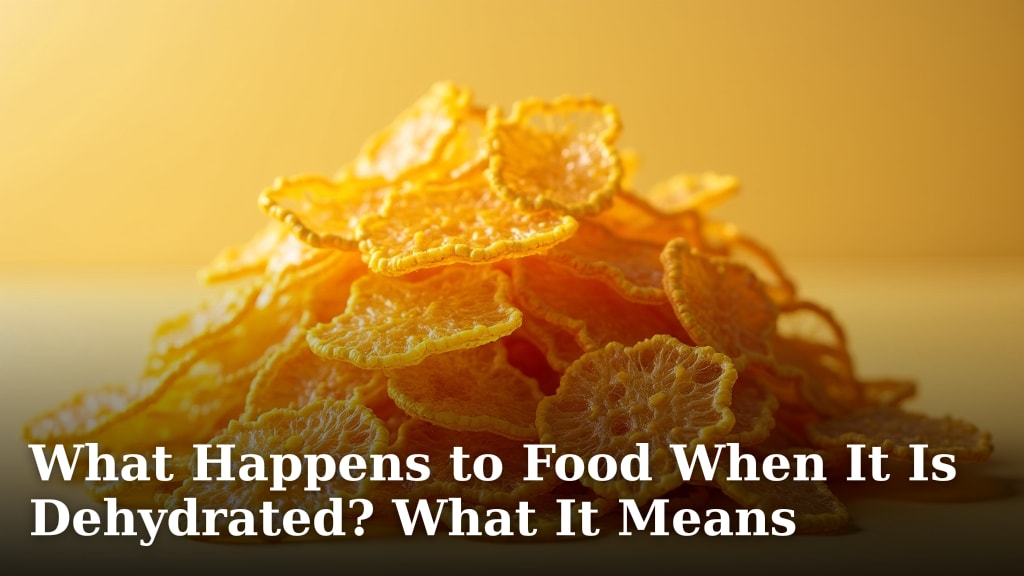
What Happens to Food When It Is Dehydrated? What It Means
When food is dehydrated, the water content is removed. This process slows down spoilage by making it harder for bacteria and mold to grow. So, what happens to food when it is dehydrated? It essentially gets preserved, allowing it to last much longer than fresh food.
Dehydrating food is a smart way to extend shelf life. It also concentrates flavors, making fruits sweeter and vegetables more intense. You can think of it as giving your food a long nap, making it ready for use much later.
- Water is removed from food.
- This prevents spoilage from bacteria.
- Food lasts a lot longer.
- Flavors become more concentrated.
Let’s walk through exactly what happens during dehydration and what that means for your food.
What Happens to Food When Water is Removed?
When you dehydrate food, you’re essentially taking the water out. This might sound simple, but it does a lot to change the food. The main goal is to stop the food from spoiling. Bacteria, yeast, and mold all need water to grow and multiply. Remove the water, and you take away their food source and living environment.
Think of it like this: fresh food is like a bustling city, full of activity. Dehydrated food is like a quiet desert. The lack of water makes it very difficult for those tiny spoilage organisms to set up shop and cause trouble. This is why dehydrated foods can last for such a long time compared to their fresh counterparts.
The Science Behind Drying Food
Dehydration is a preservation method that has been used for centuries. Before refrigerators and freezers, people relied on drying to store food for leaner times. The process removes moisture, which is key. How much moisture? Well, it depends on the food and the method, but generally, you’re aiming for a very low water content.
How Moisture Affects Food Spoilage
Water activity is a scientific term used to describe the amount of available water in food. It’s not just about how wet something feels. It’s about how much water can actually be used by microorganisms. Fresh fruits and vegetables have a high water activity, making them prime real estate for spoilage.
When you dehydrate food, you significantly lower the water activity. This makes the food inhospitable to microbes. The U.S. Department of Agriculture (USDA) recommends reducing water activity to below 0.85 for most foods to prevent bacterial growth. Dehydrating can often get it much lower, sometimes below 0.60, which is a very safe level.
Different Methods for Removing Water
There are several ways you can dehydrate food. Each method uses heat and air circulation to evaporate the water. The goal is to do this efficiently without cooking the food too much or burning it.
Using a Food Dehydrator
A food dehydrator is a dedicated appliance. It circulates warm air over food placed on trays. This is often the most consistent and reliable method. You can control the temperature and time, leading to predictable results. Many people find dehydrators easy to use and effective for a wide range of foods.
Oven Drying
You can also use your regular kitchen oven. This involves setting the oven to its lowest temperature and propping the door open slightly. This allows moisture to escape. It’s a more accessible method if you don’t have a dehydrator. However, it can be harder to maintain a consistent low temperature. Your oven might also use more energy than a dehydrator.
Sun Drying
Sun drying is the oldest method. It relies on the sun’s heat and natural air movement. Food is placed outdoors in direct sunlight. This method works best in hot, dry climates with low humidity. It’s very energy-efficient. However, it can be less predictable and requires careful monitoring to prevent contamination or spoilage.
Changes in Food Texture and Structure
Removing water doesn’t just preserve food; it also changes its physical properties. The most noticeable change is the texture. Food becomes drier, chewier, or even brittle, depending on the type of food and how long it was dehydrated.
Think about a plump grape versus a raisin. The grape is juicy and soft. The raisin is shriveled, firm, and chewy. The overall structure of the grape has collapsed as the water left. It becomes denser and more concentrated.
The Shrivelling Effect
As water leaves the cells of fruits and vegetables, they lose their internal pressure. This causes the cell walls to collapse. This is what leads to the characteristic shrivelled appearance of dehydrated foods. The food shrinks in size and becomes more compact.
Impact on Density and Weight
Because so much water is removed, dehydrated foods become much lighter. A pound of fresh berries will weigh significantly less after being dehydrated into dried berries. This reduction in weight is a direct result of losing moisture. It also makes them more portable and easier to store in bulk.
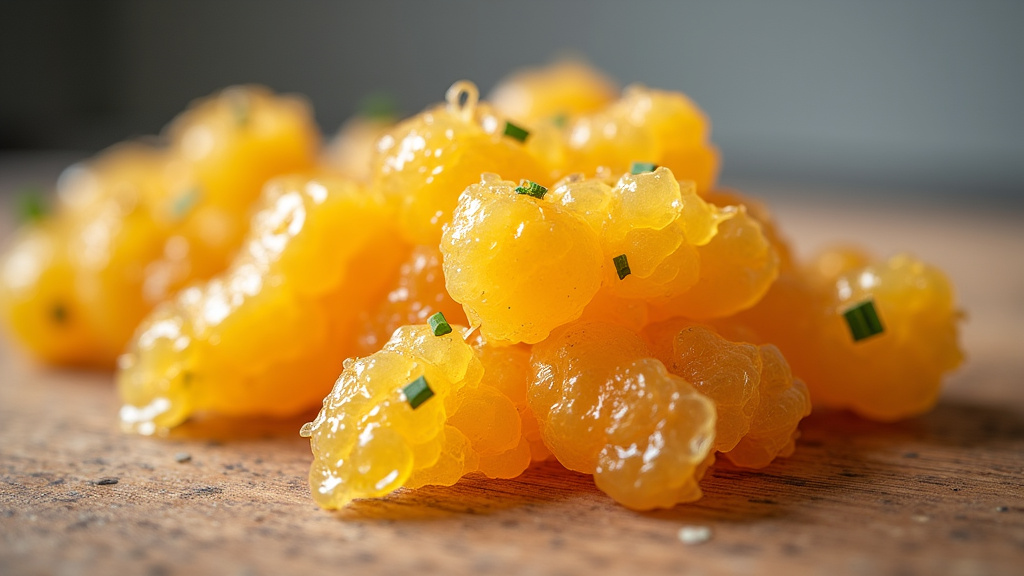
Concentration of Flavors and Nutrients
One of the most delightful outcomes of dehydration is the flavor concentration. When water is removed, all the natural sugars and flavor compounds are left behind. They become more intense. This is why dried fruits taste so much sweeter than their fresh counterparts.
It’s like reducing a sauce on the stovetop. When you simmer a sauce, water evaporates, and the flavors become richer and deeper. Dehydration does something similar, but it’s a slower, more gentle process. You get a more potent taste experience.
Sweetness in Fruits
For fruits like apples, mangoes, or bananas, dehydration naturally boosts their sweetness. The sugars within the fruit are no longer diluted by water. This makes them a popular snack choice. You get that sweet satisfaction without added sugars.
Intensity in Vegetables
Vegetables also benefit from this flavor boost. Dehydrated tomatoes, for example, have an incredibly rich, umami flavor that’s different from fresh tomatoes. They become more concentrated and savory. This makes them great for adding depth to soups, stews, or sauces.
Nutrient Changes: What to Expect
What about the vitamins and minerals? Generally, dehydration does not destroy large amounts of nutrients. Some heat-sensitive vitamins, like Vitamin C and some B vitamins, might be reduced slightly, especially if high temperatures are used or if the process takes a very long time. However, many nutrients remain largely intact.
According to researchers, the concentration of nutrients actually increases because the food’s weight is reduced. So, while you might lose a tiny bit of Vitamin C, the remaining nutrients are packed into a smaller, lighter package. Minerals, fiber, and protein are generally stable during dehydration.
Here’s a quick look at what happens to common nutrients:
| Nutrient Type | Effect of Dehydration |
|---|---|
| Minerals (e.g., iron, calcium) | Largely unaffected. Become more concentrated by weight. |
| Fiber | Remains stable. May become more noticeable in texture. |
| Protein | Generally stable. Some minor loss may occur with high heat. |
| Fat-soluble vitamins (A, D, E, K) | Relatively stable. |
| Water-soluble vitamins (C, B vitamins) | Some loss possible, especially Vitamin C and B1. Often minimal with proper methods. |
Extending Shelf Life and Reducing Waste
The primary benefit of dehydration for shoppers is extending the shelf life of food. This means you can buy in bulk when items are on sale or when they are in season. Then, you can preserve them for later use.
This process is also fantastic for reducing food waste. Have you ever bought a big bunch of herbs or a large quantity of fruit only to find some of it going bad before you could use it all? Dehydrating is a perfect solution. You can save that extra food and enjoy it weeks or months down the line.
Consider these simple steps to make the most of your dehydrated foods:
- Properly cool all dehydrated items.
- Store in airtight containers away from light.
- Label containers with the food type and date.
- Check periodically for any signs of moisture.
- Rehydrate when needed for recipes or snacks.
- Enjoy your preserved foods!
Conclusion
You’ve learned that dehydrating food is a smart way to preserve it. By removing water, you stop spoilage and make food last much longer. This process also changes food’s texture and concentrates its flavors, making it more intense and enjoyable. While some water-soluble vitamins might reduce slightly, most nutrients remain intact and become more concentrated by weight. Ready to try it? Your next step is to choose a food you enjoy and start dehydrating to experience these benefits yourself! Your next step is to choose a food you enjoy and start dehydrating to experience these benefits yourself.
Frequently Asked Questions
Does dehydrating food kill all bacteria?
Dehydrating significantly reduces the water available for bacteria, yeast, and mold to grow, effectively stopping most spoilage. While it doesn’t sterilize food by killing every single microbe, it creates an environment where they cannot thrive, making the food safe to store and eat.
Will my dehydrated food taste the same as fresh?
No, dehydrated food will have a different taste and texture. The removal of water concentrates the natural sugars and flavors, making them more intense. Expect a chewier texture and a sweeter or more savory profile, depending on the food.
How long can I expect dehydrated food to last?
When stored properly in airtight containers away from light and moisture, most dehydrated foods can last for several months to a year or even longer. The exact shelf life depends on the type of food and how thoroughly it was dried.
Can I rehydrate dehydrated food to make it fresh again?
You can rehydrate most dehydrated foods by soaking them in water or other liquids. While this restores some of their original moisture and texture, they will likely not be exactly like fresh food. Rehydrated foods are often best used in cooked dishes like soups and stews.
Is dehydrating food more expensive than freezing?
The initial cost of a dehydrator can be higher than for freezer bags or containers. However, dehydrating uses less electricity than running a freezer continuously. When you consider the extended shelf life and reduced food waste, it can become a cost-effective preservation method over time.