Is Dehydrated Food Healthy? What to Remember
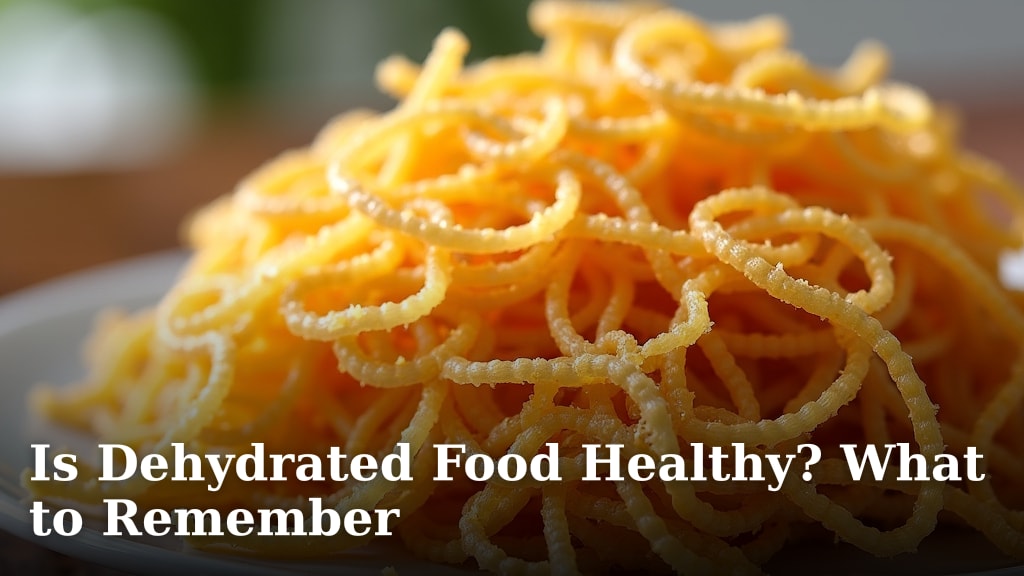
Yes, dehydrated food can be a healthy choice when it’s made simply and without a lot of added junk. The dehydration process mainly removes water, so the vitamins, minerals, and fiber from the original fruit or vegetable are still there. Think of it as a concentrated, shelf-stable version of real food.
Many people use it for its incredible convenience and long shelf life, which makes it perfect for camping, emergency kits, or a quick snack. We found that the healthiness really depends on two things: what’s in the package and how you plan to eat it. Some products have hidden sugars or salts that aren’t great for you.
- Nutrients are mostly kept: Dehydration preserves most vitamins and fiber.
- Watch for additives: Plain is best; avoid added sugars and high sodium.
- It’s concentrated: A small handful of dried fruit is like eating a larger portion of fresh.
- Rehydrate for meals: Soaking it back in water makes it feel more like a fresh ingredient.
- Check the label: The ingredients list should be short and recognizable.
Below, we’ll walk through exactly how dehydration affects nutrition, what to look for on the label, and smart ways to use it in your diet.
The Dehydration Process and How It Changes Your Food
At its core, dehydration is a simple cooking method. It uses gentle heat and airflow to remove most of the water from food. You’ve done it if you’ve ever left apple slices on the counter and they turned brown and chewy. Commercial dehydrators and food producers just do it faster and more safely.
Here’s the key thing: removing water doesn’t remove nutrients. A dried blueberry still has the fiber, vitamins, and minerals from a fresh one. What it does is shrink the food down. This means one cup of dried strawberries takes up the same space as many cups of fresh ones. It’s a concentrated package of the original food’s goodness.
What Happens to Vitamins and Minerals?
We looked into how dehydration affects different nutrients, and the results are pretty straightforward. Water-soluble vitamins, like Vitamin C and some B vitamins, are the most sensitive to heat and light. They can be reduced during the drying process.
However, most minerals and fiber are completely unaffected. You’ll still get all the potassium from a banana or the iron from spinach. Many experts point out that the mineral content is actually more concentrated per serving in the dried version (USDA FoodData Central). So, while you might lose a bit of Vitamin C, you’re not losing the core nutritional value.
Concentration Means Calories, Too
Think of it like this: a handful of raisins is easy to eat. But that same handful comes from a whole lot of grapes. This concentration is a double-edged sword. It makes dehydrated food a fantastic, energy-dense snack for hiking or a busy afternoon. But it also means calories add up quickly if you’re not mindful of portion sizes. A small handful is a serving, not the whole bag.
Reading the Label: Your First Line of Defense
The healthiest dehydrated foods have the shortest ingredient lists. Your best bet is often the product with just one ingredient: the food itself. But not all packages are that simple.
The Red Flag: Added Sugars
Many dehydrated fruits, especially cranberries, cherries, and tropical fruits, have sugar added. This is done for flavor and preservation. You might see it listed as cane sugar, fruit juice concentrate, or corn syrup. The CDC recommends limiting added sugars for better health outcomes.
How much is too much? Check the “Added Sugars” line on the nutrition facts panel. A product with 5 grams or less per serving is a reasonable choice. Over 10 grams? That’s a treat, not an everyday snack.
Spotting Hidden Sugars
Some products don’t taste super sweet but still contain added sugars. Always scan the ingredients list. If sugar is in the first three ingredients, it’s a major component. The goal is to find dried fruit that tastes like fruit—sweet, yes, but with the natural tang of real produce.
The Other Concern: Sodium and Salt
This is especially important for dehydrated vegetables and meal mixes. Salt is a common preservative and flavor enhancer. A bag of dehydrated soup mix or seasoned vegetable chips can hold a surprising amount of sodium.
We recommend looking for low-sodium options. Aim for products with less than 140 milligrams of sodium per serving, which is the FDA’s threshold for a “low sodium” claim. Rinsing some salted vegetables before eating can also help reduce the sodium content.
Smart Ways to Enjoy Dehydrated Foods
So, you’ve bought a bag of the good stuff. Now what? Using it correctly makes all the difference for both satisfaction and health.
Rehydrate for Volume and Satiety
Soaking dehydrated food in water or broth brings it back to life. This is perfect for cooking. Dehydrated onions, peppers, and mushrooms are staples in camping meals and emergency pantries. When you rehydrate them, you get more volume, which helps you feel full. It also means you’re getting the nutrients with a big dose of water, which is great for hydration.
Use as a Smart Topping or Mix-in
Don’t just eat dried fruit from the bag. Sprinkle a few raisins on your morning oatmeal or yogurt. Toss some dried blueberries into a salad. This way, you get the burst of flavor and fiber without overdoing it. A tablespoon or two is plenty to liven up a dish.
The Perfect Travel and Emergency Snack
Let’s be real: this is where dehydrated food shines. It’s lightweight, doesn’t spoil, and provides quick energy. Keeping a small bag of mixed dried fruit and nuts in your car, desk, or hiking pack means you always have a healthy option on hand. It can save you from a vending machine run when hunger strikes.
Dehydrated vs. Freeze-Dried: What’s the Difference?
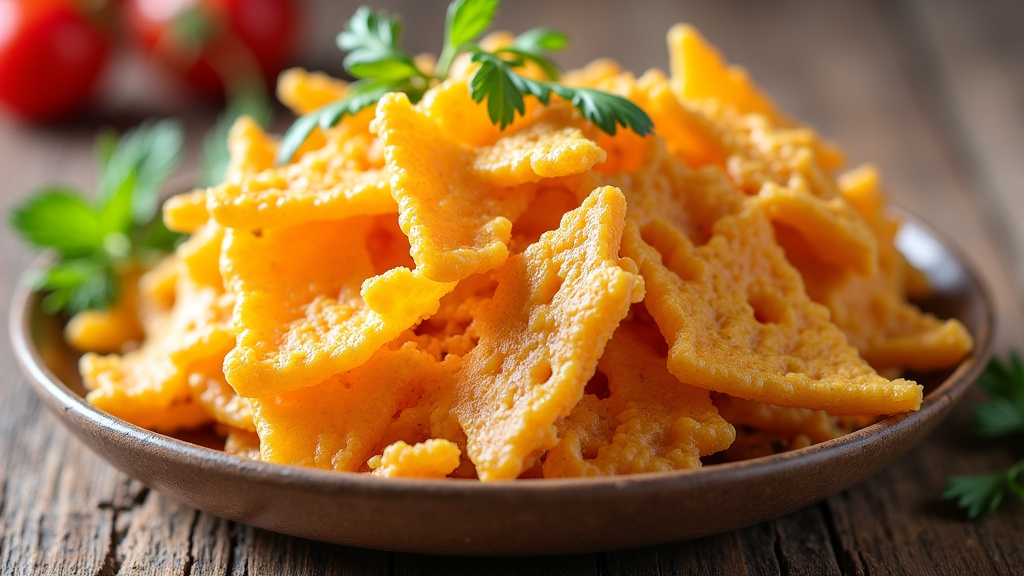
You’ll see both types on the shelf, and they are not the same. Both remove water, but the method changes the texture and best use.
| Feature | Dehydrated (Air-Dried) | Freeze-Dried (Lyophilized) |
|---|---|---|
| Process | Uses warm air to evaporate water. | Freezes food, then removes ice via vacuum. |
| Texture | Chewy, leathery, dense. | Light, airy, crispy, fragile. |
| Rehydration | Slower; often needs simmering. | Very fast; dissolves or rehydrates in minutes. |
| Best For | Fruit snacks, jerky, cooking ingredients. | Lightweight camping meals, backpacking, long-term storage. |
| Nutrition | Good retention, concentrates calories. | Excellent retention of original shape and nutrients. |
For everyday snacking, both are fine. Freeze-dried options often feel more like the original fruit (like a crunchy strawberry) but can be more expensive.
A Simple Checklist for Buying Dehydrated Food
Ready to shop? Keep this list in mind. It cuts through the marketing noise and helps you pick the healthiest options every time.
- Check the Ingredients First: The list should be short. Ideally, just the fruit, vegetable, or meat itself.
- Look for No Added Sugars: Especially for fruit. If sugar is added, it should be near the end of the list.
- Watch the Sodium Level: For veggies and meals, aim for less than 140mg per serving.
- Avoid Artificial Colors and Preservatives: Things like sulfur dioxide (used to preserve color in some apricots) are best avoided.
- Consider the Portion: A serving size of dried fruit is typically about 1/4 cup. That’s your benchmark.
- Trust Your Sniff: The product should smell like the food, not like chemicals or an overly sweet candy shop.
By following these steps, you can confidently choose dehydrated foods that support your health goals. It’s all about being a label detective and a mindful eater.
Conclusion
Dehydrated food can be a healthy choice when you choose wisely. Remember to look for simple ingredients and avoid added sugars or high sodium. Since it’s concentrated, be mindful of portion sizes to manage calories. You can enjoy it as a snack or rehydrate it for meals. Your next step is to use the buying checklist from the article when you shop. This will help you pick options that support your health without the guesswork.
Frequently Asked Questions
Does dehydrated food lose all its nutrients?
No, dehydration keeps most vitamins, minerals, and fiber. Some water-soluble vitamins like Vitamin C may decrease, but core nutrients remain. The process concentrates the good stuff, so you still get benefits.
Can dehydrated food help with weight loss?
It can, but watch your portions. Dehydrated food is calorie-dense, so a small handful is enough. Choose plain options without added sugars to support your goals.
Is dehydrated food safe for children?
Yes, if it’s plain and without added sugars or salt. Check labels for simple ingredients. Offer small amounts as a snack, and ensure it’s appropriate for their age.
How long does dehydrated food last?
It can last months or even years if stored properly. Keep it in a cool, dry place in airtight containers. Always check for freshness before eating.
What should I look for when buying dehydrated vegetables?
Focus on low sodium and no added flavors. The ingredient list should be short, ideally just the vegetable. Aim for less than 140mg of sodium per serving.