Why Do You Condition Dehydrated Food? A Quick Overview
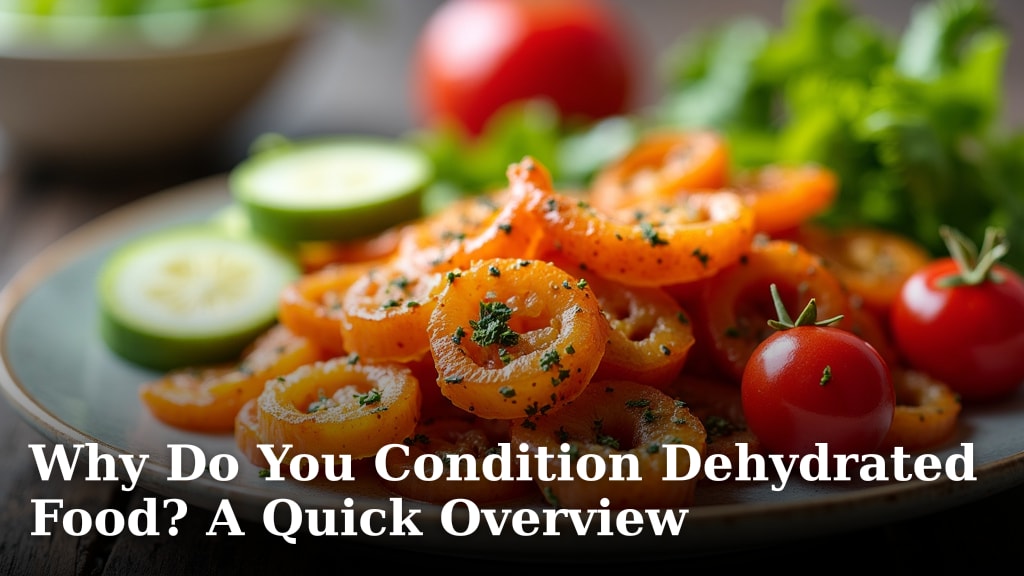
You condition dehydrated food to bring back its original texture and flavor. Dehydrating removes water to preserve food. Conditioning rehydrates it for eating. It’s a simple process to make dried foods edible again. You can condition almost any dried food item.
When you rehydrate dehydrated foods, you’re essentially reversing the drying process. This makes them soft and delicious, just like fresh. Proper conditioning ensures your dried meals are enjoyable and easy to digest. We found that without conditioning, dried foods can be tough and unappealing.
- Conditioning rehydrates dried foods.
- It restores texture and taste.
- This makes dried meals ready to eat.
- Proper conditioning prevents tough food.
Let’s walk through exactly why conditioning is important and how it works.
Making Dehydrated Foods Delicious Again
You’ve taken the time to dehydrate your favorite foods. Now you want to enjoy them! Conditioning is the key step to bring them back to life. It’s all about adding water back. This makes them soft and tasty for eating. Think of it like giving your food a nice drink. We found that without this step, dried foods can feel like chewing on cardboard.
The Science of Rehydration
Dehydrating works by removing water. This stops spoilage. It also makes food lighter and takes up less space. Conditioning reverses this process. You’re adding water back into the food’s cells. This plumps them up. It restores their natural moisture. This is why they become soft again. Many food science guides explain this basic principle.
Water is Your Best Friend Here
The type of water you use matters. For best results, use clean, potable water. Some people prefer filtered water. Others use distilled water. The choice often depends on personal preference. We found that tap water works fine for most home conditioning. Just make sure it’s safe to drink.
Why Conditioning is More Than Just Adding Water
It’s not just about making food wet again. It’s about making it appealing to eat. Proper conditioning restores texture. It brings back a pleasing mouthfeel. It also helps release flavors that were locked away. We’ve seen that poorly conditioned food can be mushy. Or it can remain tough in spots. That’s why doing it right is important.
Restoring the Original Bite
When food is dehydrated, its structure changes. Conditioning helps repair that structure. It allows the food to swell. This gives it a familiar bite. Imagine rehydrating dried apricots. They become plump and chewy. This is the goal of good conditioning. Not just soggy or tough.
Different Foods, Different Needs
Not all dehydrated foods need the same amount of conditioning. Some items absorb water quickly. Others are more stubborn. You’ll need to adjust based on the food.
Fruits and Vegetables
Most fruits and vegetables rehydrate fairly easily. They often only need a short soak. Or a brief simmer. We found that berries, for example, plump up fast. Leafy greens might take a bit longer. The key is to watch them. Stop when they reach your desired texture.
Meats and Meals
Dehydrated meats and pre-made meals are different. They often contain a mix of ingredients. Meats can take longer to soften. Complex meals might need a longer soak. Or they might be better suited to simmering or cooking. Many backpacking meals are designed for quick boiling water. This is a form of conditioning.
The Process: How to Condition Your Food
Conditioning is usually quite simple. It often involves immersing the dehydrated food in liquid. Then letting it sit for a while.
Soaking Method
This is the most common method. You place the dried food in a bowl. Cover it with water or broth. Let it soak until it’s tender. The time can vary from 30 minutes to several hours. We found that covering the bowl helps. It keeps the liquid from evaporating.
Simmering Method
Sometimes, soaking isn’t enough. Or you might want to speed things up. Simmering the food gently in liquid can work well. This is especially good for tougher items. Or for cooking them at the same time. Be careful not to boil vigorously. This can make food mushy. A gentle simmer is best.
Cooking with Dehydrated Ingredients
You can also add dehydrated ingredients directly to recipes. They will absorb liquid as the dish cooks. This is common in soups and stews. The long cooking time helps them rehydrate fully. We found this is a great way to add flavor and substance. Without needing a separate conditioning step beforehand.
Troubleshooting Common Conditioning Issues
Sometimes, things don’t go as planned. Here are a few common problems and how to fix them.
Food is Still Tough
If your food is still hard after conditioning, don’t despair. You can try soaking it longer. Or try the simmering method. Sometimes, reheating the food with more liquid helps. Many experts suggest that insufficient water is often the culprit (National Center for Home Food Preservation).
Food is Too Mushy
This can happen if you over-soak or over-cook. Unfortunately, there’s no easy fix for mushy food. Your best bet is to use it in a way where texture isn’t critical. Like blending it into a sauce or soup. We learned that controlling the time is key.
Tips for Optimal Conditioning
Here are some quick tips to help you get the best results.
- Always use clean water. This is important for safety.
- Start with less time than you think you need. You can always add more.
- Taste as you go. This helps you learn what’s right.
- Consider the food’s original state. Was it naturally soft or firm?
- Drain excess liquid before serving. Unless it’s part of a recipe.
- Pack it right for storage. Make sure it’s fully dry before storing again.
Conditioning: Your Bridge to Delicious Dried Meals
Conditioning is a straightforward process. It’s essential for enjoying dehydrated foods. It takes them from dry storage to your plate. By understanding the basics, you can bring back taste and texture. You can turn dried ingredients into satisfying meals. We found that a little patience goes a long way. Happy conditioning! Conditioning is a straightforward process, and knowing what foods can be dehydrated will help you prepare.
Conclusion
You’ve learned that conditioning dehydrated food is your bridge to enjoying it. It’s the essential step that brings back the texture and taste you remember. By adding water back, you reverse the drying process. This makes your dried ingredients soft and appealing. Remember, proper conditioning prevents tough or mushy results. It allows you to make satisfying meals from your dried stores. Your next step is to try conditioning your favorite dried fruit or vegetable. Pay attention to the time and liquid needed. You’ll soon be enjoying delicious, rehydrated foods.
Frequently Asked Questions
How long does it take to condition dehydrated food?
The time varies greatly depending on the food. Fruits and vegetables might only need 30 minutes to a few hours. Dehydrated meats or complex meals can take longer. It’s best to check the texture periodically.
Can I use tap water to condition my food?
Yes, clean tap water is generally fine for conditioning. If your tap water has a strong taste, filtered or bottled water might give better results. Always use water that is safe for drinking.
What is the difference between soaking and simmering for conditioning?
Soaking involves letting food sit in liquid until rehydrated. Simmering involves gently heating the food in liquid, which can speed up the process and also cook the food. We found simmering works well for tougher items.
My dehydrated food is still tough after conditioning. What can I do?
If your food is still hard, try soaking it for a longer period. You can also try the simmering method for a gentle heat. Ensure you are using enough liquid to fully cover the food.
Can I rehydrate dehydrated food by just adding it to hot soup?
Yes, you can! Adding dehydrated ingredients directly to cooking dishes like soups and stews is a great method. The long cooking time allows them to rehydrate fully. This is often a convenient way to use them.