Can You Dehydrate Food Overnight? A Clear Answer

Yes, you can often dehydrate food overnight, especially if you’re using a dehydrator. This method is perfect for achieving consistently dry results without constant monitoring. However, the success depends on the specific food and your dehydrator’s settings, so understanding your appliance is key.
Dehydrating overnight leverages consistent low heat to remove moisture, making it a convenient option for busy schedules. You’ll want to ensure your food is properly prepared and your dehydrator is set to the right temperature to avoid over- or under-drying. This technique is particularly useful for preserving large batches of produce.
- Dehydrating overnight is often possible with a food dehydrator.
- It requires proper food preparation and correct appliance settings.
- This method saves time and avoids constant checking.
- Results vary based on the food and dehydrator type.
Let’s dive into the specifics of dehydrating food overnight, including what works best and how to get started.
Dehydrating Food Overnight: Is It a Good Idea?
Yes, dehydrating food overnight is often a great choice. It’s a convenient way to preserve your harvest or batch-cooked meals. Many people find it works best with a food dehydrator. These machines are designed for long, slow drying. You can simply set it up before bed and wake up to finished, dried goods. It takes the guesswork out of monitoring.
How Overnight Dehydrating Works
Dehydrators use low heat and air circulation. This process slowly removes moisture from food. When you dehydrate overnight, you’re essentially letting the machine do its job undisturbed. This consistent, gentle drying is key to preserving food quality. It helps prevent spoilage and creates shelf-stable products.
Research shows that consistent temperatures are vital for effective dehydration (USDA Agricultural Research Service). Leaving your dehydrator on overnight ensures this consistency. You don’t have to worry about power outages or forgetting to turn it off. It’s a set-it-and-forget-it approach that many find very appealing.
Which Foods Are Best for Overnight Dehydrating?
Not all foods are created equal when it comes to overnight drying. Some items dry faster than others. It’s wise to know what works best so you don’t end up with undercooked or overcooked results.
Fruits: The Easy Choice
Fruits are generally excellent candidates for overnight dehydration. Think apples, bananas, berries, and apricots. They have a good sugar content, which helps preserve them. Their moisture content is also fairly manageable. You usually won’t need to adjust temperatures much.
For example, sliced apples can dry beautifully over 8-12 hours. Strawberries might take a bit less time. The key is to cut them into uniform slices. This ensures even drying. If you put them in at night, you’ll likely find them perfectly leathery and sweet by morning.
Vegetables: With a Little More Attention
Vegetables can also be dehydrated overnight, but they often require more preparation. Many vegetables, like carrots, peppers, and zucchini, benefit from blanching before drying. Blanching is a quick dip in boiling water followed by an ice bath. This helps retain color and nutrients. It also speeds up the drying process.
Some vegetables, like tomatoes or mushrooms, can be dried overnight without blanching. However, their moisture levels are higher. You might need to check them a bit more closely. Ensure your dehydrator is set correctly for vegetables.
Meats and Jerky: A Special Case
Dehydrating meat, especially for jerky, requires careful attention to safety. You must ensure the meat is heated to a safe internal temperature to kill bacteria. Many experts recommend pre-cooking jerky meat to at least 160°F (71°C) before dehydrating it (CDC). Dehydrating at temperatures too low can be risky. Dehydrating meat, especially for jerky, requires careful attention to safety, and this guide explains what foods should not be dehydrated.
While you can dehydrate jerky overnight, you need to be absolutely certain it’s safe. This often means using a higher initial temperature for the first few hours. Then, you can lower it for the remaining time. Always follow a trusted jerky recipe. It’s better to err on the side of caution with meat.
Herbs: Delicate and Quick
Herbs are fantastic for overnight dehydration. They have a low moisture content and dry relatively quickly. Basil, mint, oregano, and thyme are common choices. You can often dry herbs on a lower setting. This preserves their delicate flavors and aromas.
Herbs typically don’t need extensive preparation. Just wash and dry them thoroughly. Lay them flat on your dehydrator trays. They might be ready in as little as 4-6 hours. This means they could be done before you even need to think about going to bed!
Setting Up Your Dehydrator for Overnight Success
Getting your dehydrator ready for an overnight run is simple. But a few steps can make all the difference. Proper preparation ensures you wake up to perfectly dried food.
Choosing the Right Temperature
Temperature is your most important dial. Too hot, and you’ll cook your food instead of drying it. Too cool, and you risk spoilage or slow, inefficient drying. Most dehydrators have temperature settings ranging from 90°F to 165°F (32°C to 74°C).
For fruits and herbs, lower temperatures are usually best. Think 130°F to 140°F (54°C to 60°C). Vegetables might need slightly higher, around 120°F to 135°F (49°C to 57°C). For jerky, you’ll need to start higher, around 155°F to 165°F (68°C to 74°C), to ensure safety (FDA Food Safety). Always check your dehydrator’s manual.
Preparing Your Food
Uniformity is key. Slice fruits and vegetables to an even thickness, typically 1/4 inch. This ensures they all dry at roughly the same rate. Thicker pieces will take longer. Thinner pieces might burn or over-dry.
Wash all produce thoroughly. Remove any blemishes or soft spots. For fruits with tough skins, like apples, you might want to peel them. Or, you can score the skin to help moisture escape. Ensure everything is patted dry before placing it on the trays.
Arranging Food on Trays
Don’t overcrowd the trays. Food needs space for air to circulate around it. Overlapping pieces won’t dry evenly. Place items in a single layer. Leave a little room between each piece.
If you’re dehydrating different types of food, try to group similar items together. Fruits that dry quickly shouldn’t be on the same tray as vegetables that take much longer. This prevents over- or under-drying. Rotate trays if your dehydrator manual suggests it.
What to Expect When Dehydrating Overnight
Waking up to your dehydrated treats is a rewarding experience. But knowing what to look for helps you assess the results.
Checking for Doneness
How do you know if it’s done? For fruits, they should feel leathery and pliable. They shouldn’t be sticky or wet. You should be able to bend a piece without it breaking. There should be no visible moisture when you squeeze it.
Vegetables should be brittle or leathery, depending on the desired outcome. For snacks, leathery is often preferred. For ingredients in cooking, brittle can be better. Jerky should be tough and dry. It should snap when bent, but not crumble. If you’re unsure, it’s always better to dry for a little longer.
Storing Your Dried Goods
Once dried, let the food cool completely. This is very important. Storing warm food can create condensation, leading to mold. Use airtight containers. Mason jars, vacuum-sealed bags, or quality food storage containers work well.
Store your dried foods in a cool, dark, dry place. Properly stored dehydrated foods can last for many months, even up to a year or more. Check them periodically for any signs of spoilage.
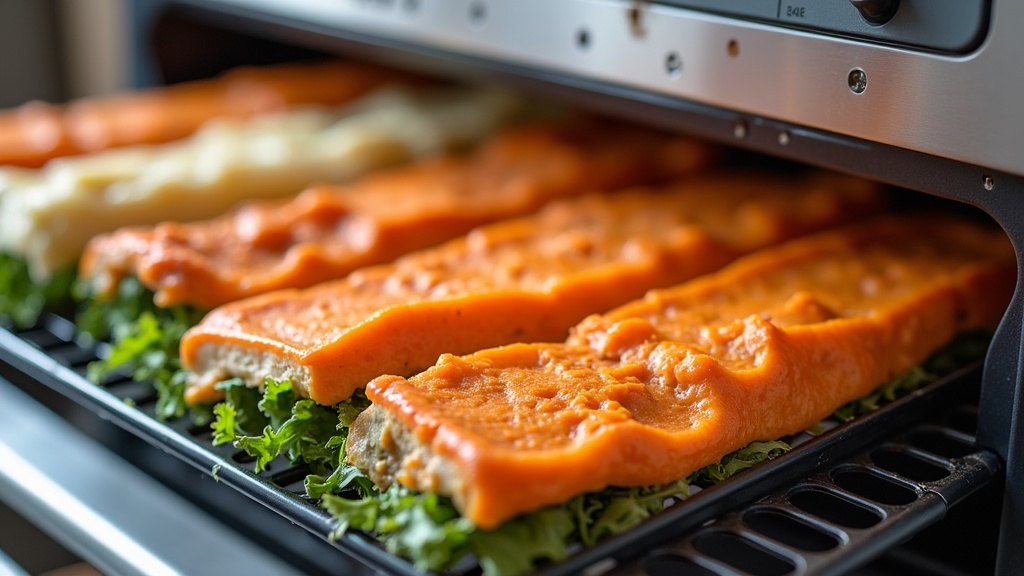
Potential Pitfalls of Overnight Dehydrating
While convenient, overnight dehydrating isn’t foolproof. There are a few things that can go wrong.
The Risk of Over-Drying
If your temperature is too high, or your food is cut too thin, you might end up with brittle, burnt-looking pieces. This is especially true for delicate items like herbs or thin fruit slices. Over-dried food loses its texture and flavor.
Under-Drying and Spoilage
Conversely, if the temperature is too low, or the drying time is insufficient, your food might remain too moist. This can lead to mold or spoilage. This is a serious concern, especially with meats and vegetables. It’s why following recommended temperatures and times is so important.
Power Outages and Appliance Issues
This is a practical concern. If your power goes out overnight, your dehydrator stops working. This can leave your food in a semi-damp state, increasing the risk of spoilage. It’s a good idea to have a backup plan or monitor the weather forecast if you live in an area prone to outages.
It’s also possible for a dehydrator to malfunction. While rare, it’s something to consider. Running it overnight means you’re not there to catch any unusual smells or sounds. For this reason, some people prefer to run their dehydrator during the day.
Tips for a Successful Overnight Dehydrating Experience
Here’s a quick checklist to help you get the most out of dehydrating overnight:
- Prep food properly: Slice evenly, wash, and pat dry.
- Use the right temperature: Consult your dehydrator manual or reliable guides.
- Don’t overcrowd trays: Allow for good air circulation.
- Check food for doneness: Aim for leathery or brittle, depending on the food.
- Cool food completely: Before storing to prevent condensation.
- Store in airtight containers: In a cool, dark, dry place.
Conclusion
Dehydrating food overnight is a convenient method, especially with a food dehydrator. You’ve learned that fruits, herbs, and many vegetables are excellent candidates. Meats require extra caution for safety. Proper preparation, like even slicing and correct temperature settings, is vital. While overnight drying saves time, be mindful of potential over- or under-drying. By following these guidelines, you can confidently set up your dehydrator before bed and wake up to delicious, preserved foods. Start by trying a simple fruit like apple slices this week.
Frequently Asked Questions
Is it safe to leave a food dehydrator running overnight?
Yes, it is generally safe to leave a food dehydrator running overnight, especially modern appliances designed for long, continuous use. Always ensure your dehydrator is in good working condition and placed on a stable, heat-resistant surface. For meats, confirm you’ve reached safe internal temperatures before the long drying process begins.
What if the power goes out while my food is dehydrating overnight?
If the power goes out, your dehydrator stops working, which can halt the drying process. If this happens, check your food for signs of spoilage. Depending on how long the power is out and the type of food, you might need to discard it or try to finish drying it later if it’s still safe.
How can I tell if my food is fully dehydrated after running the machine overnight?
For fruits, they should feel leathery and pliable, bending without breaking. Vegetables should be brittle or leathery, depending on your preference. Jerky should be tough and dry, snapping without crumbling. If in doubt, it’s always better to dry for an extra hour or two.
Can I dehydrate different types of food together overnight?
It’s best to avoid dehydrating different types of food together overnight, especially if they have varying drying times or moisture content. Fruits might dry faster than some vegetables. Running different items together increases the risk of some foods being over-dried while others are under-dried.
What’s the best way to store food dehydrated overnight?
Once your food is completely dry and has cooled to room temperature, store it in airtight containers. This includes mason jars, vacuum-sealed bags, or sturdy food storage containers. Keeping them in a cool, dark, and dry place will help them last for months.