
How Dehydrating Works
How to Make Chicken Jerky in a Dehydrator
Make chicken jerky in a dehydrator with safe slicing, seasoning, drying, cooling, and storage steps for tender homemade chicken jerky.
See what dehydration does to food, how it preserves food, and which foods you can dry.
Make chicken jerky in a dehydrator with safe slicing, seasoning, drying, cooling, and storage steps for tender homemade chicken jerky.
Learn how to make chicken jerky for dogs in a dehydrator, including safe preparation, slicing, drying, storage, and serving tips.
Learn how to dehydrate jalapeno peppers, including safe preparation, drying temperatures, doneness checks, storage, and ways to use dried peppers.
Learn how to dehydrate garlic, including peeling, slicing, the best temperature, drying times, storage, and ways to use dried garlic.
Learn how to dehydrate parsley in a dehydrator, including preparation, drying temperature, timing, storage, and ways to use dried parsley.
Learn how to dehydrate lemon slices in a dehydrator, including slicing, tray setup, drying temperature, doneness checks, cooling, and storage.
Learn how to make dehydrated zucchini chips with even slices, the right drying temperature, seasoning ideas, storage tips, and crisp results.
Learn how to dehydrate frozen vegetables, prepare them for even drying, choose safe temperatures, store the finished food, and rehydrate it.
Learn how to dehydrate thyme in a dehydrator, from washing and arranging sprigs to checking dryness, removing leaves, and storing the herb.
Learn how to dehydrate mushrooms in a dehydrator, from cleaning and slicing to drying, checking doneness, storing, and rehydrating them for meals.
Learn how to dehydrate marshmallows in a dehydrator, including how to prepare them, choose a temperature, check for crispness, and store the pieces.
Learn how to dehydrate food without a dehydrator using an oven, air drying, or the sun, and how to choose foods and handle them safely.
Learn how to dehydrate cilantro in a dehydrator, including leaf prep, a suitable temperature, drying time, doneness checks, and storage tips.
Learn how to dehydrate fruit in a dehydrator, from washing and slicing to choosing a temperature, checking doneness, and storing dried fruit safely.
Learn how a food dehydrator works as its heater, thermostat, trays, and airflow remove moisture from food, plus what to check for even drying.
Learn how to dehydrate cherry tomatoes in a dehydrator, including how to wash, cut, arrange, and dry them, plus practical storage tips.
Does dehydrating preserve vitamin C? Learn how heat, air, preparation, and drying time affect retention, plus how to choose a drying method for your food.

Do you lose nutrients when dehydrating apples? Learn how heat, air, and storage affect vitamins, fiber, and minerals in home-dried apple slices.
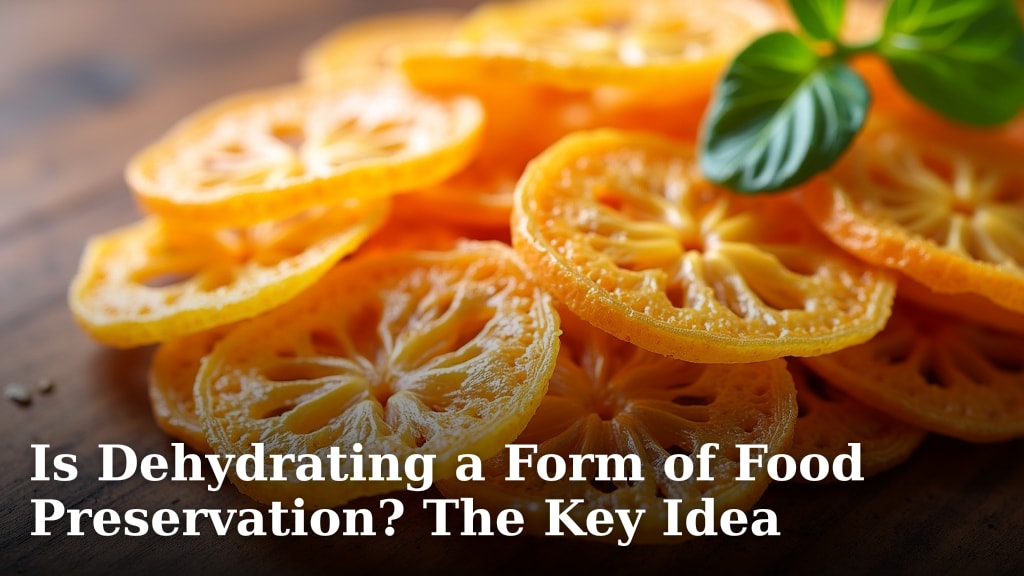
Is dehydrating a form of food preservation? Learn how removing moisture slows spoilage and where drying fits among common ways to store food.

Discover what happens to food when dehydrated. Learn about the science and benefits of removing moisture for preservation and enhanced flavor.
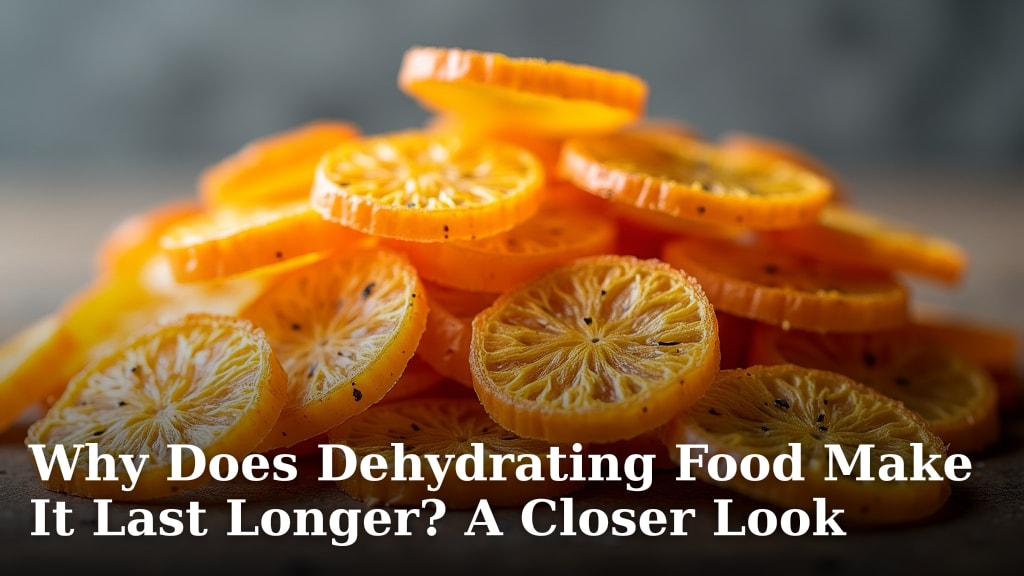
Why does dehydrating food make it last longer? Learn how removing water slows spoilage and how dry storage helps food stay usable longer in your pantry.
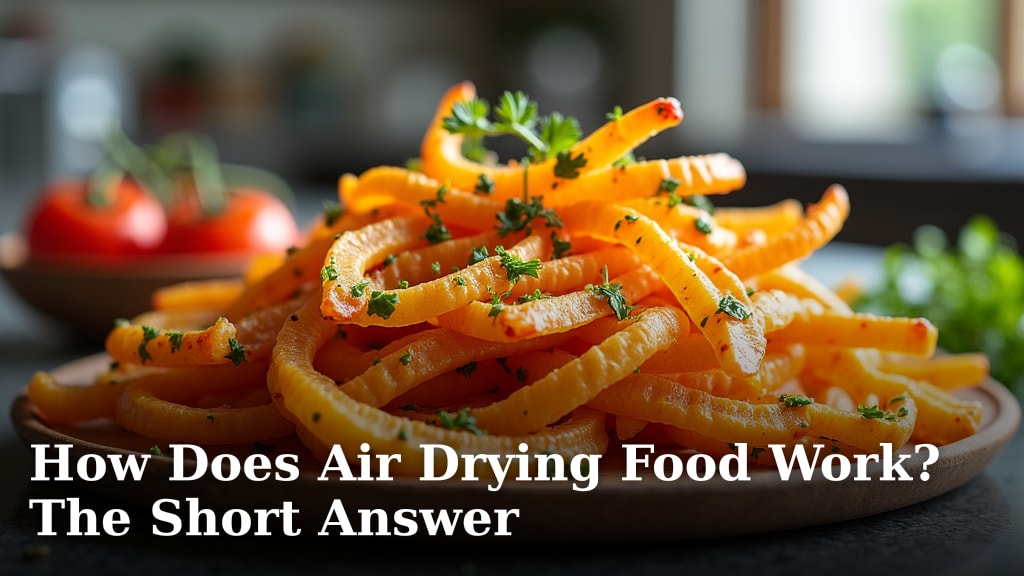
How does air drying food work? See how moving air removes moisture, which foods suit this method, and what steps help dry food safely at home.
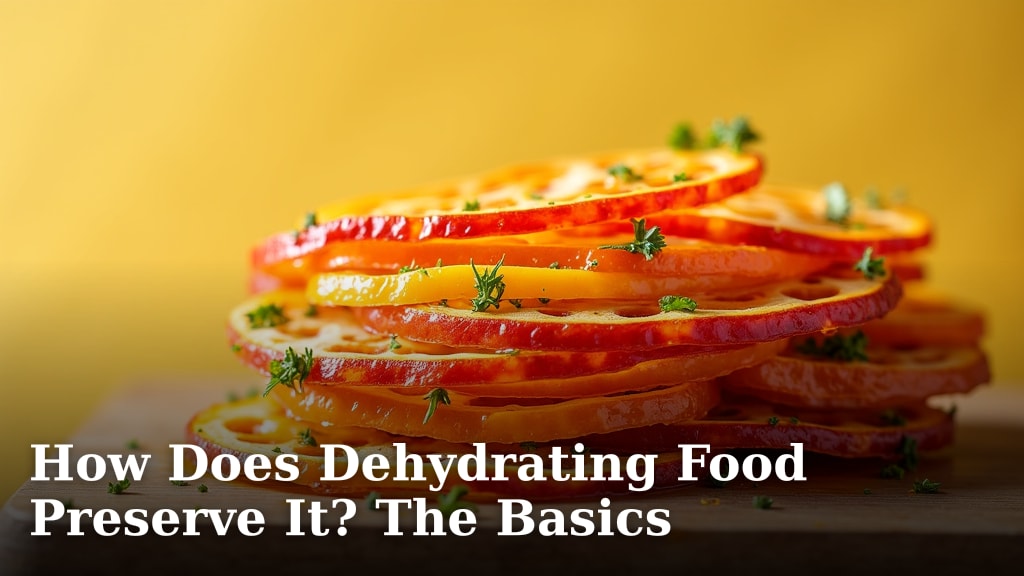
Understanding the Basics of Food Dehydration Dehydrating food works on a simple principle. It removes the moisture that spoilage needs to grow. Think of it li

What foods can be dehydrated? Explore fruits, vegetables, herbs, meat, and more, with tips on choosing foods that dry well for home storage.