How Does Dehydrating Food Preserve It? The Basics
On this page (12 sections)
- Understanding the Basics of Food Dehydration
- The Science: Why Water is the Key
- The Role of Temperature and Airflow
- Safety First: Why Dehydrating is a Safe Method
- Comparing Methods: From Sun to Electric
- What Happens to Nutrients and Flavor?
- Storing Your Dehydrated Goods
- Why Dehydrate at Home?
- Your First Dehydrating Project: A Simple Checklist
- The Bottom Line on Dehydration
- Conclusion
- Frequently Asked Questions
Understanding the Basics of Food Dehydration
Dehydrating food works on a simple principle. It removes the moisture that spoilage needs to grow. Think of it like this: bacteria, yeast, and mold are like uninvited guests at a party. They need water to thrive and cause trouble. When you take away their water source, the party is over. This method of preservation has been used for thousands of years. Today, we have better tools to do it safely and effectively.
The Science: Why Water is the Key
Microorganisms that cause food to spoil and make you sick require a certain amount of water to live and multiply. By reducing the water content in food, you create an environment where they simply cannot function. According to the USDA, most bacteria, yeasts, and molds need a water activity level (aw) above 0.85 to grow. Fresh food often has an aw above 0.99. Dehydrating lowers this level, typically to 0.6 or below, making the food shelf-stable.
How Drying Stops Spoilage
The process is less about heat and more about airflow. Warm, dry air flows over the food and absorbs moisture from its surface. This moisture then moves away. As the surface dries, moisture from inside the food moves outward. This continues until the entire piece reaches a uniformly low moisture level. The heat helps by making the air able to hold more water and by speeding up this movement.
It’s Like Being a Humidity Sponge
You can picture the process like a sponge. Fresh food is a saturated sponge full of water. The dehydrator’s fan and warm air act like a constant, gentle squeeze. They soak up the water from the sponge’s surface. The sponge’s internal structure then pulls more water to the surface to be wicked away. Eventually, you’re left with a dry, compact, and preserved version of the original.
The Role of Temperature and Airflow
Getting the right balance of heat and airflow is what makes dehydrating safe and effective. It’s not just about cranking up the heat. Too high a temperature can “case harden” the outside, sealing moisture inside. Too low a temperature can dry food so slowly that it spoils before it’s preserved.
The Sweet Spot for Most Fruits and Vegetables
For most produce, experts recommend a temperature range of 130°F to 140°F (54°C to 60°C). At this temperature, water evaporates efficiently without cooking the food. This helps retain color, nutrients, and flavor. The fan ensures a constant flow of air across the food trays. This consistent airflow is just as critical as the heat itself.
Safety First: Why Dehydrating is a Safe Method
When done correctly, dehydration is a very safe food preservation method. The low moisture environment not only stops new microbes but also inhibits the growth of dangerous ones like Clostridium botulinum. However, food must be dehydrated to the proper level and stored correctly. Proper drying and airtight storage are your safety guarantees.
Finding the “Dry” Point
How do you know when it’s done? The guidance from food safety authorities like the CDC is clear. Fruits should be pliable but not sticky. Vegetables should be brittle or hard. They should not bend; they should snap. Meats (jerky) should feel firm and leathery. Over-drying doesn’t harm safety, but it can reduce quality.
Comparing Methods: From Sun to Electric
You can dehydrate food in several ways. The core principle remains the same across all methods. The main differences are in control, speed, and reliability.
| Method | Pros | Cons |
|---|---|---|
| Electric Dehydrator | Consistent temperature and airflow. Controlled and reliable. | Requires an appliance and electricity. |
| Oven Drying | Uses a common kitchen appliance. | Uses a lot of energy. Hard to control low temperatures. |
| Sun Drying | Free. Uses natural energy. | Weather dependent. Slow. Risk of insects and contamination. |
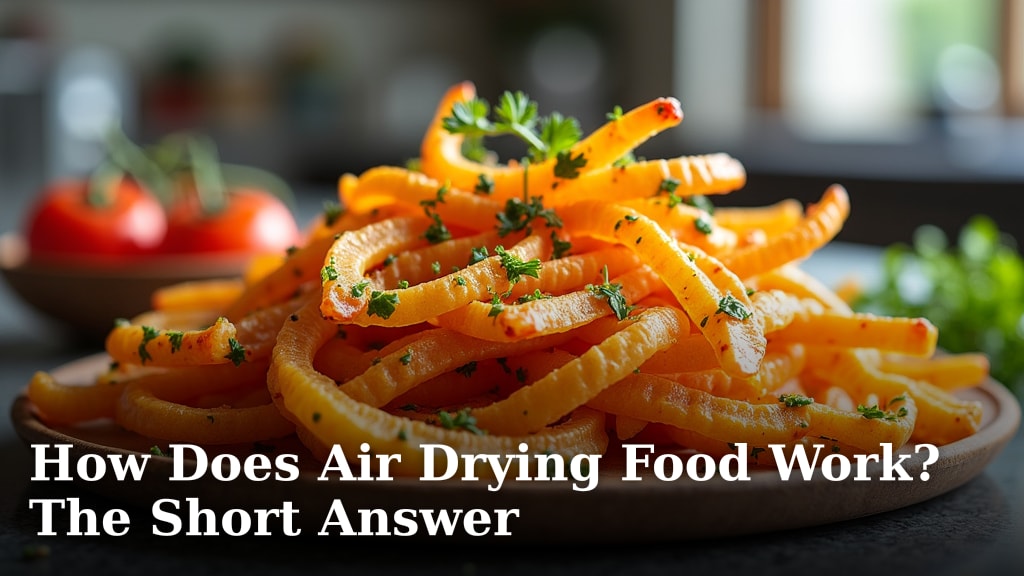
| Air Drying | Simple for herbs and chilies. | Very slow. Only suitable for certain low-moisture foods. |
What Happens to Nutrients and Flavor?
You might worry that drying zaps all the good stuff. We found that while some heat-sensitive nutrients like Vitamin C decrease, many others are preserved well, as explained in our dehydration nutrition guide. Concentrated flavor is a hallmark of dried food. The drying process intensifies natural sugars and flavors. A dried strawberry tastes incredibly sweet and potent compared to a fresh one. Minerals and fiber largely remain intact.
Pre-Treatments for Quality
Some foods benefit from a quick step before drying. A dip in a solution can help. For example, dipping apples or bananas in lemon juice prevents browning. Blanching vegetables briefly before drying can help preserve color and texture. These steps improve the final product’s quality but aren’t always necessary for safety.
Storing Your Dehydrated Goods
Your job isn’t finished when the food is dry. Proper storage is the final, critical step in preservation. Exposure to moisture or air will undo your work. Store dried food in airtight containers like vacuum-sealed bags or jars with tight lids. Keep them in a cool, dark, and dry place. Properly stored, dehydrated food can last for months or even years.
Common Storage Containers
- Mason jars: Great for herbs, spices, and small items.
- Vacuum-seal bags: Excellent for removing air, which causes spoilage.
- Food-grade plastic containers: Use with oxygen absorbers for long-term storage.
Why Dehydrate at Home?
Beyond the science, home dehydration offers practical benefits. You have complete control over ingredients. No added sugars or sulfites if you don’t want them. It’s an excellent way to reduce food waste by preserving a surplus from your garden or a big sale at the store. Many people find the process satisfying and straightforward.
Your First Dehydrating Project: A Simple Checklist
Ready to try it? Start simple. Here’s a basic checklist to get you going.
- Choose the right food: Start with something forgiving like apples, strawberries, or zucchini.
- Wash and prepare: Clean thoroughly. Slice uniformly for even drying.
- Pre-treat if desired: Consider an ascorbic acid dip to prevent browning.
- Arrange on trays: Don’t overcrowd. Leave space for air to flow around each piece.
- Set temperature and dry: Follow a trusted guide for your specific food.
- Condition before storing: Place dried food in a jar for a week. Shake daily. If condensation forms, dry it more.
The Bottom Line on Dehydration
Dehydrating preserves food by removing the water that spoilage microbes depend on. It’s a safe, simple, and traditional method. By controlling temperature and airflow, you can create shelf-stable foods at home. The process locks in concentrated flavor and makes a great snack or ingredient. It’s a straightforward way to take charge of your food’s longevity.
Conclusion
You now understand the core principle: dehydrating removes water, making food an unwelcoming place for the microbes that cause spoilage. By managing temperature and airflow, you halt their growth and create something shelf-stable. This simple method gives you control over ingredients and helps reduce food waste. It’s a reliable way to capture peak flavors from your garden or the grocery store. Your best next step is straightforward—pick one item from your first checklist and try it this week. Start simple, and build your confidence.
Frequently Asked Questions
Is dehydrated food safe to eat after years in storage?
When properly dried to the correct level and stored in airtight, cool, and dark conditions, many dehydrated foods can remain safe and high-quality for years. The key is eliminating moisture and keeping it out. Always check for signs of spoilage like off smells or mold before consuming any long-term stored food.
How can I tell if my jerky or fruit is dried enough?
The USDA provides clear guidance. Fruits should be pliable and not sticky. Vegetables should be brittle enough to snap, not bend. Meat jerky should be firm and leathery with no raw spots. If you’re unsure, it’s better to dry it a bit longer than to risk unsafe storage.
Why does my dried food sometimes get sticky or moldy after storage?
This usually means the food wasn’t dried sufficiently before storage. It could also mean it was exposed to humidity. The conditioning step mentioned in the checklist—letting dried food rest in a jar for a week—is a crucial test. If condensation forms, dry the food more before final storage.
Can I dehydrate any fruit or vegetable?
Most fruits and vegetables dehydrate well, but some are easier than others. High-moisture items like cucumbers or melons become very thin and may not be practical. Very sugary fruits can become overly sticky. It’s best to start with reliable options like apples, berries, peppers, or green beans.
Do I need to add preservatives when drying food at home?
No, you do not need preservatives. The preservation comes from removing moisture. However, some people use pre-treatments like an ascorbic acid dip to prevent browning or improve quality. These are optional and for appearance, not safety. You can achieve safe, preservative-free dried food at home.