Drying Times And Temperatures
Does Thicker Food Take Longer to Dehydrate? The Bottom Line
Thicker food generally takes longer to dehydrate. Discover the science behind dehydration times and how to optimize your results for perfectly dried food.
Find drying times, temperature settings, doneness checks, and fixes for common drying problems.
Thicker food generally takes longer to dehydrate. Discover the science behind dehydration times and how to optimize your results for perfectly dried food.

What is considered fully dehydrated? Find signs that food is dry enough, how to check different foods, and why proper dryness matters for storage.
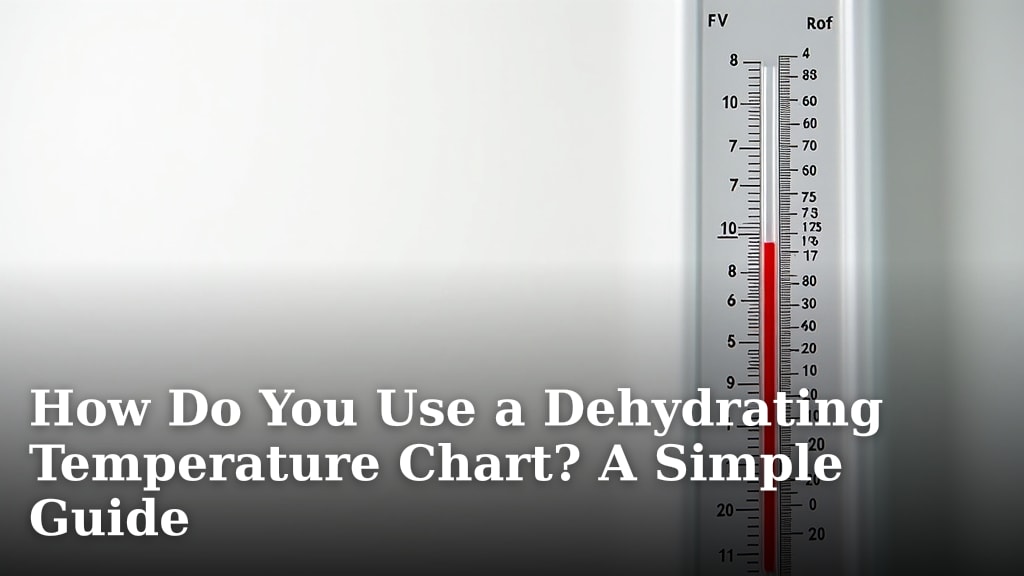
Learn how to use a dehydrating temperature chart effectively. This simple guide explains how to achieve perfect results for your dried foods.
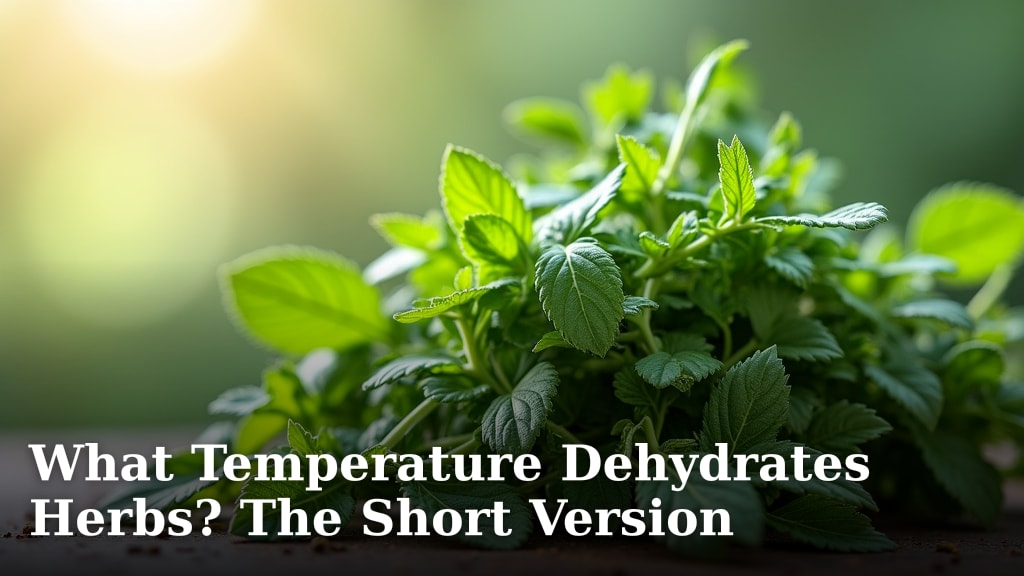
What temperature dehydrates herbs? Learn a suitable drying range, how to protect flavor and aroma, and what to check as herbs dry at home for best results.
Your dehydrated food is still soft? Discover the simple fact behind this common issue and how to achieve perfectly crisp results every time.

Learn how long it takes to dehydrate most foods. This helpful guide provides estimated times for fruits, vegetables, meats, and more.

Discover what fully dehydrated food feels like and its implications. Learn about texture changes and preservation for your food needs.
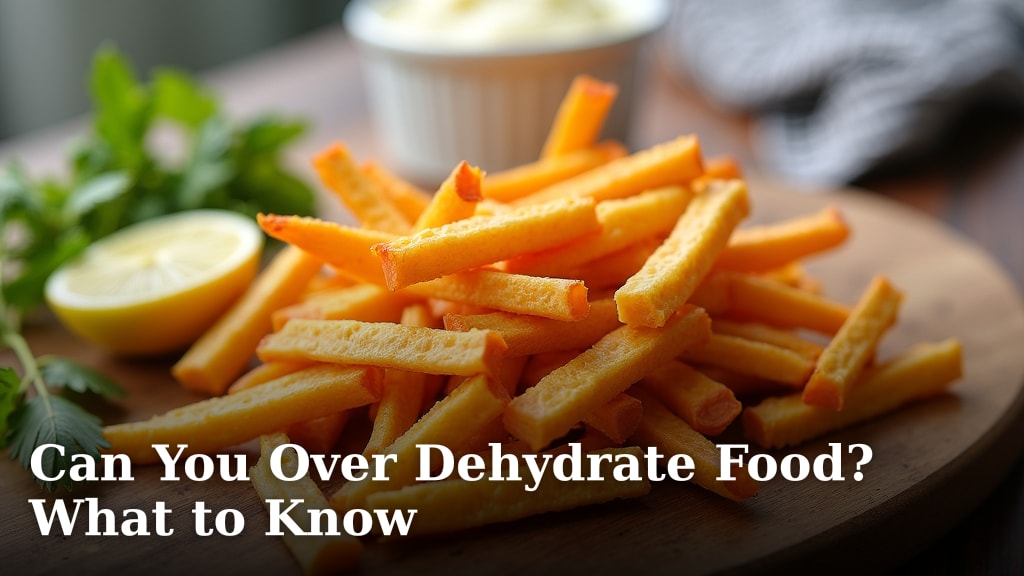
Can you over dehydrate food? Learn what happens when food dries too long, how texture and flavor change, and how to tell when to stop drying.
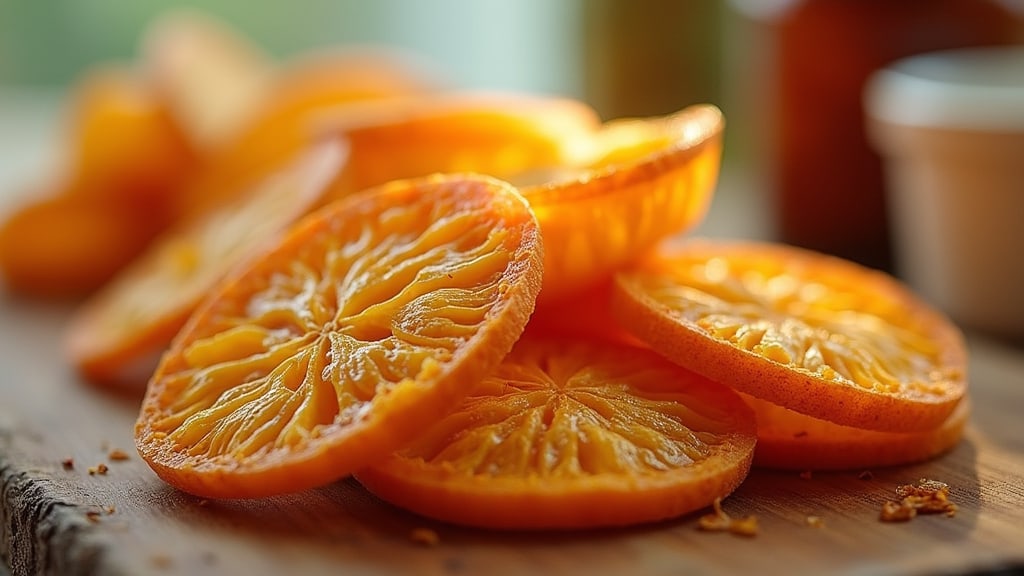
Dehydrating food too hot can ruin nutrients and texture. Learn what happens and how to avoid it for perfectly preserved food.

Unlock perfect dried foods with a dehydrating time chart explained. Learn how to achieve optimal results for fruits, veggies, jerky, and more.
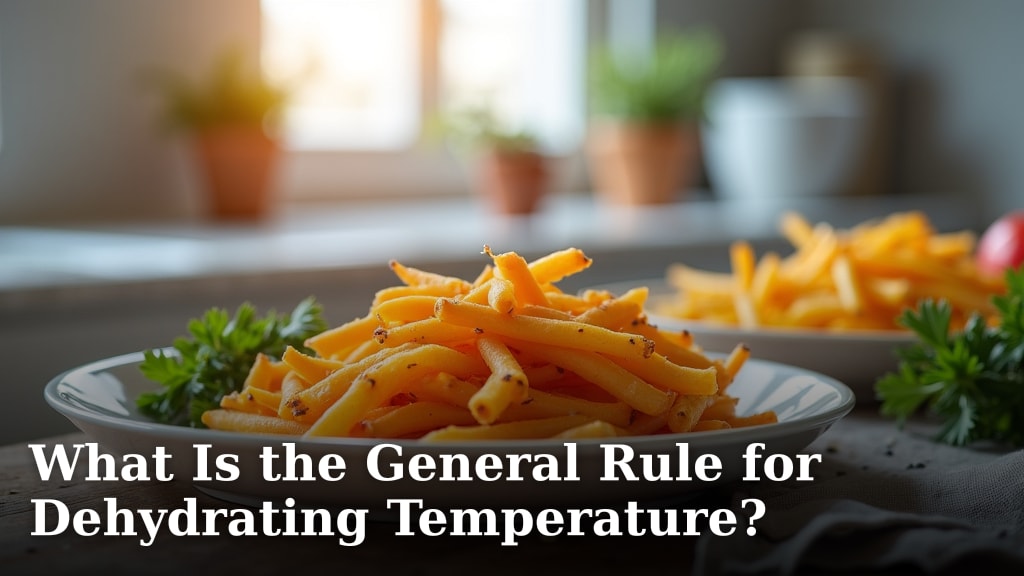
Discover the general rule for dehydrating temperature and learn the ideal heat settings for preserving your food's nutrients and flavor safely.

Discover the ideal dehydrator temperature for various foods. Learn what temperature you should set your dehydrator to for perfect results every time.
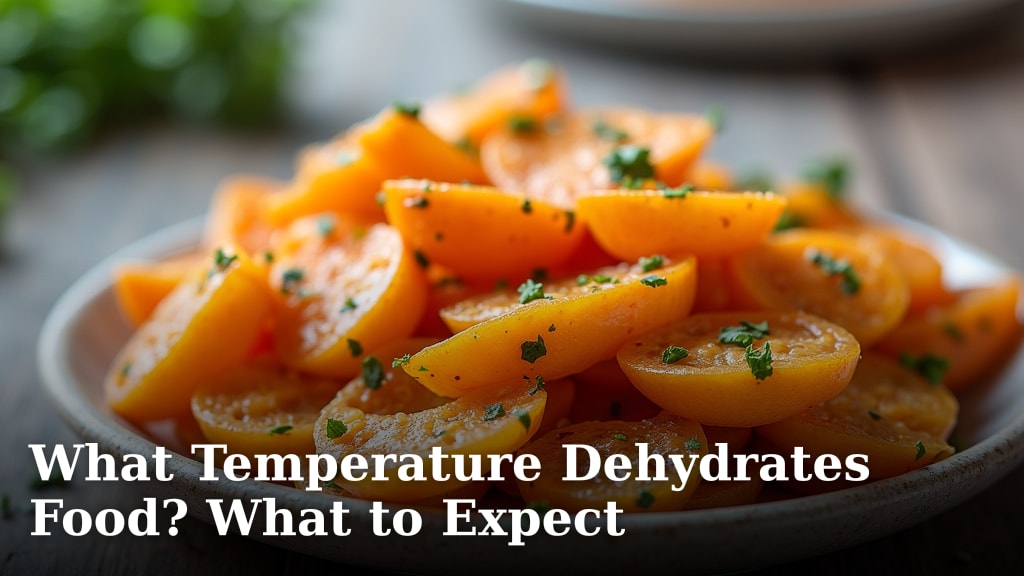
Food dehydrates most effectively between 125°F and 160°F. This temperature range gently removes water while preventing the growth of harmful bacteria. For foo