What Is the General Rule for Dehydrating Temperature?
The general rule for dehydrating temperature is to use a setting between 125°F and 140°F. This range is widely recommended by experts for most foods. It’s hot enough to effectively remove moisture. It’s also low enough to preserve nutrients and prevent cooking. Your dehydrator should ideally have a thermostat you can set.
Choosing the right temperature depends on what you’re dehydrating. For low-moisture foods like herbs, a lower temperature works best. For fruits and vegetables, a slightly higher setting is generally used. Proper dehydration prevents spoilage and ensures your preserved foods are safe. Getting this temperature right is key for success.
- The best dehydrating temperature is usually between 125°F and 140°F.
- This range helps remove moisture without cooking the food.
- Lower temps work for herbs; higher temps are good for fruits/veggies.
- A thermostat on your dehydrator is very helpful.
- Correct temps ensure food safety and nutrient retention.
So, if you’re wondering about the perfect heat for your dehydrator, let’s break down the ideal temperatures for different foods and why they matter.
Finding the Right Heat: Your Dehydrating Temperature Guide
So, you’re ready to preserve your harvest or make some tasty dried snacks. That’s fantastic! One of the most important things to get right is the temperature for your food dehydrator. The temperature you choose can make or break your dehydrating project. Too hot, and you might cook your food. Too cool, and you risk spoilage. Thankfully, there’s a general range that works for most items.
The Sweet Spot: General Dehydrating Temperature Guidelines
Most experts agree that the ideal temperature range for dehydrating is between 125°F and 140°F. Think of this as the happy medium. It’s hot enough to evaporate water efficiently. But it’s not so hot that it cooks your food or destroys important nutrients. You want to dry your food, not bake it, right?
Your dehydrator should ideally have a thermostat. This lets you set and maintain a specific temperature. If yours doesn’t, you might need to rely on guesswork and manual adjustments. This can be trickier, but not impossible. We’ll cover how to manage without a precise thermostat later.
Why This Temperature Range Matters So Much
This 125°F to 140°F range is important for a few key reasons. Firstly, it helps to kill off harmful bacteria and molds. This is critical for food safety. If the temperature is too low, these microorganisms can survive and grow. That would mean your dried food spoils quickly and isn’t safe to eat.
Secondly, this temperature range helps to preserve the nutritional content of your food. Higher temperatures can degrade vitamins and other beneficial compounds. By keeping the heat moderate, you get dried foods that are not only shelf-stable but also still packed with goodness. It’s a win-win for your pantry and your health. By keeping the heat moderate, you preserve the nutritional content of your food.
Finally, it ensures effective dehydration. The goal is to remove moisture until the food reaches a specific dryness level. This range promotes steady evaporation without steaming the food. Steaming can make food mushy. We want crispy fruit chips or chewy jerky, not soggy surprises!
Temperature Recommendations for Different Food Types
While 125°F to 140°F is the general rule, there are slight variations depending on what you’re dehydrating. Different foods have different moisture levels and structures. This means they respond best to slightly different temperatures.
Fruits: The Sun-Kissed Sweeteners
For most fruits like apples, bananas, berries, and peaches, a temperature between 135°F and 140°F is typically recommended. This higher end of the general range helps to quickly evaporate the sugars and moisture found in fruits. This prevents them from becoming sticky and prone to mold.
You’ll find that fruits dehydrate relatively quickly at these temperatures. They should become leathery or pliable, depending on your preference. For example, apple slices might become crisp, while dried apricots should remain slightly chewy. Always check your specific fruit for guidelines.
Vegetables: The Savory Stars
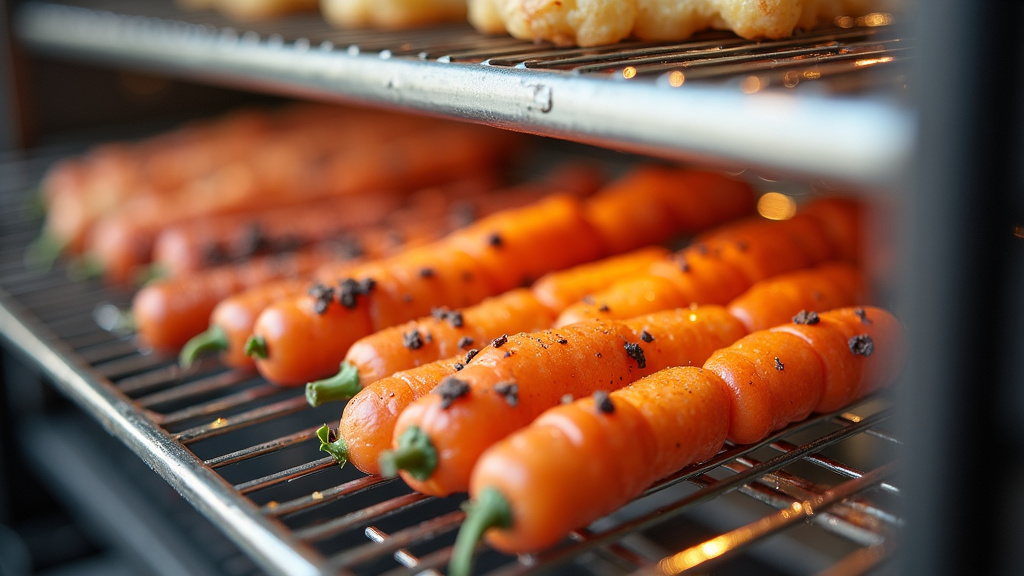
Vegetables generally do well at temperatures similar to fruits, often in the 130°F to 135°F range. This includes items like carrots, peppers, onions, and leafy greens. Some vegetables might even tolerate slightly lower temperatures.
It’s important to ensure vegetables are fully dehydrated. They should be crisp or leathery, with no soft spots. This prevents spoilage. Because vegetables have lower sugar content than fruits, they can be more susceptible to bacterial growth if not dried properly. That’s why aiming for that consistent, safe temperature is key.
Herbs: Delicate Flavors at Lower Heat
Herbs are a different story. Because they are so delicate and their essential oils can be easily damaged by heat, they require a much lower temperature. For most dried herbs, a temperature between 95°F and 115°F is best. Some sources even recommend as low as 85°F for certain highly sensitive herbs.
This gentle heat allows the water to evaporate slowly. It also helps to preserve the volatile oils that give herbs their wonderful aroma and flavor. If you use too high a temperature, you’ll end up with dull, flavorless dust instead of fragrant dried herbs. Patience is your friend here!
Meats and Jerky: Safety First!
Dehydrating meat for jerky requires a different approach, mainly due to food safety concerns. Raw meat must be treated to kill pathogens. Many experts recommend starting the dehydration process for jerky at a higher temperature, around 160°F, for the first hour or so. This initial blast of heat helps to kill bacteria.
After this initial period, you can then lower the temperature to the standard 130°F to 140°F range to complete the drying process. It’s also crucial to use lean cuts of meat and to properly marinate them. Some marinades contain ingredients that help inhibit bacterial growth. Always follow specific jerky-making guidelines from reliable sources like the USDA or university extensions for safety.
We found that using properly cured meats or pre-treating them according to food safety guidelines is essential for jerky. Skipping these steps can lead to serious health risks. Always prioritize safety when dehydrating meats.
| Food Type | Recommended Temperature Range | Notes |
|---|---|---|
| Fruits | 135°F – 140°F | Ensures quick drying, prevents stickiness. |
| Vegetables | 130°F – 135°F | Good for moisture removal without overcooking. |
| Herbs | 95°F – 115°F | Preserves delicate flavors and essential oils. |
| Meats (Jerky) | Initial 160°F for 1 hour, then 130°F – 140°F | Crucial for killing pathogens. Always follow safety protocols. |
| Crackers/Snacks | 125°F – 135°F | For items that are already low in moisture. |
What If My Dehydrator Doesn’t Have a Thermostat?
Don’t despair if your dehydrator is a simpler model! You can still achieve great results. It just requires a bit more attention and observation. Many older models or basic units have only an “on” setting or a simple dial with vague indicators like “low,” “medium,” or “high.”
Estimating and Monitoring Temperature
Your best bet is to invest in an inexpensive oven thermometer. Place it inside your dehydrator, near the heating element if possible, but away from direct airflow. Check the temperature regularly. You can then adjust your dehydrator’s setting or use trial and error to find the dial position that consistently stays within your target range.
If you don’t have a thermometer, you’ll need to go by feel and experience. Many people find that for “medium” settings on their dehydrator, it falls somewhere in the general 125°F to 140°F range. However, this can vary wildly between brands. It’s always best to get an external thermometer to be sure.
Adjusting for Humidity and Airflow
Remember that environmental factors play a role. On humid days, drying will take longer. On very dry days, it might go faster. You might need to adjust your temperature slightly or simply extend your drying time. Make sure your dehydrator trays are not overpacked. Good airflow is essential for consistent drying at any temperature.
If your dehydrator has adjustable vents, play around with them. If you’re drying something delicate like herbs, you might want to open the vents a bit more. This allows moisture to escape more easily at a lower temperature. For tougher items, you might partially close them to retain heat.
A Quick Checklist for Perfect Dehydrating Temperatures
To make sure you’re on the right track, keep these points in mind:
- Always know your target temperature range (125°F-140°F for most foods).
- Use an oven thermometer if your dehydrator lacks a precise thermostat.
- Adjust temps for specific food types like herbs or jerky.
- Monitor your food, not just the clock, to check for dryness.
- Ensure good airflow by not over-packing trays.
- Be patient! Dehydrating takes time, and weather can affect it.
Conclusion
You’ve learned that the general rule for dehydrating temperature sits comfortably between 125°F and 140°F. This range is your best friend for drying food effectively while preserving its nutrients and safety. Remember that different foods, like delicate herbs or meaty jerky, have their own specific temperature needs. Keep an eye on your dehydrator, use an oven thermometer if needed, and don’t forget good airflow.
Your next step is simple: grab your favorite fruits, veggies, or herbs and start dehydrating with confidence! You’re now well-equipped to make delicious, shelf-stable snacks and ingredients for your kitchen.
Frequently Asked Questions
What’s the absolute lowest temperature I can use for dehydrating?
While the general rule is 125°F-140°F for most foods, delicate items like herbs can be dehydrated at lower temperatures, typically 95°F to 115°F. This gentle heat preserves their fragile flavors and essential oils.
Is it safe to dehydrate meat at a lower temperature?
No, safety is key when dehydrating meat for jerky. It’s recommended to start at a higher temperature, around 160°F, for the first hour to kill pathogens. Afterward, you can lower it to the standard 130°F-140°F range.
How do I know if my dehydrator is actually at the temperature I set?
If your dehydrator doesn’t have a precise thermostat, the best way to know is to use an inexpensive oven thermometer placed inside. This allows you to monitor the actual temperature and adjust your dehydrator’s settings accordingly.
Can I use a higher temperature than 140°F if I want to dry food faster?
Using temperatures much higher than 140°F is generally not recommended. It risks cooking your food, destroying nutrients, and potentially making it too hard or brittle instead of properly dried.
What happens if I dehydrate food at too low a temperature?
Dehydrating at too low a temperature can prevent sufficient moisture removal. This increases the risk of spoilage from bacteria or mold growth, making your food unsafe to consume.