Why Is My Food Still Soft After Dehydrating? A Simple Fact
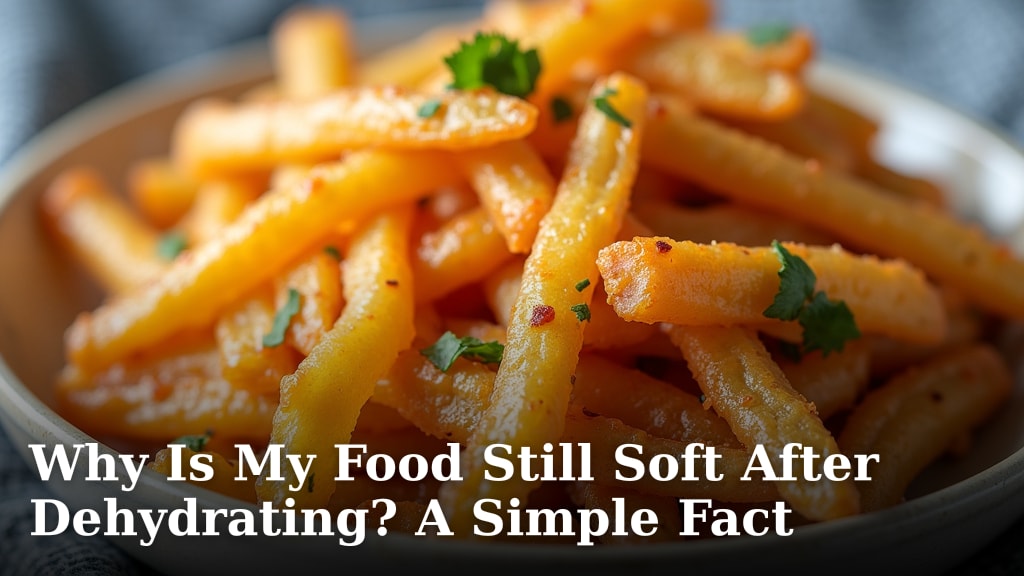
Your food might still feel soft after dehydrating because the moisture content is higher than you think. Dehydrators work by removing water, but if not done properly, some moisture remains, leaving food chewy or pliable instead of crisp. This is a common issue and usually fixable with a bit more drying time or attention to detail.
It’s disappointing when your dehydrated snacks aren’t quite right. You expect crunchy fruit chips or leathery jerky, but instead, you get something limp. Often, the problem isn’t a faulty machine but a misunderstanding of what “dry” really means for different foods. Proper dehydration ensures longer shelf life and the desired texture.
- Not enough drying time is the main culprit.
- Food pieces might be too thick or uneven.
- Humidity in your kitchen can affect drying.
- Checking for “leathery” or “brittle” is key.
Let’s look at why your food might still be soft and what you can do to achieve that perfect dry texture every time.
Troubleshooting Soft Dehydrated Food
It’s frustrating when your dehydrated food isn’t as crisp or firm as you expect. You might think your dehydrator is broken, but often, the issue is simpler. It usually comes down to moisture levels. If food still feels pliable, it means there’s still water trapped inside.
Dehydrating food is all about removing water. This process preserves the food. It also gives it a specific texture, like crunchy chips or chewy jerky. If that texture isn’t right, your food might not last as long. It also won’t be as enjoyable to eat.
Let’s get to the bottom of why your food might be staying soft. We’ll cover the most common reasons and how to fix them. This way, you can enjoy perfectly dehydrated results every time.
Understanding Dehydration Basics
The Goal: Removing Water, Not Cooking
Dehydrating isn’t cooking. It’s a drying process. The main goal is to remove enough water to prevent mold and bacteria growth. This doesn’t mean removing all water. It means reducing it to a safe level for storage. For many foods, this safe level still allows for some flexibility. For others, you want them truly brittle.
Ideal Moisture Content Varies
The target moisture content changes based on the food type. Fruits might be left slightly pliable, almost leathery. Vegetables are often dried until brittle. Meats, like jerky, should be leathery and tough. Understanding these differences is key. It helps you know what “dry” should look and feel like for each item. For instance, apples should snap. Zucchini slices might bend without breaking.
Temperature vs. Time
Dehydrators use low heat and airflow. This gently evaporates water. The temperature needs to be high enough to evaporate moisture. But it shouldn’t be so high that it cooks the food. The time needed depends on the food’s thickness and water content. It also depends on your dehydrator’s efficiency. Higher temperatures can speed things up. But they risk hardening the outside before the inside is dry.
Common Reasons for Soft Dehydrated Food
Insufficient Drying Time: The Primary Culprit
This is the most frequent reason food stays soft. You might be pulling food out too soon. It feels dry on the outside but is still moist inside. This is especially true for thicker pieces. They need more time for the heat and air to penetrate. Think of it like baking a cake. The outside might look done, but the inside is still gooey. You need to let it bake longer.
We found that many users underestimate the time needed. For example, thick-cut fruit might need 12-24 hours. Thin slices might be done in 6-8 hours. Patience is essential during the dehydration process. Always err on the side of drying a bit longer. You can always rehydrate if it becomes too dry.
Food Piece Thickness and Uniformity
Unevenly cut pieces are a major cause of inconsistent results. If some pieces are thick and others thin, they won’t dry at the same rate. The thin pieces will become brittle or even burnt. The thick pieces will remain soft and moist. This creates a mix of textures, and not the good kind.
To ensure even drying, try to cut all pieces to a similar thickness. Aim for about 1/4 inch for most fruits and vegetables. For jerky, aim for about 1/8 to 1/4 inch. Your knife skills matter here. A mandoline slicer can help achieve uniformity. This ensures that all pieces are exposed to the air equally. It leads to a much more consistent texture throughout your batch.
Airflow Obstructions
Dehydrators rely on good airflow to work effectively. If the trays are packed too tightly, or if food pieces overlap, air can’t circulate properly. This traps moisture. It creates pockets where food stays wet. You might notice some pieces are perfectly dry, while others remain soft. This is a clear sign of poor airflow.
Make sure you leave space between each food piece on the tray. Don’t let them touch or overlap. If your dehydrator seems to have weak airflow, consider using fewer trays. This allows for better circulation. Research from appliance manufacturers often highlights airflow as critical for efficient drying. Good air movement helps carry away moist air.
Humidity Levels in Your Kitchen
The surrounding environment can impact dehydration. High humidity means there’s already a lot of moisture in the air. This makes it harder for your dehydrator to pull water out of the food. It’s like trying to dry clothes on a very damp day. The process slows down significantly.
If you live in a humid climate or it’s a particularly damp day, you might need to increase drying time. Some experts suggest running a dehumidifier in the room where you’re dehydrating. This can help. It creates a drier environment. This allows your dehydrator to work more efficiently. You can find general guidelines on humidity effects from university extension offices.
Incorrect Temperature Settings
Using the wrong temperature can lead to soft food. If the temperature is too low, water evaporates very slowly. This might not be enough to achieve the desired dryness. If the temperature is too high, it can “bake” the outside of the food. This forms a tough or leathery crust. This crust traps moisture inside. The food feels soft even after a long drying period.
Different foods require different temperatures. For example, fruits generally do well at 130-140°F (54-60°C). Vegetables are often dehydrated at 125-135°F (52-57°C). Meats need higher temperatures, around 160°F (71°C), to be safe. Always consult reliable sources for recommended temperatures for specific foods. The National Center for Home Food Preservation offers detailed guidance.
How to Check if Your Food is Properly Dehydrated
The Bend Test for Fruits and Vegetables
For many fruits and vegetables, the goal is to reach a state where they are leathery or brittle. A good test is the “bend test.” Take a piece of cooled food. Try to bend it. If it’s a fruit like an apple or pear, it should snap or break cleanly. If it bends without breaking, it needs more drying time.
For vegetables, they should be brittle and easily crushed. If they bend or feel pliable, they aren’t dry enough. This test is most effective when the food has cooled completely. Warm food can feel softer than it actually is. So, let it sit for a few minutes before testing.
The Feel Test for Jerky
Dehydrated meat, or jerky, should feel tough and leathery. It shouldn’t be brittle like a vegetable chip. When you hold a piece, it should bend slightly. It should feel dry to the touch. There should be no visible moisture. Some jerky recipes aim for a pliable texture. Others are made to be very tough and chewy. You should be able to tear it, but it should resist.
A common mistake is thinking jerky should be stiff and hard. While some prefer it that way, truly dehydrated jerky should have some flex. It shouldn’t crumble like a cracker. If you can easily pinch moisture from it, it’s not dry enough. It will spoil if stored too wet.
The Crackle Test for Small Pieces
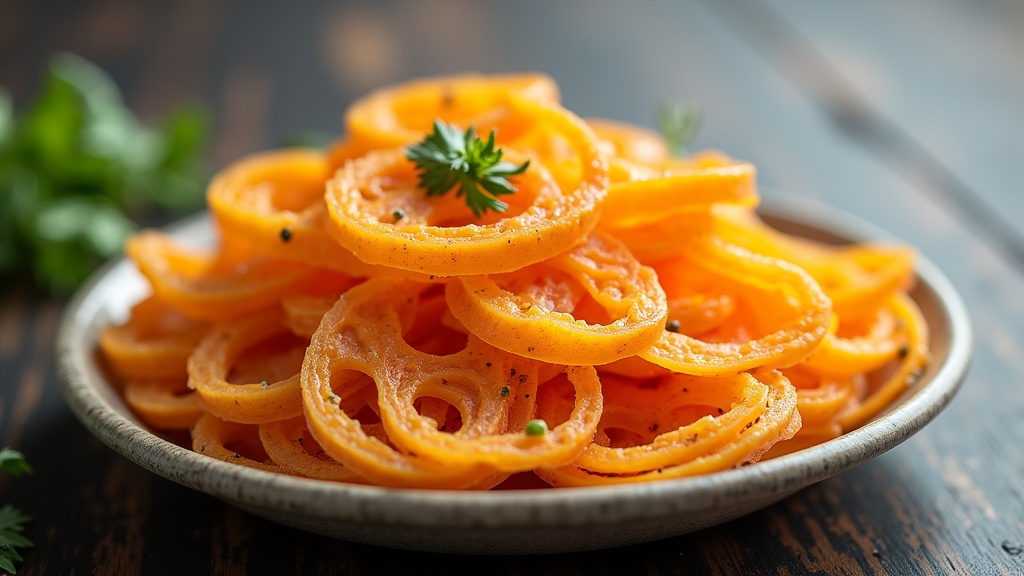
For very small, brittle items like vegetable chips (e.g., kale chips, sweet potato chips), listen closely. When you break a cooled piece, it should make a distinct “crackling” sound. It should crumble easily into pieces. If it bends or tears, it needs more time. This is similar to how a potato chip breaks.
Achieving Perfect Dehydration: A Checklist
Here’s a quick checklist to help you get perfectly dehydrated food:
- Cut food evenly: Ensure all pieces are the same thickness.
- Don’t overcrowd trays: Allow air to circulate freely.
- Use recommended temperatures: Research settings for your specific food.
- Check for dryness: Use the bend, feel, or crackle tests.
- Add more time if needed: It’s better to over-dry slightly than under-dry.
- Store properly: Ensure food is completely cool before sealing.
By understanding these factors, you can troubleshoot why your food is still soft. You can then make adjustments. This ensures your next batch is perfectly dehydrated.
Conclusion
It’s understandable to be frustrated when your dehydrated food isn’t perfectly crisp or leathery as expected. You’ve learned that the key often lies in understanding your food’s moisture content and the basics of dehydration. We found that insufficient drying time, uneven piece thickness, poor airflow, high humidity, and incorrect temperature settings are the most common culprits for soft results. Don’t get discouraged! Simply re-check your food using the bend, feel, or crackle tests, and give it a little more time in the dehydrator. Your next batch will be perfectly dry with a little patience and attention to these details.
Frequently Asked Questions
Can I re-dehydrate food that is still soft?
Yes, you absolutely can. If your food is still soft after the initial drying time, just place it back on the dehydrator trays. Continue drying it, checking it every couple of hours. It’s better to dry it a bit longer than to risk spoilage.
How can I tell if my food is *too* dry?
If your food is too dry, it will likely be extremely brittle and crumbly, almost like dust. Fruit pieces might shatter instead of snapping cleanly. While this is less common than under-drying, you can sometimes rehydrate slightly over-dried items by soaking them briefly in water, though texture may be affected.
Does the type of food matter when it comes to dryness?
Yes, it matters a lot. Fruits are often left slightly pliable or leathery. Vegetables are typically dried until brittle, meaning they should snap. Meats like jerky should be leathery and tough, not brittle. Knowing the target texture for each food type is key.
Is it safe to eat food that is still a bit soft after dehydrating?
It’s generally not recommended for long-term storage. If food retains too much moisture, it can still support the growth of mold and bacteria, which can lead to spoilage. For immediate consumption, it might be fine, but for preservation, it needs to be dried to the correct level.
How long should I expect to dehydrate different types of food?
Drying times vary greatly. Thin fruit slices might take 6-8 hours, while thicker pieces or jerky can take 12-24 hours or even longer. Factors like your dehydrator’s power, humidity, and the food’s thickness all play a role. Always check for dryness using the recommended tests rather than relying solely on time.