What Does Fully Dehydrated Food Feel Like? What This Means
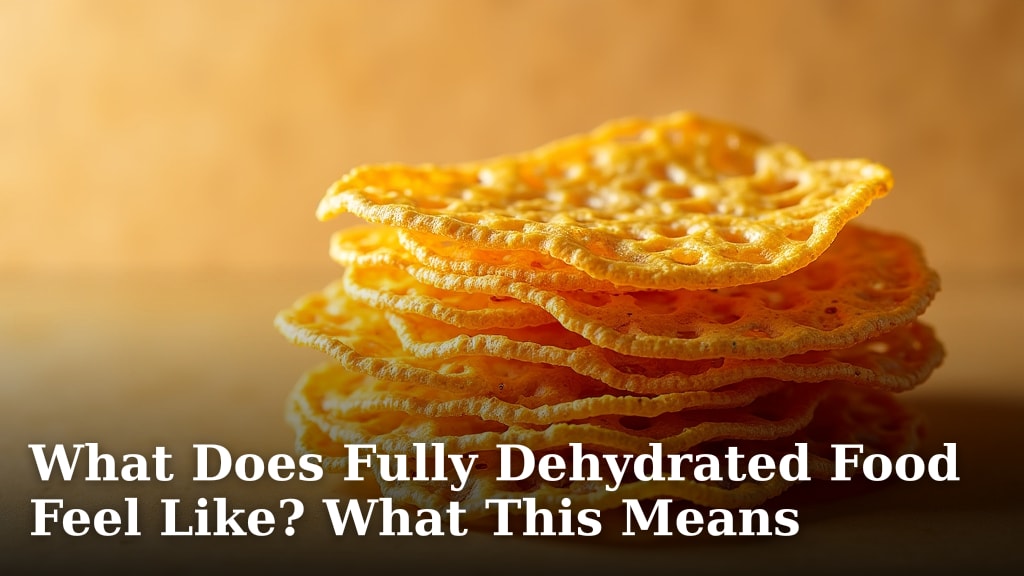
Fully dehydrated food feels dry and brittle, like a cracker or a piece of thin cardboard. It’s designed to have almost all its moisture removed. This process makes it lightweight and shelf-stable for long periods. Think of it as nature’s way of pressing the water out. This is what makes it ideal for storing or carrying.
When you rehydrate it, it should return to a state similar to its original texture. The goal is to have it taste and feel mostly like it did before. This means avoiding a chewy or rubbery texture. Proper dehydration preserves flavor and nutrients well. It’s a fascinating process that makes food last much longer.
- Fully dehydrated food is very dry and brittle.
- It should feel light and have almost no moisture.
- Rehydrating it brings back its original texture.
- The goal is to avoid a tough or rubbery feel.
- It’s a key part of making food shelf-stable.
Let’s break down exactly what you can expect from fully dehydrated food and what that means for you.
Understanding the Texture of Fully Dehydrated Food
So, you’re holding a piece of fully dehydrated food. What does it actually feel like in your hand? Imagine holding a piece of thin, dry cardboard or a crisp cracker. It’s remarkably lightweight. This is because most of the water, which makes up a large part of fresh food, has been removed. This lack of moisture is the key to its long shelf life.
You’ll notice it’s quite brittle. If you tried to bend it too far, it might snap or crumble. This dryness is intentional. It stops bacteria, yeast, and mold from growing. These microorganisms need water to survive and multiply. Removing water essentially puts them into hibernation. This is why dehydrated food can sit on a shelf for years without spoiling, provided it’s stored correctly.
The Feel of Dryness and Brittleness
When you touch fully dehydrated food, your fingers should feel absolutely no moisture. It won’t feel sticky, damp, or oily. The surface will be completely dry. Think about dried herbs or fruit leathers; they offer a similar sensation. The texture can vary slightly depending on the original food item. For instance, dehydrated vegetables might feel a bit rougher than dehydrated fruit.
The brittleness is also a tell-tale sign. It means the food has reached its target moisture content, usually below 5%. This low moisture level is crucial for preventing spoilage. If the food still feels a little pliable or soft, it might not be fully dehydrated. This could mean it won’t last as long as intended. It’s a tangible indicator of the dehydration process’s success.
Comparing Textures: What to Expect
Let’s compare it to other common food textures. It’s nothing like fresh food, which is naturally moist and pliable. It’s also different from frozen food, which feels solid and cold. It’s even distinct from canned food, which often retains a soft, sometimes slightly mushy texture from the canning process and added liquids. Dehydrated food is in its own category: bone dry and ready to be revived.
Consider a piece of jerky. While jerky is dried, it often retains some chewiness. Fully dehydrated food, especially fruits and vegetables, will be much more brittle. It’s less about a chew and more about a crisp snap or a satisfying crumble. This difference is vital for understanding how to properly rehydrate it later. You’re not aiming for a chewy texture initially; you’re aiming for maximum dryness.
The Science Behind the Feel: Moisture Removal
The feeling of dehydrated food comes down to a simple scientific principle: water removal. Dehydration methods aim to extract as much water as possible from food. This can be done through various techniques, like using a food dehydrator, an oven on a low setting, or even air drying in certain climates.
The goal is to lower the water activity (aw) of the food. Water activity is a measure of unbound water available for microbial growth and chemical reactions. By reducing this, you dramatically increase the food’s shelf life. Many food safety guidelines suggest a target water activity below 0.85 for shelf-stable products (FDA). For truly long-term storage, this number needs to be even lower, closer to 0.2-0.4.
How Different Foods Feel When Dehydrated
The exact feel can vary based on the food type and the dehydration method used. Let’s look at some common examples: The exact feel can vary based on the food type and the dehydration method used; let’s look at some common examples.
- Fruits: Dehydrated fruits like apples or mangoes can become leathery but still brittle. They might feel slightly chewy if not fully dried, but properly dehydrated fruit will snap or break. Think of a dried apricot – it’s dense and dry.
- Vegetables: Dehydrated vegetables such as peas, carrots, or corn will feel very hard and brittle. They might resemble tiny pebbles or chips. They don’t retain any softness.
- Meats: Dehydrated meat, like jerky, is a bit of an outlier. While moisture is removed, some fat and protein structure remain, giving it a chewy texture. However, for long-term storage, it also needs to be quite dry and brittle.
- Herbs and Spices: These are typically dried until they are extremely brittle and easily crumble between your fingers. This is where the dryness is most apparent.
- Cooked Meals: Dehydrated meals, like those used for camping, often consist of small pieces of vegetables, meats, and grains. They will feel light and hard, like a collection of dry, brittle fragments.
What “Fully” Dehydrated Really Means
When we say “fully” dehydrated, we mean the food has been dried to its optimal moisture level for preservation. This isn’t just about removing *some* water; it’s about removing *almost all* of it. This process requires patience and proper temperature control. Too high a temperature can cook the food or damage nutrients. Too low, and it won’t dry effectively, risking spoilage.
The term “fully” also implies that the food is ready for long-term storage. It should be safe from most common spoilage agents. If you dehydrate something and it still feels even slightly pliable or has any hint of moisture, it’s not quite “fully” dehydrated. It might be suitable for short-term use, but it won’t have that extended shelf life you’re looking for.
The Impact of Dehydration on Food Quality
The primary goal of dehydration is preservation, but it also impacts the food’s quality in several ways. The process concentrates flavors and nutrients because the water is gone. What remains is the essence of the food itself, making the taste much more intense.
However, some delicate vitamins, particularly Vitamin C and some B vitamins, can be degraded by heat and prolonged exposure to air during dehydration. This is a known aspect of the process. Thankfully, most minerals and macronutrients (proteins, fats, carbohydrates) are generally well-preserved (National Center for Home Food Preservation).
Preserving Flavor and Nutrients
When done correctly, dehydration can lock in a lot of the original flavor. You’ll notice that dehydrated fruits taste much sweeter than their fresh counterparts. This is because the sugars are concentrated. Similarly, dehydrated vegetables can have a more robust, earthy flavor. The texture changes, of course, but the taste often intensifies.
Nutritionally, it’s a mixed bag. You’re getting a more concentrated dose of calories, protein, fats, and carbohydrates per ounce because there’s no water weight. Fiber content remains high. However, as mentioned, heat-sensitive vitamins can suffer. This is why many people opt for a varied diet and might supplement if they rely heavily on dehydrated foods. You’ve learned that fully dehydrated food feels undeniably dry and brittle, and nutritionally, it’s a mixed bag.
Rehydration: Bringing Food Back to Life
The true test of fully dehydrated food is how well it rehydrates. When you add water (or another liquid), the food should absorb it and swell up. The aim is to return it to a texture that is close to its original state. This means it should become tender and moist again, not tough or rubbery.
The speed and success of rehydration depend on the food type and how it was dehydrated. Smaller, thinner pieces rehydrate faster. For example, dehydrated peas might soften in 10-15 minutes in hot water. Larger, denser items, or those that have been over-dried, might take longer or require longer cooking. Achieving the right balance means it will be palatable and enjoyable when you eat it.
Why This Texture Matters for You
Understanding the feel of fully dehydrated food is important for several reasons. Firstly, it helps you assess the quality when you buy it or when you’ve dehydrated it yourself. If it feels too soft or pliable, it might not be safe for long-term storage. You want that unmistakable dry, brittle feel.
Secondly, it helps you know what to expect when you rehydrate it. If you’re expecting a fresh, juicy apple slice and you’ve only partially rehydrated something brittle, you might be disappointed. Knowing the starting point helps you understand the process of bringing it back to a usable state for cooking or eating.
Storage and Shelf Life: A Tangible Indicator
The dry, brittle texture is your visual and tactile cue that the food is shelf-stable. If you’ve followed proper dehydration techniques and stored the food in airtight containers away from light and heat, it can last for years, sometimes even decades. Researchers have found that properly dehydrated foods can retain acceptable quality for extended periods (USDA).
Think about those MREs (Meals Ready-to-Eat) or camping food packs. They rely on dehydration (or freeze-drying, a related process) to ensure food remains safe and edible for a very long time. The feel of those components—the small, hard, dry pieces—is a direct result of the extreme moisture removal that makes them so stable.
When to Be Concerned: Signs of Improper Dehydration
You should be cautious if your dehydrated food feels anything other than completely dry and brittle. Any signs of softness, pliability, stickiness, or clumping can indicate insufficient dehydration or moisture reabsorption during storage. This means spoilage organisms might be able to grow.
This is where trusting your senses comes in. If it feels wrong, it might be wrong. Mold or an off-smell are definite signs of spoilage, but even before that, the texture can be a warning. Always store your dehydrated foods in airtight containers to prevent them from absorbing moisture from the air. This keeps that desirable brittle texture intact.
A Quick Checklist for Dehydrated Food Feel
To recap, here’s what you should look for:
- Bone Dry: No hint of moisture, even when pressed.
- Brittle: Should snap or break easily, not bend.
- Lightweight: Significantly lighter than its fresh counterpart.
- Crisp: Should have a hard, almost fragile feel.
- No Stickiness: Surfaces should not feel tacky or gummy.
- Concentrated Feel: Even the texture feels dense and compact.
Conclusion
You’ve learned that fully dehydrated food feels undeniably dry and brittle. This texture is your biggest clue to its quality and readiness for storage. It’s the absence of moisture that ensures food stays safe and lasts for years. Understanding this feel helps you check if your own dehydrated items are good to go, or if store-bought products are worth your money. So next time you handle dehydrated food, trust your touch – that bone-dry, brittle feel is exactly what you want. Now, go check your pantry and feel your dehydrated food!
Frequently Asked Questions
Can dehydrated food ever feel chewy?
Fully dehydrated food should not feel chewy. Chewiness suggests some moisture remains, which could reduce its shelf life. Properly dehydrated foods are brittle and break easily, like a cracker.
How do I know if my homemade dehydrated food is dry enough?
Your homemade dehydrated food is dry enough when it feels completely brittle and snaps easily. It should have no pliability or tackiness. If it bends or feels slightly soft, it needs more drying time.
Does the feel of dehydrated food change over time?
The feel of dehydrated food should remain consistently dry and brittle if stored correctly in airtight containers. If it starts to feel softer or sticky, it might be absorbing moisture from the air.
What’s the difference in feel between dehydrated and freeze-dried food?
Dehydrated food typically feels hard and brittle. Freeze-dried food, while also very dry, often retains a lighter, more porous texture and can sometimes rehydrate more quickly and return closer to its original shape.
Can I still taste the food if it feels that dry and brittle?
Yes, absolutely! The dry, brittle texture means the flavor is concentrated. When you add liquid to rehydrate it, you’ll find the taste is very similar to the original food, often even more intense.