Does Dehydrating Preserve Vitamin C?
Dehydrating can preserve some vitamin C, but it usually reduces the amount in fresh food. Heat, oxygen, preparation, and drying time all affect how much remains.
On this page (8 sections)
- Does dehydrating preserve vitamin C?
- Why does vitamin C change during drying?
- Does food preparation affect vitamin C retention?
- Does a food dehydrator preserve more vitamin C than other methods?
- How should you choose a drying temperature?
- How should you store dried food to protect what remains?
- Which products can help with dehydrating foods?
- Does dehydrating preserve vitamin C well enough to choose it?
Dehydrating can preserve some vitamin C, but it usually reduces the amount in fresh food. Vitamin C is sensitive to heat and oxygen, so the food, preparation, drying conditions, and storage all influence how much remains.
Drying removes water, which helps slow spoilage and makes food lighter to store. It does not freeze a food's nutrient profile in place, and vitamin C can decline during preparation and drying.
Does dehydrating preserve vitamin C?
Yes, some vitamin C may remain after dehydrating, but the process can cause losses. The exact amount varies by food and by the time and temperature used to dry it.
Vitamin C is water soluble and can be affected by heat and exposure to air. Cutting food exposes more surface to oxygen, while long drying times create more opportunity for nutrients to change.
That does not make dried food nutritionally empty. It means you should treat vitamin C retention as variable rather than assume a fixed percentage for every batch.
Why does vitamin C change during drying?
Heat and oxygen are two main reasons vitamin C can decline during dehydration. The food's natural acidity, ripeness, cut size, and starting vitamin C level also matter.
A low drying temperature may reduce heat exposure, but it can take longer to remove moisture. A higher temperature may shorten the drying period, yet expose the food to more heat.
The best balance depends on the food and your dehydrator.
Moisture removal also concentrates what remains per unit of weight. A small portion of dried fruit weighs less than the same amount of fresh fruit, so concentration by weight is not proof that no vitamin C was lost.
For the larger preservation picture, read How Does Dehydrating Food Preserve It? The Basics.
It explains how removing moisture helps limit the conditions that support spoilage.
Does food preparation affect vitamin C retention?
Yes, how you prepare food can affect vitamin C before drying even begins. For a tomato-specific process, see how to dehydrate cherry tomatoes.
Wash produce promptly, cut it evenly, and move it to the dehydrator without unnecessary soaking or delay.
Blanching can help prepare some vegetables for drying, but hot water may also leach water-soluble nutrients. Follow guidance for the specific vegetable instead of blanching every food by default.
Thin, even slices tend to dry more consistently than thick or uneven pieces. That can help you avoid leaving some pieces exposed to drying conditions longer than needed while waiting for thicker ones to finish.
Do you lose nutrients when dehydrating apples?
Apples can lose some nutrients during drying, and the amount depends on the process. The same general factors that affect vitamin C in other fruit apply to apples.
Apple variety, ripeness, slice thickness, pretreatment, and drying conditions can all influence the result. See Do You Lose Nutrients When Dehydrating Apples? for more detail on apple nutrients.
Does a food dehydrator preserve more vitamin C than other methods?
A food dehydrator gives you control over airflow and temperature, but it does not guarantee a specific vitamin C level. Other drying methods can also preserve some vitamin C, with results that depend on the food and process.
Sun drying may expose food to changing temperatures, light, humidity, and airflow. Oven drying can work, but the lowest setting and air circulation vary from oven to oven.
A dehydrator is designed to move air through food as it dries.
Read How Does a Food Dehydrator Work? for an explanation of how heat and airflow move moisture away. Whatever method you use, avoid guessing at a universal drying time.
How should you choose a drying temperature?
Use a temperature suited to the food and follow a reliable guide for its preparation and doneness. No single temperature preserves vitamin C best for every ingredient.
A temperature chart helps you set a starting point, but slice size, load, humidity, and equipment can change how long drying takes. Check several pieces in different parts of the tray before deciding the batch is done.
Use How Do You Use a Dehydrating Temperature Chart? A Simple Guide to interpret food-specific settings.
The general rule for dehydrating temperature can also help you understand why safe, even drying matters.
How should you store dried food to protect what remains?
Keep dried food sealed, cool, dark, and dry. Air, light, heat, and moisture can reduce quality during storage, and moisture can create a food-safety problem.
Let food cool before packing it, then use a clean, airtight container. Store it away from the stove, a sunny window, and damp areas such as a sink cabinet.
Follow safe storage guidance for each food and check containers for condensation or signs of moisture.
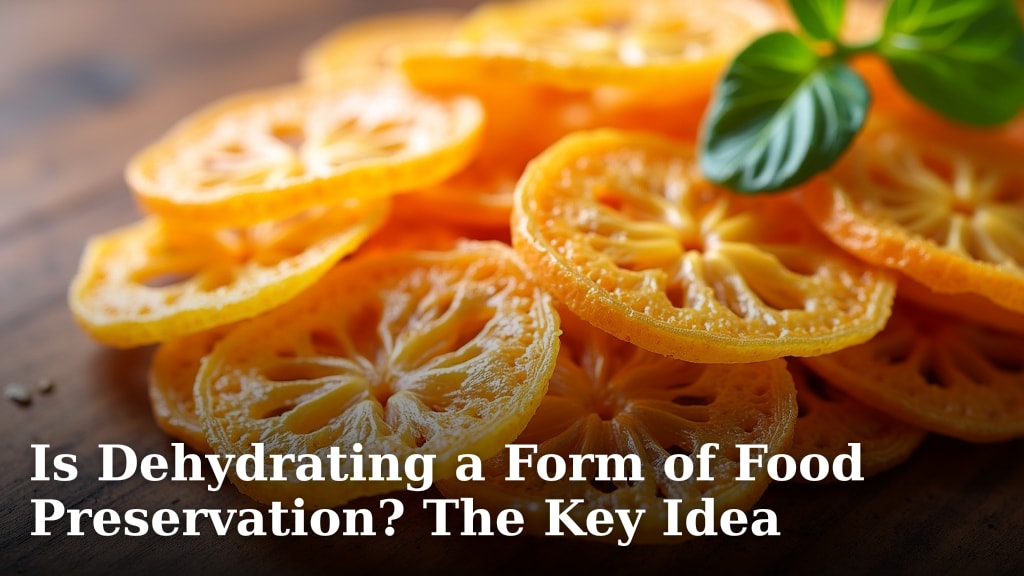
Dehydrating is one form of preservation, as explained in Is Dehydrating a Form of Food Preservation? The Key Idea, but dried food still needs proper handling.
Which products can help with dehydrating foods?
A reference cookbook can help you find preparation, temperature, and time guidance for different foods. The Ultimate Dehydrator Cookbook includes individual entries for berries, fruits, vegetables, greens, herbs, and edible flowers.
For dehydrated spinach as a pantry ingredient, Harmony House dried spinach flakes are made for use in recipes such as soups, stews, sauces, and smoothies. Their nutrient content should not be treated as a guarantee of a specific vitamin C amount.
Does dehydrating preserve vitamin C well enough to choose it?
Choose dehydration when you want shelf-stable food and accept that some vitamin C may be lost. If keeping vitamin C is your main goal, compare drying with fresh, frozen, or other options using nutrition information for the specific food.
For better retention, prepare produce efficiently, use an appropriate food-specific temperature, avoid unnecessary delays, and store the finished food in a sealed container away from heat, light, air, and moisture. Those steps can help, but they do not ensure that all vitamin C remains.
Frequently asked questions
Does dehydrating destroy all vitamin C?
No, dehydrating does not always destroy all vitamin C, but drying can reduce it. Vitamin C is sensitive to heat and oxygen, so the amount that remains depends on the food, its preparation, and the drying conditions.
Store dried food in a sealed container away from heat, light, and moisture.
Does freeze drying preserve more vitamin C than dehydrating?
Freeze drying often retains more vitamin C than hot air drying because it uses low temperatures and removes water under reduced pressure. Results still vary by food and process.
If vitamin C is your main concern, compare tested nutrition data for the specific food and method rather than assuming all dried foods are alike.
Does dehydrating fruit make it more nutritious?
Dehydrating removes water, so a serving of dried fruit is more concentrated by weight than fresh fruit. That does not mean it contains more vitamin C overall: heat and air exposure can reduce some nutrients during drying.
Compare equal starting amounts or serving sizes when judging nutrient content.
How can I reduce vitamin C loss when dehydrating food?
Use clean, ripe food, slice it evenly, and dry it promptly at a temperature suited to that food. Avoid unnecessary soaking and long delays before drying, and protect finished food from air, light, heat, and moisture.
These steps may limit losses, but they cannot guarantee that vitamin C will be fully retained.