
Why Do Dehydrators Have a Fan? A Quick Answer
The fan in your food dehydrator is there to circulate air. This constant airflow is essential for removing moisture from your food. Without it, your dehydrator wouldn’t be able to dry food efficiently or evenly, leaving you with a disappointing result. It’s the key to achieving that perfect jerky or dried fruit.
Think of it like a convection oven, but for drying. The fan ensures that hot air reaches all surfaces of your food. This helps to prevent mold growth and ensures a safe and delicious final product. Many experts agree that proper air circulation is the most critical factor in successful dehydration.
- The fan’s main job is to move air.
- This air movement dries your food quickly.
- It helps dry food evenly on all sides.
- Proper airflow prevents spoilage and mold.
Let’s look at why that fan is so important and how it helps you get the best results from your dehydrator.
“`htmlThe Essential Role of the Fan in Your Food Dehydrator
Have you ever wondered why your food dehydrator has a fan? It’s not just for show or to make a whirring sound. That fan is the unsung hero of your dehydrating process. Its primary job is to keep air moving consistently. This movement is absolutely vital for effectively removing moisture from your food.
Without this constant circulation, your dehydrator would struggle to dry food evenly. You might end up with pieces that are crispy on the outside but still moist inside. This uneven drying can lead to spoilage or even mold growth. The fan ensures that all parts of your food get exposed to the drying air.
How Air Circulation Works for Drying Food
Think about how you dry laundry on a breezy day versus a still one. The breeze helps the clothes dry much faster. Your dehydrator’s fan acts like that breeze, but in a controlled environment. It creates a steady flow of air over and around your food.
The Science Behind Moisture Removal
Dehydrating food is essentially about removing water. Water is what allows bacteria, yeasts, and molds to grow. By lowering the moisture content below a certain level, you make the food inhospitable to these spoilage agents. The fan plays a direct role in this water removal.
As the dehydrator heats the air, that warm air becomes capable of holding more moisture. The fan then takes this warm, moisture-laden air and pushes it away from the food. It replaces it with more warm, dry air. This continuous exchange is what efficiently wicks the moisture out of your food. It’s a simple yet effective process.
Preventing Hot Spots and Cold Spots
Many modern ovens use a fan for convection cooking. This helps ensure even heat distribution. A dehydrator fan works on a similar principle for drying. It prevents the formation of hot spots and cold spots within the drying chamber.
If air couldn’t move freely, the air near the heating element would get very hot. Air further away would remain cooler. This uneven temperature would cause some food items to dry much faster than others. The fan mixes the air, creating a more uniform drying temperature throughout the entire unit. This consistency is key for good results.
Even Drying: The Key to Quality Results
You want your dried fruit to be equally chewy, or your beef jerky to have the same satisfying texture throughout, right? This is where the fan’s role in even drying becomes incredibly important. No one likes biting into a piece of food that’s dry in one spot and unpleasantly moist in another.
What Happens Without Proper Airflow
Let’s imagine a dehydrator without a fan. The air closest to the heating element might get warm, but it would quickly become saturated with moisture from the food. This humid air would then surround the food, slowing down the drying process. Moisture would get trapped, and the food might not dry at all.
Moreover, without air movement, the parts of the food facing away from the heating element would receive very little heat or airflow. These areas would remain damp and cool. This is a recipe for uneven dehydration and potential spoilage. You might even see mold starting to form in these damper sections.
Achieving Consistent Texture and Flavor
When the fan circulates air effectively, every piece of food on every tray gets a similar drying experience. This leads to a consistent texture across all your dehydrated items. Whether you’re drying delicate herbs or sturdy root vegetables, even drying ensures quality.
This consistency also impacts flavor. When food dries evenly, its natural sugars and flavors concentrate uniformly. This results in a more enjoyable and predictable taste. You can be confident that each bite will deliver the delicious flavor you expect from properly dried food.
The Fan’s Role in Food Safety
Beyond just making your food taste good and have a nice texture, the fan contributes directly to the The fan contributes directly to the safety of your dehydrated foods by ensuring proper drying.safety of your dehydrated foods. This is a critical function that many people might overlook.
Preventing Microbial Growth
As we’ve mentioned, bacteria, yeasts, and molds need moisture to thrive. Food dehydration works by reducing moisture to levels that inhibit this growth. The fan is essential for achieving these low moisture levels quickly and evenly.
When food dries too slowly or unevenly, it spends more time in the “danger zone.” This is the temperature range where microbes can multiply rapidly (between 40°F and 140°F, according to the CDC). A well-functioning fan helps speed up the drying process, moving food out of this danger zone more quickly and reducing the risk of spoilage A well-functioning fan helps speed up the drying process, reducing the risk of spoilage..
Maintaining Optimal Drying Temperatures
Dehydrators are designed to operate within specific temperature ranges. These temperatures are high enough to encourage moisture evaporation but low enough to preserve nutrients and prevent cooking. The fan helps maintain these optimal drying temperatures throughout the unit.
By circulating the air, the fan ensures that the heat from the element is distributed evenly. This prevents localized overheating, which could degrade food quality or even make it unsafe. It also ensures that even the food on the lower racks receives adequate warm air. This consistent temperature management is vital for a safe and effective dehydration process.
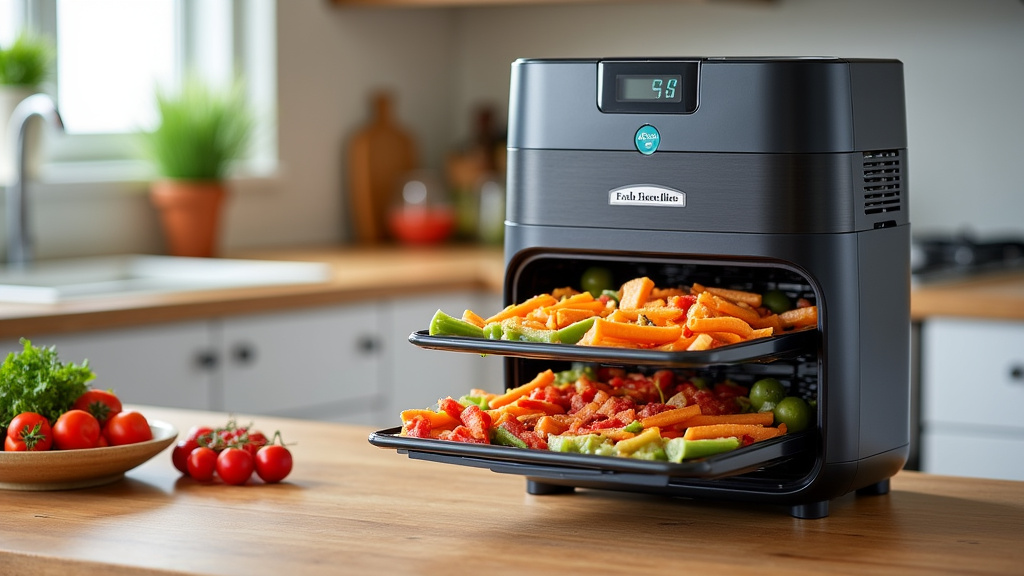
Comparing Dehydrators With and Without Fans
While most modern dehydrators come equipped with fans, some older or very basic models might not. Understanding the difference can help you appreciate the technology and choose the best appliance for your needs.
The Limitations of Fanless Dehydrators
Fanless dehydrators rely solely on passive heat and convection. This means the warm air rises naturally, and the unit attempts to dry food through this gentle airflow. However, without a fan to force circulation, drying is typically much slower and less efficient.
You’ll often need to rotate trays manually and may still experience uneven drying. This makes them less ideal for large batches or for foods that require precise drying. They can work for some applications, but they are significantly less effective than units with fans. Many experts note that fanless models often struggle to achieve the low moisture levels required for long-term preservation (National Center for Home Food Preservation).
The Advantages of Fan-Equipped Models
Dehydrators with fans offer a host of advantages. They provide faster drying times because the air is constantly being moved and refreshed. This leads to more efficient energy use over time, as the appliance doesn’t have to work as hard to achieve the desired dryness.
The most significant benefit is the superior evenness of drying. This results in higher quality finished products with consistent texture and flavor. Furthermore, the improved airflow contributes to better food safety by reducing the time food spends in the bacterial danger zone. For most home users, a dehydrator with a fan is the clear choice for achieving reliable results.
Tips for Maximizing Your Dehydrator’s Fan Efficiency
Now that you understand how important the fan is, you’ll want to make sure it’s working as effectively as possible. A few simple practices can help you get the most out of your dehydrator.
- Ensure the air vents are not blocked. Food particles or debris can accumulate and restrict airflow.
- Do not overfill your trays. Leave some space between food items for air to circulate freely.
- Periodically check that the fan itself is clean and spinning properly.
- If your dehydrator has adjustable fan settings, choose the appropriate one for your food type.
Following these small tips will help ensure your dehydrator’s fan is doing its job perfectly, leading to deliciously dried foods every time.
“`Conclusion
You’ve learned that the fan in your food dehydrator is far more than just a moving part. It’s your key to efficient, even drying. This constant air circulation is what prevents spoilage, reduces drying time, and ensures your jerky and fruit reach that perfect texture. Without the fan, you’d face longer waits and inconsistent results. Now you know its vital role in achieving safe, delicious, and well-preserved foods right in your own kitchen. Next time you dehydrate, take a moment to appreciate that fan’s hard work!
Frequently Asked Questions
Does the fan in my dehydrator also heat the food?
No, the fan itself does not produce heat. Its job is to circulate the warm air generated by the heating element within the dehydrator. This movement ensures that the heat reaches all your food evenly, aiding in the drying process.
Can I turn off the fan if I want to dry food more slowly?
It’s generally not recommended to turn off the fan. Dehydrators are designed with the fan running to ensure proper airflow and prevent moisture buildup. Turning it off would lead to very slow, uneven drying and increase the risk of spoilage.
How often should I clean the dehydrator’s fan?
You should clean the fan and the fan area periodically, perhaps every few uses or whenever you notice debris buildup. Food particles can get drawn into the fan housing and restrict airflow, reducing its efficiency.
Will a dehydrator without a fan still work?
Yes, some basic dehydrators work without a fan, relying on passive convection. However, these units are typically much slower and less efficient. They often struggle to achieve even drying, making them less suitable for many types of food preservation.
Is a dehydrator with a fan louder than one without?
Dehydrators with fans will naturally make some noise from the motor and air movement. Fanless models are generally quieter because they lack these components. However, the noise level can vary significantly between different dehydrator models, with or without fans.