What Is a Mesh Dehydrator Sheet? A Closer Look
A mesh dehydrator sheet is a reusable, non-stick liner for your food dehydrator trays. It helps keep small foods from falling through the tray slots. It also ensures even airflow for better drying. These sheets are a simple but effective tool for any dehydrator user. Our guide to what foods can be dehydrated explains the possibilities.
You might be wondering if these sheets are really necessary. We found that they make a big difference. They prevent sticky foods like fruit roll-ups from clinging to the tray. They also help keep herbs and spices from disappearing. Think of them as your dehydrator’s trusty sidekick.
- Mesh dehydrator sheets are reusable liners.
- They prevent small foods from falling through trays.
- They ensure better, more even airflow.
- They stop sticky foods from sticking.
- They make cleanup much easier.
Ready to see why these sheets are a dehydrator must-have? Let’s take a closer look at what makes them so handy for your kitchen creations.
You’ve seen those little mesh mats that go on your dehydrator trays. They look simple, but they do a lot for your food drying projects. Let’s break down what they are and why you might want to use them.
Understanding Your Mesh Dehydrator Sheet
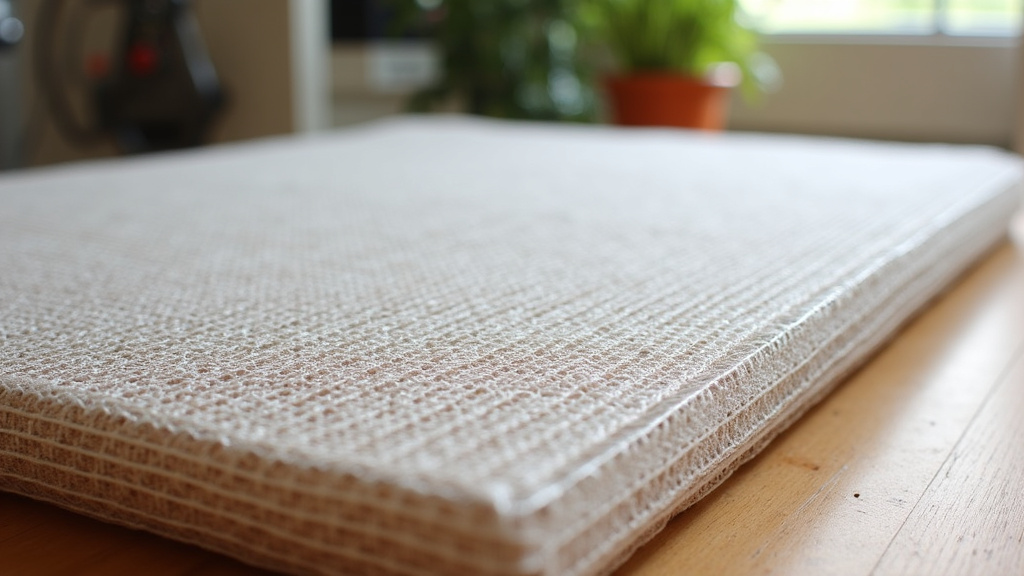
A mesh dehydrator sheet is a flexible liner designed to sit directly on your dehydrator’s drying trays. Think of it like a fine-mesh sieve for your dehydrator. Its primary job is to create a barrier. This barrier keeps small food items contained. It also helps air circulate freely. Most are made from food-grade silicone or plastics. They are built to withstand the consistent heat of a dehydrator.
What Are They Made Of?
You’ll typically find these sheets made from a few common materials. Silicone is a popular choice. It’s heat-resistant, flexible, and naturally non-stick. This makes cleanup a breeze. Some are made from BPA-free plastics. These are also designed to handle dehydrator temperatures. The key feature is the mesh pattern. This pattern allows air to pass through easily. It prevents moisture from getting trapped underneath your food.
The Mesh Design: More Than Just Holes
The holes in the mesh aren’t just random. They are sized to allow proper airflow. This is critical for efficient drying. If the holes were too big, small foods would fall through. If they were too small, air circulation could be blocked. The weave pattern is usually quite tight. This ensures that even tiny herbs or seeds stay put. It also prevents sticky foods from spreading and creating a mess.
Why Use a Mesh Dehydrator Sheet? The Core Benefits
So, why bother with these sheets? They solve several common dehydrating frustrations. They aren’t just a nice-to-have; they can improve your results. Let’s look at the main reasons people use them.
Keeping Small Foods in Place
This is perhaps the most obvious benefit. Ever tried to dehydrate berries, herbs, or even thinly sliced vegetables? Without a liner, many of these items can slip through the tray slots. This means wasted food and a messy dehydrator. A mesh sheet acts like a gentle net. It holds these small items securely on the tray. Your peas will stay peas, not become tray-bottom dust.
Preventing Sticky Food Sticking
Foods like fruit leathers or anything with a sticky glaze can be a nightmare to remove from dehydrator trays. They cling like glue. Mesh sheets offer a non-stick surface. This makes peeling dried foods off much easier. You’ll spend less time scraping. More time will be spent enjoying your creations. This is especially helpful for delicate items.
Ensuring Even Airflow and Drying
Dehydrators rely on constant airflow. This removes moisture from food. If trays are too solid, or if food blocks the vents, drying can be uneven. The mesh design allows air to move freely. It circulates around and under the food. This leads to more consistent drying. You’ll likely notice less need to rotate trays. Your food should dry more uniformly. This means better texture and shelf life.
Making Cleanup a Breeze
Let’s be honest, cleaning dehydrator trays can be a chore. Sticky residue, dropped bits, and dried-on stains are common. A mesh sheet simplifies this greatly. You can often just wipe the sheet down. Sometimes, a quick rinse is all that’s needed. If the food was particularly messy, you can remove the sheet and wash it separately. This keeps the actual trays much cleaner. It saves you significant scrubbing time.
How to Use Your Mesh Dehydrator Sheets
Using these sheets is incredibly straightforward. You don’t need any special skills. It’s a simple addition to your dehydrating routine.
Placement is Key
Always place the mesh sheet directly on top of your dehydrator tray. Ensure it lies flat. Most sheets are cut to fit standard tray sizes. If yours is a little oversized, it’s usually not a problem. Just make sure it doesn’t obstruct the tray’s edges too much. You want it to cover the main drying surface.
Loading Your Food
Arrange your food items on top of the mesh sheet. Don’t overcrowd the tray. Proper spacing is important for airflow, whether you’re using a liner or not. For sticky items, ensure they have a relatively even layer. This helps prevent them from pooling and sticking too much, even with the non-stick surface.
Cleaning and Storing
After you’ve finished dehydrating, remove the mesh sheet. For most jobs, a damp cloth will wipe away residues. If food has dried on, you can use warm, soapy water. Many silicone sheets are dishwasher safe. Always check the manufacturer’s instructions. After cleaning and drying, store them flat. This prevents them from getting creased or damaged.
Are Mesh Dehydrator Sheets Right for You?
Consider your dehydrating habits. Do you often dry small items like herbs, seeds, or small fruits? Do you make fruit roll-ups or other sticky confections? If you answered yes to either of these, a mesh sheet is likely a very good investment. They take a common dehydrating problem and offer a simple solution.
A Simple Upgrade for Better Results
Think of them as an upgrade to your dehydrator’s performance. They don’t change the fundamental drying process. But they do make that process smoother and cleaner. Many users find they wouldn’t go back to dehydrating without them. It’s a small item that makes a big difference in your kitchen. Learn about dehydrated food healthiness in our detailed guide.
Quick Checklist: Is a Mesh Dehydrator Sheet Worth It?
- Do small foods fall through your trays?
- Do sticky items cling stubbornly to your trays?
- Are you looking for easier cleanup after dehydrating?
- Do you want to ensure more even drying?
- Do you dry herbs, seeds, or small berries often?
- Would you like less scraping and more enjoying?
If you checked yes to any of these, you’ll probably find a mesh dehydrator sheet very useful. They are an affordable way to improve your dehydrating experience.
Comparing Mesh Sheets to Other Tray Liners
While mesh sheets are popular, other liners exist. Understanding the differences helps you choose.
Parchment Paper vs. Mesh Sheets
Parchment paper is a common household item. You can cut it to fit your trays. It offers a non-stick surface for sticky items. However, it’s a single-use item. You’ll need to replace it after each batch. Also, parchment paper can sometimes restrict airflow more than a mesh liner. It doesn’t have the open weave. This can lead to slightly longer drying times.
Excalibur Brand Trays vs. Mesh
Some dehydrator brands, like Excalibur, offer trays with smaller slots. These can sometimes prevent small items from falling through. However, they still don’t offer the full non-stick benefit of a mesh liner. And if your dehydrator doesn’t have these specially designed trays, a mesh sheet is an excellent add-on. It works with almost any standard dehydrator tray.
Pros and Cons Summary Table
| Liner Type | Pros | Cons |
|---|---|---|
| Mesh Dehydrator Sheet | Reusable, non-stick, promotes airflow, easy cleanup, durable | Initial cost, requires washing |
| Parchment Paper | Readily available, disposable, non-stick | Single-use, can restrict airflow, creates waste |
| Solid Plastic Trays (with small slots) | Reusable, durable | Can still have sticking issues, may not prevent all small items from falling, can restrict airflow compared to mesh |
As you can see, the mesh sheet offers a good balance. It provides the benefits of non-stick and airflow. It’s also reusable, making it an economical and environmentally friendly choice in the long run.
Conclusion
You’ve seen how a simple mesh dehydrator sheet can transform your food drying experience. These reusable liners prevent small foods from escaping, stop sticky creations from clinging, and ensure your food dries evenly with better airflow. They also make cleanup incredibly easy, saving you time and scrubbing. If you’re serious about dehydrating, adding mesh sheets is a smart upgrade. Consider getting a set for your dehydrator to enjoy smoother drying and tastier results with less fuss. It’s a small change that makes a big difference.
Frequently Asked Questions
Can I use regular baking mats in my dehydrator?
Regular baking mats are often not suitable for dehydrators. They may not be designed to handle the continuous heat for extended periods. Mesh dehydrator sheets are specifically made to withstand dehydrator temperatures and allow for proper airflow, which is essential for drying.
How do I know if my mesh sheet is clean enough for reuse?
After washing, visually inspect your mesh sheet. There should be no visible food particles or sticky residue. If you’ve used it for strongly flavored items, a thorough washing with warm, soapy water should suffice. For extra peace of mind, some silicone sheets are dishwasher safe.
Will mesh sheets affect how long my food takes to dehydrate?
In most cases, mesh sheets actually improve drying time. By ensuring even airflow around your food, they help moisture escape more efficiently. While a very dense mat might slow drying, the open weave of a mesh sheet usually supports consistent and sometimes faster dehydration.
Are mesh dehydrator sheets safe for all types of food?
Yes, mesh dehydrator sheets are generally safe for all types of food you would dehydrate. Their non-stick properties are especially helpful for sticky items like fruit leathers, while the mesh design keeps small ingredients like herbs and seeds from falling through. They provide a barrier without interfering with the drying process.
What’s the difference between a mesh sheet and a silicone mat without holes?
A mesh sheet has a woven pattern with many small holes designed to allow air to pass through freely. A solid silicone mat, even if non-stick, can restrict airflow. This means food might not dry as evenly or as quickly on a solid mat compared to a mesh one, potentially leading to hot spots or longer drying times.