Plastic vs Stainless Steel Dehydrator Trays: A Quick Overview

When choosing dehydrator trays, stainless steel is generally the better choice over plastic. Stainless steel is more durable and doesn’t leach chemicals into your food. While plastic trays are common and often cheaper, they can degrade over time, especially with heat exposure.
The debate between plastic and stainless steel trays often comes down to safety and longevity. Many people worry about plastics breaking down and affecting their food. Stainless steel offers a more robust and food-safe option for preserving your fruits, vegetables, and jerky. You want to be sure your dehydrator is doing its job without introducing unwanted substances.
- Stainless steel is more durable than plastic.
- Plastic trays can degrade and potentially leach chemicals.
- Stainless steel is generally considered a safer food contact material.
- Consider your budget and long-term use when choosing.
Let’s take a closer look at the differences between these two types of dehydrator trays so you can make the best choice for your kitchen.
Plastic vs. Stainless Steel Dehydrator Trays: What’s Best for Your Food?
Deciding between plastic and stainless steel dehydrator trays can feel like a big choice. You want your dried foods to be safe and delicious. We’ve looked into what makes each tray type different. Let’s see which one fits your needs best.
Understanding Dehydrator Tray Materials
Your dehydrator uses heat and air to remove moisture from food. The trays hold your food in place during this process. The material of these trays is important for food safety and how well your dehydrator works over time.
The Case for Plastic Trays
Plastic trays are very common. Many dehydrators come with them as standard. They are often lighter and can be less expensive to produce. This can make the overall cost of the dehydrator lower for you.
Pros of Plastic
- Lower initial cost: Often makes the dehydrator more affordable.
- Lightweight: Easy to handle and move around.
- Readily available: Most standard dehydrators include them.
Cons of Plastic
Plastic has some downsides, especially when exposed to repeated heat. Over time, plastic can become brittle. It might also start to warp or crack. We found that some studies suggest plastics can release chemicals when heated. This is a big concern for many home cooks.
Chemical leaching is a worry. We want to be sure nothing unwanted ends up in our dried apples or beef jerky. Some plastics may contain BPA or phthalates. While many are now BPA-free, the long-term effects of other plasticizers under heat are less clear. Guidelines from food safety bodies often recommend avoiding heating plastics where food contact is involved.
The Appeal of Stainless Steel Trays
Stainless steel is a popular choice for kitchenware for good reasons. It’s known for its durability and is considered a very safe material for food contact. Think about your pots, pans, and utensils; many are made of stainless steel.
Pros of Stainless Steel
- Durability: Stainless steel is strong and resists damage. It won’t easily crack or warp.
- Food Safety: It’s a non-reactive material. This means it’s less likely to leach chemicals into your food. It also doesn’t absorb odors or flavors.
- Easy to Clean: Stainless steel is usually simple to wash. It can often be put in the dishwasher.
- Longevity: These trays can last for many years, making them a good long-term investment.
Cons of Stainless Steel
The main drawback of stainless steel trays is often the higher price point. They can make the dehydrator more expensive. Stainless steel is also heavier than plastic. This might make handling the trays a bit more of a workout.
Sometimes, the mesh pattern on stainless steel trays can be very fine. If you’re dehydrating very small items like herbs or tiny seeds, some might fall through. You might need to use a liner for these situations.
A Direct Comparison: Plastic vs. Stainless Steel
Let’s break down how these two tray types stack up against each other in key areas. This will help you see the differences clearly.
| Feature | Plastic Trays | Stainless Steel Trays |
|---|---|---|
| Durability | Can become brittle, warp, or crack with heat and time. | Very durable, resistant to warping and cracking. |
| Food Safety | Potential for chemical leaching, especially when heated. | Non-reactive, generally considered very safe for food contact. |
| Cost | Lower initial cost, often making the dehydrator cheaper. | Higher initial cost. |
| Weight | Lightweight and easy to handle. | Heavier. |
| Cleaning | Can be washed, but some may not be dishwasher safe. | Easy to clean, often dishwasher safe. |
| Longevity | May need replacing sooner due to wear and tear. | Can last for many years. |
Considering Your Dehydrating Habits
Your personal dehydrating routine plays a big role. Think about how often you plan to use your dehydrator and what you’ll be drying.
Frequent Use and High Temperatures
If you plan to dehydrate often, especially at higher temperatures or for long periods, stainless steel is likely the better choice. Its ability to withstand heat without degrading is a major advantage. We found that consistent high heat can really stress plastic over time. Stainless steel handles this much better.
Occasional Use and Lower Temperatures
For occasional use, perhaps drying herbs or fruit leathers at lower temperatures, plastic trays might be sufficient. If your dehydrator comes with plastic trays and you’re just starting out, you can certainly use them. Just keep an eye on their condition.
What About “Food Grade” Plastic?
Many plastic trays are labeled “food grade.” This means they meet certain standards for food contact. However, “food grade” doesn’t always mean it’s safe for prolonged heating. We found that the FDA’s definition of “food grade” primarily addresses things like migration of substances into food under normal use. The high, sustained heat of a dehydrator might go beyond “normal use” for some plastics.
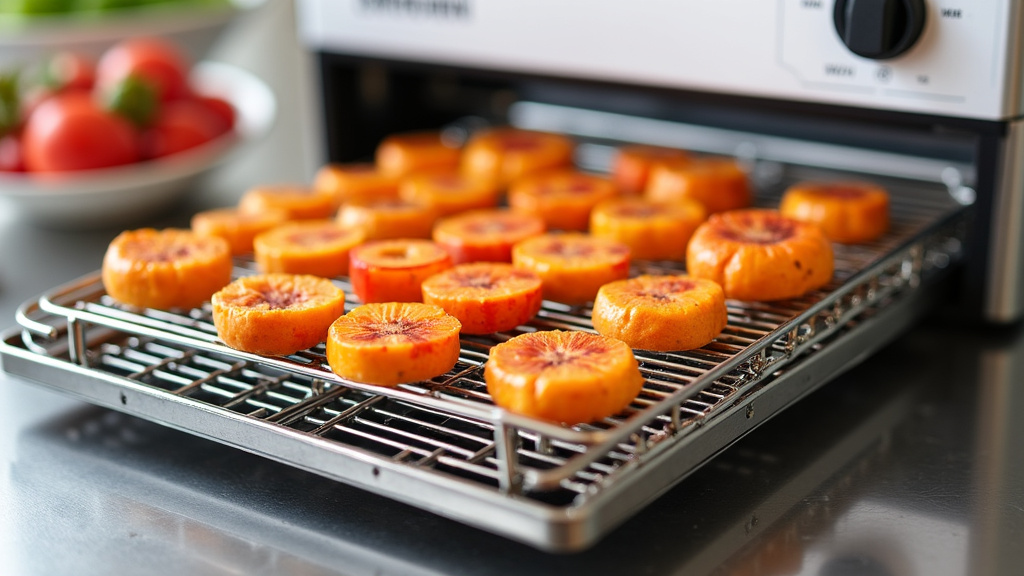
Tips for Making Your Choice
When you’re ready to buy or upgrade, keep these points in mind. Your goal is to get the best performance and safety for your money.
- Prioritize safety: If you’re concerned about chemicals, stainless steel offers more peace of mind.
- Think long-term: Stainless steel trays may cost more upfront but could save you money over time by not needing replacement.
- Check reviews: See what other users say about the tray material in specific dehydrator models.
- Consider aftermarket options: If your dehydrator has plastic trays, you might be able to buy stainless steel replacements.
Making the Smart Investment for Your Kitchen
Choosing the right dehydrator trays is about more than just holding food. It’s about ensuring the safety and quality of what you eat. While plastic trays are common and budget-friendly, the evidence suggests stainless steel trays are a more robust and safer option for most people. They offer durability and peace of mind, especially if you plan to dehydrate regularly. To make the best choice for your kitchen, learn what foods can be dehydrated.
Conclusion
When it comes to your dehydrator trays, stainless steel emerges as the superior choice for most home users. While plastic trays are a budget-friendly starter option, they can degrade over time with heat exposure, potentially impacting food safety. Stainless steel offers unmatched durability and is considered a safer food contact material, resisting warping and chemical leaching. Investing in stainless steel trays means fewer replacements down the line and greater peace of mind about the quality of your dried foods. To make the best choice for your kitchen, consider your dehydrating frequency and prioritize long-term safety and quality.
Frequently Asked Questions
Are all “food grade” plastic dehydrator trays safe for high heat?
While “food grade” indicates suitability for food contact, it doesn’t guarantee safety under the sustained high heat of a dehydrator. Research suggests some plastics may degrade or leach chemicals when repeatedly exposed to high temperatures. You should always check the manufacturer’s guidelines for specific plastic tray recommendations regarding heat exposure.
Can stainless steel trays rust or corrode?
High-quality stainless steel, often used in kitchenware, is designed to resist rust and corrosion. It’s a non-reactive metal that holds up well to moisture and heat. If you notice any discoloration, it’s usually minor and can often be cleaned off without affecting the tray’s function or safety.
What if I have very small items, like herbs, to dehydrate with stainless steel trays?
Some fine-mesh stainless steel trays might allow very small items like herbs or seeds to fall through. In these cases, you can easily use a dehydrator liner. Options include parchment paper, silicone mats, or specialized dehydrator mesh liners. This prevents loss and makes cleanup even easier.
How do I clean stainless steel dehydrator trays effectively?
Stainless steel trays are typically very easy to clean. You can usually wash them with warm, soapy water and a soft cloth or sponge. Many are also dishwasher safe, which makes cleanup quick and convenient. Avoid abrasive scrubbers that could scratch the surface.
Is it worth replacing plastic trays with stainless steel ones?
If you dehydrate frequently or are concerned about the long-term effects of plastic and heat, upgrading to stainless steel can be a worthwhile investment. Stainless steel trays are more durable and offer greater peace of mind regarding food safety, potentially saving you money on replacements over time.