What Is the Difference Between a Dehydrator and an Oven?
On this page (9 sections)
- Understanding Dehydrators vs. Ovens for Food Preservation
- How Dehydrators Work: The Gentle Art of Drying
- How Ovens Work: Designed for Cooking
- Key Differences Summarized
- When to Choose a Dehydrator
- When an Oven Might Suffice (with caveats)
- Quick Checklist: Dehydrator vs. Oven for Drying
- Conclusion
- Frequently Asked Questions
The main difference between a dehydrator and an oven is their purpose and function: a dehydrator is designed for low-heat, long-duration drying to preserve food, while an oven is primarily for cooking and baking at higher temperatures. While an oven can dehydrate at its lowest setting, a dedicated dehydrator offers more consistent results and efficiency for food preservation, using gentle airflow to remove moisture without cooking the food.
Thinking about preserving your harvest or making healthy snacks? You might be wondering if your oven can do the job of a food dehydrator. We found that while ovens can technically dry food, they are not optimized for the slow, low-heat process that dehydrators excel at. This can lead to uneven drying or accidentally cooking your food. Understanding their unique roles helps you choose the right tool for your kitchen projects, whether it’s making jerky, fruit leather, or dried herbs.
- Dehydrators use low heat and airflow to remove moisture.
- Ovens are for cooking and baking at higher temperatures.
- Dehydrators are more efficient and provide better results for food preservation.
- Ovens can dry food, but may cook or dry it unevenly.
Let’s break down exactly how these kitchen appliances differ and what that means for your food prep. Let’s break down exactly how these kitchen appliances differ and what that means for your food prep, including what foods can be dehydrated.
Understanding Dehydrators vs. Ovens for Food Preservation
You’re thinking about preserving some food, maybe from a garden harvest or just making some tasty snacks. It’s natural to wonder if your kitchen oven can do the job. We found that while ovens can dry food, they really aren’t built for the gentle, consistent process needed for preservation. A dedicated food dehydrator is designed for just that. Let’s dive into how they’re different and what that means for your kitchen projects.
How Dehydrators Work: The Gentle Art of Drying
A dehydrator’s main job is to remove moisture from food. It does this using a low, consistent temperature and a fan to circulate air. Think of it like a gentle breeze on a warm day, slowly drawing out water. This process prevents spoilage and preserves the food’s nutrients. Many food safety guidelines recommend proper drying for long-term storage (CDC). Dehydrators are optimized for this specific task, ensuring your food dries evenly without cooking.
The Dehydrator’s Temperature Range
Dehydrators typically operate between 125°F and 160°F (52°C to 71°C). This range is important. It’s warm enough to remove moisture efficiently but not so hot that it cooks the food. This low-heat approach is key to retaining vitamins and minerals. Research from sources like the National Center for Home Food Preservation highlights that lower temperatures help preserve heat-sensitive nutrients.
Airflow is Key
The built-in fan in a dehydrator is crucial. It constantly moves air across the food. This continuous airflow prevents moisture from pooling and helps the food dry evenly. Without good airflow, parts of your food might stay wet, leading to spoilage or mold. This consistent circulation is something most standard ovens struggle to replicate.
Purpose-Built Design
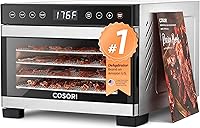
Dehydrators usually have multiple trays stacked vertically. This design allows you to dry large batches of food at once. The trays are often mesh or have holes to allow air to pass through freely. This makes them incredibly efficient for dehydrating. You can line them up and forget about them until the food is ready.
How Ovens Work: Designed for Cooking
An oven’s primary function is cooking and baking. It uses higher temperatures to heat food from the inside out, transforming raw ingredients into cooked meals. Ovens are built to get hot, often reaching several hundred degrees Fahrenheit. This is great for roasting, baking bread, or searing meat. Their heating elements are designed to produce intense heat quickly.
Oven Temperatures vs. Dehydrator Temperatures
Standard ovens typically start at around 170°F (77°C) for their lowest setting. This is already hotter than most dehydrators. While some ovens have a “warm” setting, it’s usually not low or consistent enough for effective dehydration. Cooking food at these higher temperatures can change its texture and nutrient profile significantly. It’s more like baking or roasting than drying.
Uneven Heating and Airflow in Ovens
Ovens often have hot spots. The heating element might be at the bottom or back, leading to uneven cooking or drying. While some ovens have convection fans, they are usually designed for circulating hot air for baking, not the gentle, consistent airflow needed for dehydration. This uneven heating means you might have to constantly rotate your food, which is tedious. You might find some pieces are perfectly dried while others are still damp or even burnt.
Energy Inefficiency for Drying
Using an oven for dehydration can be quite energy-intensive. Ovens are designed to heat up large spaces quickly and maintain high temperatures. Running an oven for the many hours required for dehydration uses a lot more electricity than a dedicated dehydrator. Dehydrators are built to be energy-efficient, using less power over longer periods.
Key Differences Summarized
Let’s put the main distinctions side-by-side so you can see them clearly. Understanding these points can help you decide which appliance is right for your needs.
| Feature | Dehydrator | Oven |
|---|---|---|
| Primary Function | Drying food to preserve it | Cooking and baking food |
| Temperature Range | Low (125°F – 160°F / 52°C – 71°C) | High (typically starts at 170°F / 77°C) |
| Airflow | Consistent, gentle circulation | Often uneven; designed for cooking heat |
| Efficiency for Drying | High; designed for long, low-heat use | Low; uses much more energy for drying |
| Food Results | Evenly dried, preserves nutrients | Can cook or dry unevenly; nutrient loss |
What About Using Your Oven’s Lowest Setting?
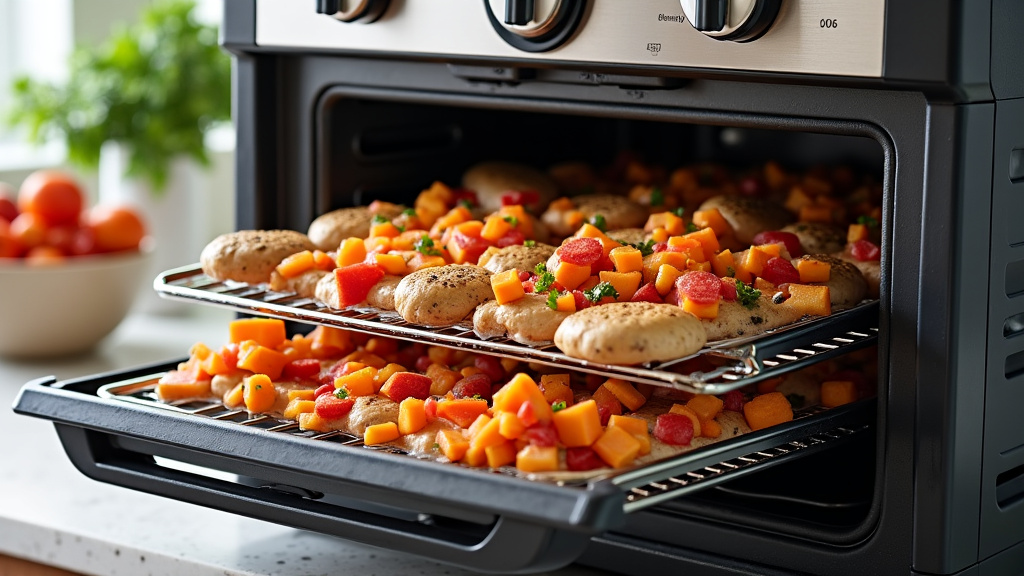
Many people try to use their oven’s lowest setting, often around 170°F (77°C). While this can dry food, it’s rarely ideal. You’ll likely need to prop the oven door open to prevent it from getting too hot and to allow moisture to escape. This can be a fire hazard, according to some home safety resources, and it’s still not as efficient as a dehydrator. You also run a higher risk of accidentally cooking or burning your food. It requires a lot of babysitting.
When to Choose a Dehydrator
If you plan on preserving fruits, vegetables, or making jerky regularly, a dehydrator is a fantastic investment. You’ll get consistently good results every time. Making fruit leather, dried herbs, or dog treats becomes much simpler. Plus, they’re designed to run for many hours without worry.
When an Oven Might Suffice (with caveats)
If you’re only dehydrating a very small amount of food once in a blue moon, and you’re prepared for the extra effort and potential for uneven results, your oven might work. Think of it as a temporary solution for a one-off project. However, if you want reliable, high-quality dried foods, especially for long-term storage, a dehydrator is the way to go.
Quick Checklist: Dehydrator vs. Oven for Drying
Here’s a quick rundown to help you remember the key differences:
- Consistency: Dehydrators offer steady, even drying. Ovens can be inconsistent.
- Temperature: Dehydrators use low heat; ovens use high heat.
- Airflow: Dehydrators have dedicated circulation; ovens do not.
- Efficiency: Dehydrators use less energy for drying tasks.
- Results: Dehydrators preserve more nutrients and quality. Ovens risk cooking or uneven drying.
- Convenience: Dehydrators are set-and-forget; ovens require constant monitoring for drying.
Conclusion
You’ve learned that while your oven can technically dry food, a dedicated dehydrator is the clear winner for preserving food. Dehydrators offer consistent, low temperatures and steady airflow, which are essential for even drying without cooking. This ensures your fruits, jerky, and herbs are perfectly preserved and retain their nutrients. If you’re serious about making your own dried snacks or preserving harvests, investing in a dehydrator will save you time and deliver better results than wrestling with your oven. Make the switch for consistent, quality dried foods every time!
Frequently Asked Questions
Can I use my oven to make beef jerky?
Yes, you can attempt to make beef jerky in your oven, but it requires careful monitoring. You’ll need to set your oven to its lowest temperature, often around 170°F, and prop the door open slightly to allow moisture to escape. Be aware that your oven might not dry the jerky as evenly or efficiently as a dehydrator, and you risk overcooking it.
Is a dehydrator more energy-efficient than an oven for drying food?
Absolutely. Dehydrators are specifically designed for low-temperature, long-duration drying and use much less energy than an oven. Ovens are built to heat large spaces quickly to high temperatures, making them very inefficient for tasks that require hours of gentle warmth.
What’s the main reason my oven isn’t good for dehydrating herbs?
The main reason is that ovens typically operate at higher temperatures, which can actually cook your herbs instead of just drying them. This high heat can destroy delicate flavors and reduce the nutritional content of your herbs. A dehydrator’s low, consistent temperature is ideal for preserving their quality.
How long does it typically take to dehydrate food in each appliance?
Dehydrating times vary greatly depending on the food, but a dehydrator can often take 4-12 hours. Using an oven for dehydrating can take a similar amount of time, but results are often less consistent, and you’ll need to check your food much more frequently due to uneven heating and potential temperature fluctuations.
What kind of results can I expect when drying food in an oven versus a dehydrator?
With a dehydrator, you can expect evenly dried, preserved food with good texture and nutrient retention. When using an oven, you might get uneven results, with some pieces being perfectly dry while others remain moist or even become brittle or burnt. The risk of accidentally cooking the food is also much higher in an oven.