Electric Apple Peeler and Corer: Which Type to Choose?
Choose an electric apple peeler and corer for frequent peeling with less hand turning; choose a mixer attachment if you already own a compatible stand mixer. For occasional slicing and coring, a manual push slicer is simpler.
On this page (9 sections)
- What does an electric apple peeler and corer do?
- Which type should you choose?
- Does an automatic tool make sense for your apple routine?
- Are stand mixer attachments worth considering?
- When is a manual apple slicer enough?
- What should you check before choosing an electric apple peeler and corer?
- Can one tool prepare apples for drying?
- More guides on this topic
- How do you choose between electric, attachment and manual?
Choose an electric apple peeler and corer for frequent peeling with less hand turning; choose a mixer attachment if you already own a compatible stand mixer. If you mainly need to core and portion apples, a manual push slicer is a simpler option.
These tools do different jobs. Some peel an apple, some core and slice it, and some attachments combine all three steps.
What does an electric apple peeler and corer do?
An electric apple peeler and corer automates some apple preparation, but the exact jobs vary by tool. Check whether a model peels only or also cores and slices.
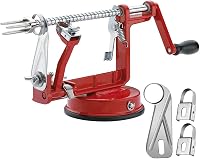
A countertop electric tool may rotate an apple against a blade to remove skin. A combined peeler, corer and slicer can prepare a continuous spiral or separate sections, depending on its design.
A stand mixer attachment uses the mixer as its power source. It can save space if you already have a compatible mixer, but fit and included functions vary.
A manual slicer is different: you center it over an apple and push it down to core and divide the fruit. It does not peel the skin.
If you want a closer look at that style, see our how to use an apple peeler corer slicer guide.
Which type should you choose?
Choose based on which step takes the most effort in your kitchen. Peeling, coring and slicing are separate tasks, so a tool that solves one may not solve the others.
| Type | Main job | Good fit when | Check before buying |
|---|---|---|---|
| Electric countertop peeler | Removes skin with powered movement | You peel apples often | Whether it also cores or slices |
| Stand mixer attachment | Uses a compatible mixer to prepare apples | You own a mixer and want an attachment | Mixer compatibility and included functions |
| Manual push slicer | Cores and divides an apple | You need quick portions without peeling | Slice count, apple size and how much force it takes |
| Separate peeler and corer | Handles steps with separate tools | You want flexibility across different fruit sizes | Storage space and cleanup for each tool |
An automatic apple peeler and corer can be convenient when you process a batch, but it may take more setup and storage space than a handheld tool. For occasional snacks, a manual slicer may cover the part you need.
If you are still comparing tool styles, our vegetable slicer guide covers the wider range of slicers and peelers used in meal prep.
Does an automatic tool make sense for your apple routine?
An automatic tool makes the most sense when you prepare several apples at a time and peeling is a repeated part of the job. For a single snack, setup and cleanup may take longer than using a basic peeler.
Consider what happens after peeling. If you need wedges for snacks, a corer slicer can finish the job; if you need rings, cubes or thin pieces for another recipe, you may still need a knife or a different slicer.
For dried apples, the cut matters. Even pieces are easier to arrange consistently, so check whether the tool makes the shape and thickness you want before counting on it for a full drying batch.
Are stand mixer attachments worth considering?
A mixer attachment can be a practical choice if you already own the compatible stand mixer and want to use it for apple prep. It can add another function without requiring a separate motorized appliance.
Compatibility is the key check. Confirm your mixer model is supported, and see whether the attachment peels, cores and slices or only handles some of those steps.
A mixer attachment is less appealing if you do not own the matching mixer or have limited counter and cabinet space. In that case, compare a standalone electric peeler with a simpler manual option.
When is a manual apple slicer enough?
A manual slicer is enough when your main goal is to remove the core and make portions with one push. It does not peel apples, and firm fruit can require force.
The Progressive PrepWorks Apple Slicer and Corer cuts apples into 16 thin slices, removes the core and includes an attached safety cover that clears slices and covers blades for storage.
The white PrepWorks version also cuts and cores an apple into 16 slices with a push. Its attached cover serves as a base to push slices and the core clear of the blades.
For larger apples, the LIIGEMI cutter has 12 blades and is intended for apples no larger than 4 in; its maker warns against very hard fruit such as green apples.
A push slicer does not replace an electric apple peeler and corer if peeling is the task you want to automate. Compare the blade layout and the apple size limits before choosing a manual cutter.
What should you check before choosing an electric apple peeler and corer?
Check the functions, fit, fruit size and cleanup before you buy. These details determine whether the tool matches your routine.
- Functions: Confirm whether it peels, cores and slices, or handles only one or two steps.
- Power source: A standalone electric tool has its own motor; a mixer attachment depends on a compatible stand mixer.
- Apple size: Look for a stated size limit, especially if you often prepare large apples.
- Cut shape: Check whether it produces slices, a spiral, or another shape that fits your recipe.
- Cleanup: See which parts need washing and whether blades or attachments can be cleaned safely.
- Storage: Measure cabinet or counter space for the full tool and any parts.
- Safety: Look for blade covers or instructions that keep fingers away from cutting edges.
If easier handling is a priority, our best apple slicer for seniors guide compares tools designed around the effort needed to cut an apple. For more powered options, see best electric apple peeler.
Can one tool prepare apples for drying?
One tool can prepare apples for drying if it makes a cut you can arrange evenly on the trays. Peeling is optional, while coring and slicing can help create ready-to-dry pieces.
A corer slicer may produce fixed wedge sizes that are thicker than you want for a particular batch. A peeler and spiral cutter may leave a continuous shape that needs separating before you place it on trays.
Check a small batch first to see whether the pieces fit your preferred drying method. Keep the slices in a single layer and follow your dehydrator's instructions for temperature and drying time.
More guides on this topic
- Best Apple Corer Slicers
- Best Heavy Duty Apple Slicers
- Best Apple Slicers for Large Apples
- Best Commercial Apple Slicers
- Best Stainless Steel Apple Slicers
- Best Apple Slicers for 16 Slices
- Best Apple Slicers for Thin Slices
How do you choose between electric, attachment and manual?
Choose an electric countertop tool if you peel apples often and want powered movement. Choose a mixer attachment if it fits a stand mixer you already own and performs the steps you need.
Choose a manual corer slicer if you mainly want quick portions and do not need peeling. If you are shopping for a combined electric apple peeler and corer, confirm the functions and apple size fit first, then compare cleanup and storage against how often you prepare a batch.
Frequently asked questions
Does an electric apple peeler also core apples?
Some electric apple peelers peel the skin but do not core or slice the fruit. Check the tool's stated functions before buying, and consider whether you want peeling, coring and slicing in one workflow or prefer separate tools.
Can a stand mixer peel and core apples?
Some stand mixer attachments are designed to peel, core and slice apples, but they only fit compatible mixer models. Check the maker's fit information and the attachment's included functions before choosing one.
Is an automatic apple peeler and corer better than a manual slicer?
An automatic tool can reduce repeated hand turning when you prepare many apples, while a manual slicer can core and divide an apple with a push. Choose based on whether peeling or portioning is the main task.
Can I use an apple peeler corer for dehydrating?
A peeler corer can prepare apples for drying, but it may leave slices thicker or less even than a dedicated slicer. Check the cut shape you need, then arrange pieces in a single layer and follow your dehydrator's guidance.