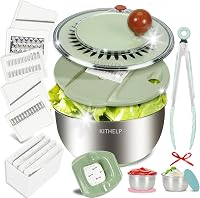
Vegetable Slicers & Peelers: Complete Buying Guide
Choose a vegetable slicer by the cuts you make most, how much food you prep, and how you want to clean and store it. Manual models suit smaller jobs and simple storage; electric machines can help with larger batches, but need more space and care.
On this page (10 sections)
- What kind of vegetable slicer fits your prep?
- Should you choose a manual or electric vegetable slicer?
- Which vegetable slicer features matter most?
- Are mandoline slicers safe to use?
- When is a chopper or slicer combo useful?
- When should you buy a peeler or fruit prep tool?
- Is a meat slicer the same as a vegetable slicer?
- How do you choose the right slicer for your kitchen?
- Explore slicers & peelers by topic
- What should you buy first?
A vegetable slicer is worth choosing by the cuts you make most, the size of your usual prep jobs, and how much cleanup and storage you can manage. A manual tool can suit small batches and limited counter space, while an electric slicer can help when you regularly process more produce.
Start by naming the jobs you want it to do. Slicing potatoes for a meal is different from dicing onions, shredding cabbage, or making julienne strips for a salad.
This guide covers slicers, choppers, graters, peelers and related prep tools. It also links to focused guides for specific styles and uses, so you can compare the right options for your kitchen.
What kind of vegetable slicer fits your prep?
Choose a slicer by the cut you need and how often you make it. A simple slicer may be easier to set up and store; a multi-function tool can reduce the number of separate gadgets if you use its extra blades.
| Style | Useful for | Check before choosing |
|---|---|---|
| Mandoline | Even slices, with some models also making julienne cuts | Hand guard, stability, blade adjustment and storage |
| Chopper with container | Dicing or chopping into a collection tray | Blade options, container size and cleaning |
| Rotary slicer or grater | Slicing or shredding food through a hand-cranked drum | Feed opening, included drum cuts and suction base |
| Electric slicer | Repeated slicing or larger prep jobs | Counter space, power needs, thickness adjustment and cleaning |
| Slicing knife | Flexible, controlled cuts without a dedicated machine | Knife handling skills, sharpening and safe storage |
A tool with more attachments can take on more jobs, but it may also require more storage and blade handling. Look at the pieces you expect to use, not just the total count.
If even slices are your priority, compare a best adjustable mandoline slicer guide for details on changing cut thickness. For a more compact option, see our best small electric vegetable slicer guide.
Which cuts should a vegetable slicer make?
Match the blade or cutting style to the food you prepare. Slice, dice, shred and julienne are different jobs, and not every slicer handles all of them well.
- Slicing makes flat pieces. Check whether thickness can be adjusted if you need both thin and thick cuts.
- Dicing makes pieces for dishes like salsa or soups. A chopper with a container can collect the pieces as you work.
- Shredding makes narrow strips for foods such as cabbage or cheese. Check whether the tool has a dedicated shredding blade or drum.
- Julienne cutting makes narrow matchstick-like strips. A specific blade can help you get a consistent shape.
- Peeling removes the outer skin and is a separate task from slicing.
If julienne vegetables are the main reason you are shopping, explore best julienne vegetable slicers. For a slicer that also shreds, compare best vegetable slicer shredder options.
Should you choose a manual or electric vegetable slicer?
Choose manual for smaller jobs and simpler storage, and consider electric when repeated prep or larger batches are part of your routine. Either style still needs a stable setup, safe food handling and cleanup you can manage.
A manual slicer doesn't need an outlet, and many designs are compact enough to store in a cupboard. You control the pace, but repeated cutting takes hand movement and attention.
Electric models can reduce repeated hand work, but they need counter space and an outlet. Check the feed opening, thickness settings and cleanup steps before deciding that the extra capacity will suit your kitchen.
A hand-cranked rotary grater is another manual option. It turns a drum to slice or shred food, so you feed ingredients into the barrel rather than moving them across a flat blade.
For a broad comparison of powered models, see our best electric vegetable slicer guide. If you need a larger machine for frequent, higher-volume prep, compare best commercial electric vegetable slicer options.
When is an electric slicer worth the space?
An electric slicer makes sense when you often prepare enough food to benefit from powered cutting. If you only slice a few vegetables at a time, a manual slicer or knife may fit your routine with less setup.
Measure the counter area and the cabinet where you plan to store the machine. Include room to load food, move parts for cleaning and reach any power switch without shifting other appliances.
The VEVOR Electric Vegetable Slicer is a larger machine with electric and manual modes, an adjustable thickness range, and two blades. It weighs 18.6 lb, so consider its size and storage needs before choosing it for a small kitchen.
If you want a smaller powered tool, use our best small electric vegetable slicer guide to compare compact options.
Which vegetable slicer features matter most?
Focus on the features that change your daily use: cut options, stability, food handling, blade changes, cleanup and storage. A long feature list matters less if the tool is awkward to set up or hard to wash.
Blade options and thickness adjustment
Check what each blade does and whether you can swap it without putting your fingers near a cutting edge. If you need uniform slices of different thicknesses, look for a clear adjustment method.
Some tools bundle slicing, julienne and shredding attachments. A chopper may include several grid sizes for dicing, while a rotary grater uses different drums for slicing and shredding.
The JANSKA Mueller is a manual multi-function chopper and mandoline slicer with two dicing blades and six interchangeable blades for slicing, julienne, grating and shredding. Its included food holder is intended to keep small produce in place while cutting.
For a bowl-style setup that collects chopped food, see our best vegetable slicer bowl guide. A bowl or container can help keep pieces together, but check its capacity against the amount you prepare.
Stability and food control
A slicer needs to stay steady as you work. Look for a broad base, non-slip feet or a suction base, and a food holder or pusher that keeps your hand away from the blade.
A guard or pusher only helps when you use it correctly. Make sure it fits the foods you prep and that you can grip it securely as the food gets smaller.
Rotary slicers guide food toward an enclosed drum, but you still need to follow the intended feed method. Keep fingers and loose clothing away from moving parts, and stop if food jams.
Cleanup and storage
Removable blades can make cleaning easier, but they also need careful handling and a safe place to dry and store. Check whether parts are dishwasher-safe or require hand washing, and follow the care instructions for the specific tool.
A container that stores blades can keep pieces together. Before buying, check that the container has room for the attachments you plan to use and that you can reach them without touching sharp edges.
If a blade becomes dull or a part goes missing, a replacement may be available for some models. Our best vegetable slicer parts guide covers replacement options to consider.
Are mandoline slicers safe to use?
A mandoline can cut food quickly, so use its hand guard and keep your fingers out of the blade path. Stability, a comfortable grip and careful cleanup are central parts of the buying decision.
Before the first use, read the tool's instructions and practice with a firm piece of food. Secure the slicer on a stable surface, set the blade before loading food, and use consistent strokes.
Stop when the remaining piece is too small to hold securely with the guard. Don't try to slice the last piece by hand against the blade; use a knife for the remainder or set it aside.
Wash and store blades in a way that protects your hands. If you use cut-resistant gloves, remember that they don't replace the slicer's guard or safe handling.
Our cut resistant gloves ANSI guide explains how glove levels are described.
For home cooks who want to pair a mandoline with a chopping function, our best mandoline slicer and chopper guide compares combo styles. You can also check best mandoline slicer accessories for add-ons designed for these tools.
When is a chopper or slicer combo useful?
A combo tool can suit you if you regularly switch between slicing, chopping and shredding. It takes less room than several separate gadgets only if you have a place to store its attachments and container.
The Dewpeton Vegetable Chopper Dicer with Container is a manual multi-function tool with two dicing blades and five interchangeable blades. It includes a 1.5 L container, a finger guard and a blade organizer.
A rotary grater can be a better fit when you mainly grate cheese or shred firm produce. The Ourokhome Rotary Cheese Grater has a hand crank and three blades for slicing, coarse shredding and fine shredding, and it works without electricity.
Some buyers prefer an electric chopper and slicer to reduce hand-cranked prep. Compare best electric food chopper and slicer options if you want a powered tool for several cutting jobs.
A vegetable chopper is useful when the main task is cutting ingredients into pieces rather than making uniform slices. Our best vegetable chopper for kitchen guide focuses on that style.
When should you buy a peeler or fruit prep tool?
Choose a peeler or fruit tool when removing skin, coring or pitting is a regular step in your prep. A slicer can cut produce, but it doesn't automatically replace those more specific tools.
A multifunctional peeler can cover a range of peeling tasks, while a simple peeler may be easier to store and use for everyday vegetables. See our best multifunctional vegetable peeler guide if you want more than one peeling function.
Apple peeling and coring tools are designed around apples, not general vegetable prep. If you often process apples for snacks or baking, compare electric apple peeler and corer styles.
A pineapple tool can combine peeling, coring and slicing for that fruit. Our best pineapple peeler corer slicer guide focuses on those combined tasks.
A cherry pitter removes pits rather than cutting broad slices. See our best cherry pitter tool guide if cherries are a regular part of your cooking or preserving.
Is a meat slicer the same as a vegetable slicer?
A meat slicer is a separate tool for slicing meat, so choose one for the food and task it is built to handle. Don't assume a vegetable slicer or grater is suitable for raw or cooked meat.
A powered meat slicer can be a larger, more involved appliance than a handheld vegetable tool. Consider the food you plan to slice, the machine's setup and cleaning needs, and where you can store it.
Use our meat slicer guide to compare the main buying considerations. If you want a hand-operated machine for home use, see best manual meat slicer for home.
Meat slicers also have care needs that don't apply to a basic mandoline. Check the machine's own instructions for cleaning and lubrication, and compare best meat slicer lubricant options made for that purpose.
For safety, use the tool's guard and pusher and keep hands clear of the blade. If you preserve foods, remember that slicing equipment and canning equipment have different jobs; our best Ball canning jar lids and rings guide covers those supplies.
How do you choose the right slicer for your kitchen?
The right vegetable slicer is the one that fits your regular cuts, batch size, space and cleanup habits. Decide on those four points before comparing brand names or counting attachments.
Use this quick checklist:
- Write down the 2 or 3 cuts you make most often.
- Decide whether your usual prep is a small side dish or a larger batch.
- Choose manual, hand-cranked or electric operation based on that routine.
- Check the blade guard, food holder, stability and feed opening.
- Confirm how the tool is cleaned and where every part will be stored.
- Compare the tool's size with your available counter and cabinet space.
Pick a mandoline if even slices and a compact manual tool matter most. Pick a chopper-container combo if you dice often, a rotary grater if you mainly shred or slice suitable foods through a drum, and an electric slicer if larger repeated batches justify its space.
For an everyday multi-cut manual tool, the JANSKA Mueller combines dicing and several blade styles. For a hand-cranked grater, the Ourokhome offers three drum cuts; for a chopper with a collection tray, the Dewpeton includes multiple blades and a 1.5 L container; and for powered slicing, the VEVOR has electric and manual modes with adjustable thickness.
Explore slicers & peelers by topic
- Best Vegetable Slicing Knives
What should you buy first?
Start with the tool that solves your most frequent prep job. If you mostly need even slices, compare mandolines; if you mostly dice, compare choppers; if you process larger batches, consider an electric machine and check whether its footprint fits.
Add a peeler, fruit corer or meat slicer only when that separate task comes up often enough to justify another tool. A focused tool that is easy to use, clean and store can be more useful than a crowded drawer of attachments.
Frequently asked questions
What should I look for in a vegetable slicer?
Start with the cuts you make most, such as even slices, dice, julienne strips or shredded vegetables. Then compare manual or electric operation, blade changes, feed opening, grip and stability, cleanup, and storage.
A slicer with many blades helps only if you have room to store them and will use those cuts.
Is a mandoline or an electric vegetable slicer better?
A mandoline suits smaller batches and buyers who want a compact manual tool with adjustable cuts. An electric slicer can reduce repeated hand movement for larger batches, but it takes more counter and storage space and needs a power source.
Choose based on your routine, not the number of features.
How do I use a mandoline slicer safely?
Set the slicer on a stable surface, choose the cut before loading food, and use its hand guard or food holder. Keep fingers away from the blade path, use steady strokes, and stop before the remaining piece gets too small to hold securely.
Follow the maker's cleaning and storage instructions.
Can one slicer handle vegetables and fruit?
Many slicers can handle both, but the food's size, firmness and shape affect how easily it feeds and what cut you get. Check the tool's intended uses and opening size, and cut large produce into manageable pieces when appropriate.
Don't assume a vegetable blade is suitable for meat.
Do I need a vegetable peeler if I own a slicer?
A slicer and a peeler do different jobs. A slicer cuts food into pieces, while a peeler removes a thin outer layer.
If you regularly prepare apples, potatoes or other produce that you peel, a separate peeler may be easier to control and store than a multipurpose slicer attachment.