Food Dehydrator vs Freeze Dryer: Which Should You Choose? (October 2026)
Choose a food dehydrator for dried snacks and a freeze dryer for freeze-dried food. They preserve food in different ways, so your preferred texture, batch plans and budget range should guide the choice.
On this page (6 sections)
Choose a food dehydrator for dried snacks and a freeze dryer for freeze-dried food. The food dehydrator vs freeze dryer choice comes down to the kind of preserved food you want and how often you plan to make it.
A dehydrator circulates warm air to remove moisture. A freeze dryer freezes food, then uses a vacuum process to remove ice.
Those different processes affect texture, workflow and the appliance you need.
If you want dried fruit, herbs or jerky, start with a dehydrator. If you specifically want freeze-dried food, a dehydrator cannot do that job.


Food dehydrator vs freeze dryer: how do they work?
A dehydrator dries food with warm air; a freeze dryer removes frozen moisture under vacuum. They are distinct appliances, not two names for the same machine.
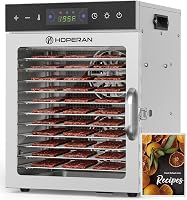
A typical home dehydrator has trays and temperature controls. If you're also comparing countertop appliances, read food dehydrator vs air fryer.
You arrange prepared food on the trays, set the heat and timer, and let air move around the pieces as they dry.
Freeze drying takes a different path. Food freezes first, then a vacuum system helps remove ice while the food remains frozen.
The VEVOR machine combines a compressor, vacuum pump, cold trap system and evaporator for that process.
The steps matter because food treated by one method won't have the same texture as food treated by the other. Think first about what you want to eat, not which appliance sounds more advanced.
Is a food dehydrator a freeze dryer?
No, a food dehydrator is not a freeze dryer. A dehydrator's fan and heat do not create the freezing and vacuum conditions used for freeze drying.
A dehydrator can make fruit leathery or crisp, depending on the ingredient and drying process. Freeze-dried food has a different texture and requires a machine designed for that method.
Which appliance fits the food you want to make?
Choose by the result you want on your plate: dried foods point to a dehydrator, while freeze-dried foods require a freeze dryer. The ingredient alone doesn't determine the right machine.
A dehydrator works for foods such as fruit, vegetables, herbs and jerky. A freeze dryer can process foods such as fruit, vegetables, candy, pet treats, fruit tea and coffee ingredients.
If you're still comparing dehydrator styles and features, our guide on what to look for in a food dehydrator explains the details that shape a good fit. For an overview of electric options, see best food dehydrators for home use.
What will dried fruit be like?
A dehydrator is the direct choice for chewy or crisp dried fruit. Slice fruit evenly and follow a reliable recipe for the ingredient and texture you want.
Freeze-dried fruit uses a different process and produces a different result. Choose it when that texture is your goal, rather than expecting a freeze dryer to make ordinary dried fruit in the same way.
Which machine suits herbs and vegetables?
A dehydrator is usually the more direct fit for home-dried herbs and vegetables. Its tray layout and adjustable heat give you a straightforward way to dry small pieces in batches.
A freeze dryer makes sense when you want those ingredients freeze-dried. The extra process is useful only if the final texture and preservation method match your plan.
How much food can each machine process?
Compare batch size and tray space before buying. A larger capacity can save repeated runs, but only if you regularly prepare enough food to fill it.
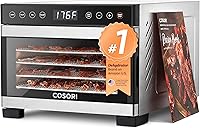
The Cosori dehydrator with 6 stainless steel trays provides 6.5 ft² of drying space. Its 95–165 °F temperature range and timer up to 48 hours give you control over the drying setup.
The VEVOR freeze dryer has 4 trays and a stated batch capacity of 11–15.4 lb. That capacity refers to its freeze-drying batches, so don't compare it directly with a dehydrator's tray area as if both measures meant the same thing.
For a smaller electric dehydrator, the Cosori round model comes with 5 BPA-free trays and can expand to 7. Its adjustable tray heights can make room for thicker pieces.
Our guide to how many trays come with a food dehydrator can help you decide how much rack space you'll use. For cabinet fit and batch planning, see what size food dehydrator you need.
How much room and setup do they need?
A dehydrator generally asks less of your kitchen setup than a freeze dryer. Check the actual machine dimensions, weight and place you plan to use it before choosing.
The Cosori 6-tray dehydrator measures 17.8 x 13.4 x 12.4 inches and weighs 18.1 lb. The 5-tray Cosori measures 12.2 x 12.2 x 8.98 inches and weighs 4.9 lb.
The VEVOR freeze dryer weighs 217.2 lb, so plan for a stable place and a clear route to move it. Its batch system also involves a vacuum pump and a freezing stage, so it is a more involved appliance to operate.
A countertop dehydrator may be a better fit if you have limited room or only make occasional batches. A freeze dryer calls for a dedicated space and enough planned use to justify its size.
Is a non-electric dehydrator an option?
A non-electric dehydrator can be an option when you want to dry food without a powered appliance. It doesn't replace a freeze dryer, and its results depend on the drying setup and conditions.
See our guide to best non electric food dehydrators if you want to compare that approach. For basic electric models, our article on whether cheap food dehydrators work covers what to weigh before buying.
Which one makes more sense for your routine?
Choose a dehydrator for frequent, simple drying; choose a freeze dryer when you have a clear reason to make freeze-dried food. The appliance that matches your routine is more useful than the one with the longest feature list.
A dehydrator fits small batches and familiar kitchen jobs. You can dry a tray of herbs or prepare fruit snacks without taking on a freeze-drying workflow.
A freeze dryer fits planned batch processing. The VEVOR model offers 10 preset recipes and a 11–15.4 lb batch capacity, but its 217.2 lb weight makes it a substantial machine to place and move.
Think about how often you will use it and where finished food will go. If you can't name the foods you'll prepare regularly, start with the simpler appliance that meets your current needs.
Which appliance should you choose?
Pick a food dehydrator if you want dried fruit, herbs, vegetables or jerky with a compact appliance. Pick a freeze dryer if you specifically want freeze-dried food and can plan around larger batches and a heavy machine.
The 6-tray Cosori offers more tray area for larger drying runs, while the 5-tray Cosori is a smaller option with expandable capacity. The VEVOR is for a different task: freeze-drying batches rather than warm-air drying snacks.
Compare your intended foods, batch size and available space. If the result you want is ordinary dried food, choose a dehydrator; if it's freeze-dried food, choose a freeze dryer.
Frequently asked questions
Is a food dehydrator a freeze dryer?
No. A food dehydrator uses warm air to remove moisture, while a freeze dryer freezes food and removes ice under vacuum.
They produce different results and require different equipment, so a dehydrator cannot substitute for a freeze dryer when you specifically want freeze-dried food.
Which is better for fruit, a dehydrator or freeze dryer?
A dehydrator is a practical choice for chewy dried fruit, while a freeze dryer suits people who want freeze-dried pieces with a different texture. Consider the way you plan to eat or store the fruit, then compare the appliance's batch size and process.
Can you use a dehydrator for long-term food storage?
Dehydrating removes moisture, but storage life depends on the food, how thoroughly it dries, packaging and storage conditions. Follow a tested food preservation recipe and guidance for the specific ingredient; don't assume dehydrated food keeps as long as freeze-dried food.
Is a freeze dryer worth it for home use?
A freeze dryer may suit a home that wants freeze-dried food often and can manage larger batch processing. If you mainly want fruit, herbs or other dried snacks, a dehydrator is a simpler match.
Compare actual use, space and batch needs before choosing.